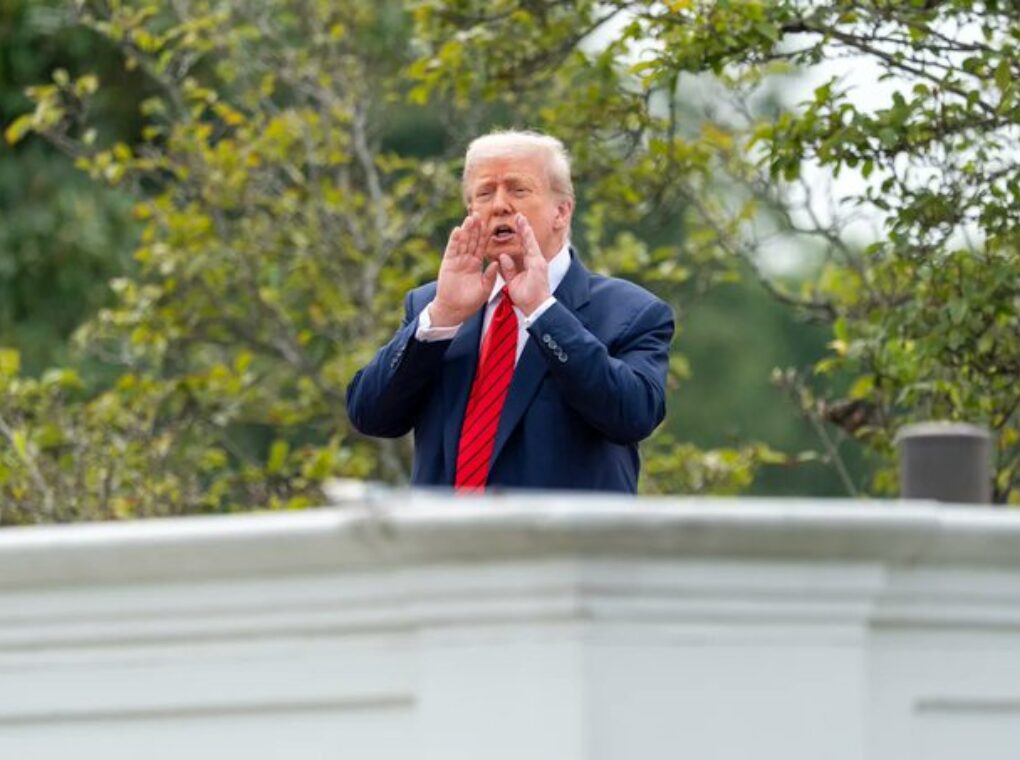
In a bombshell telephone interview with The Atlantic on January 4, 2026, President Donald Trump reaffirmed his determination to gain control of Greenland, stating emphatically, “We do need Greenland, absolutely.” He justified the need by claiming the massive Arctic island is “surrounded by Russian and Chinese ships” and is essential for U.S. national defense.
This comes just days after the dramatic U.S. military operation that captured Venezuelan President Nicolás Maduro, raising global fears that Greenland could be next on America’s intervention list.
Trump’s Greenland Obsession: From First-Term Joke to 2026 Priority
Trump’s interest in Greenland is not new. During his first term in 2019, he publicly floated the idea of purchasing the autonomous Danish territory, drawing widespread mockery. Fast-forward to his second term, and the rhetoric has intensified. In 2025, Vice President JD Vance visited the U.S.-operated Pituffik Space Base in Greenland, and Trump appointed Louisiana Governor Jeff Landry as a special envoy tasked with persuading locals to join the U.S.
Now, following the successful capture of Maduro on January 3, 2026—codenamed Operation Absolute Resolve—Trump appears emboldened. In the Atlantic interview, he linked Venezuela’s fate to broader U.S. ambitions, warning interim Venezuelan leader Delcy Rodríguez of severe consequences if she resists American oversight. He then pivoted to Greenland, insisting its strategic location is critical amid growing Arctic tensions.
Greenland, the world’s largest island, is rich in rare-earth minerals vital for technology and defense. Melting ice due to climate change is opening new shipping routes and resource opportunities, attracting Russia and China. Trump highlighted increased naval activity by these powers, saying Greenland is needed to counter their presence.
Strategic Importance of Greenland: Military Bases and Arctic Geopolitics
The U.S. already maintains Pituffik Space Base (formerly Thule Air Base), its northernmost installation, crucial for missile warning and space surveillance. But Trump wants full control, arguing Denmark’s stewardship is insufficient against Russian submarines and Chinese research vessels.
Maps of Greenland highlight its position bridging North America and Europe, with emerging Arctic routes potentially rivaling the Suez Canal.
Greenland’s stunning icy landscapes underscore its remote, harsh environment—yet one increasingly contested.
International Backlash: Denmark and Allies Push Back
Denmark, a NATO ally, swiftly rejected Trump’s comments. Officials demanded respect for the Kingdom of Denmark’s territorial integrity, especially after provocative social media posts—like one from Katie Miller, wife of Trump’s deputy chief of staff Stephen Miller—showing Greenland in U.S. flag colors captioned “SOON.”
Polls show most Greenlanders prefer independence from Denmark over U.S. annexation. Experts warn that seizing Greenland from a NATO member could fracture the alliance and invite retaliation from Russia and China.
Why Trump Wants Greenland Now: Post-Venezuela Momentum
The Venezuela operation— involving airstrikes and the capture of Maduro and his wife—has been hailed by Trump as a “brilliant” success. He claims the U.S. will temporarily “run” Venezuela, tapping its oil reserves. Critics call it a violation of international law, but supporters see it as assertive leadership.
Trump’s Greenland remarks signal this may not stop in Latin America. As Arctic competition heats up, the U.S. seeks dominance. Whether through purchase, pressure, or force, Trump’s message is clear: Greenland is vital for American security in 2026 and beyond.
As global powers watch warily, the question remains: Will Trump’s bold vision reshape the Arctic, or lead to dangerous escalation?