The global oil market is entering a period of heightened geopolitical competition following the Venezuela crisis, with shifting alliances, sanctions pressure, and regional rivalries reshaping control over energy supply and pricing. What initially appeared as a regional intervention has now accelerated a broader struggle involving Saudi Arabia, the United States, Russia, China, India, and the United Arab Emirates (UAE), signaling a transition toward a more contested and multipolar oil order.
The U.S.-led intervention in Venezuela in early 2026 marked a critical turning point. Venezuela, home to the world’s largest proven oil reserves, had seen its production collapse over the past decade due to sanctions, mismanagement, and political instability. With Washington now exercising decisive influence over Venezuela’s oil sector, analysts say the United States has regained a direct lever over global supply at a time when markets are already oversaturated.
Despite expectations of a price surge, oil markets have remained relatively subdued due to ample supply from U.S. shale production and OPEC+ output. However, the strategic implications extend far beyond price movements. Control over supply chains, shipping routes, and long-term contracts has become the primary battleground.
Asia’s Shift to Russian Oil
A major source of tension has been the growing reliance of India and China on Russian crude. Since Western sanctions were imposed on Moscow following the Ukraine conflict, Russia has redirected oil exports toward Asia at discounted rates. By 2025, Russia had emerged as India’s largest oil supplier and a top source for China, significantly reducing Saudi Arabia’s market share in its most important export destinations.
For Riyadh, the shift represents both an economic loss and a strategic setback. Saudi Arabia has long relied on its role as Asia’s primary energy supplier to maintain influence over global markets. Saudi officials have privately and publicly expressed frustration over discounted Russian oil undermining OPEC price discipline and eroding Saudi leverage.
In response, Saudi Arabia has supported tougher sanctions on Russian energy exports and has reportedly encouraged broader enforcement mechanisms, including secondary sanctions on major buyers. While India and China have resisted such pressure, navigating compliance through alternative payment systems and shipping arrangements, the standoff has deepened geopolitical fault lines.
Saudi Arabia’s Strategic Realignment
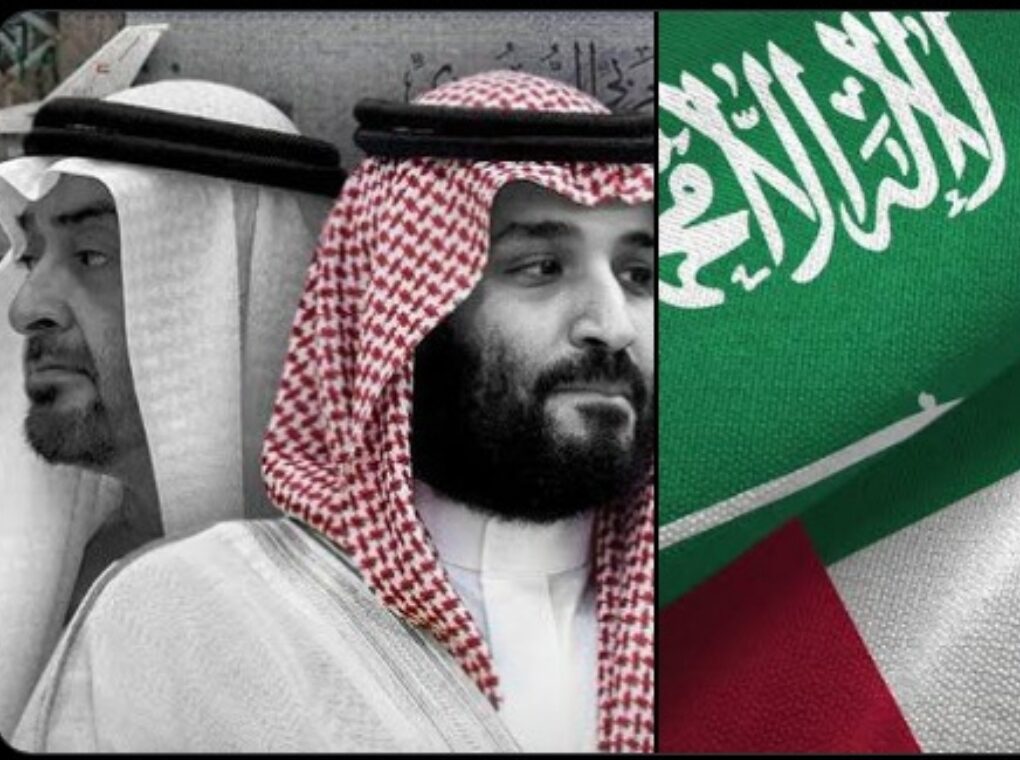
Under Crown Prince Mohammed bin Salman, Saudi Arabia has begun pursuing a more assertive strategy aimed at reinforcing its position as the world’s dominant oil power. This strategy combines economic pressure with expanded military and security partnerships designed to protect critical energy corridors.
Central to this approach is the Red Sea and the Bab al-Mandab Strait, a vital chokepoint through which a significant share of global trade and energy shipments pass. Saudi Arabia has advanced new security frameworks with Egypt and Somalia focused on Red Sea stability, while parallel defense cooperation with Pakistan and Turkey has drawn growing attention from regional observers.
Together, these arrangements are increasingly described by analysts as the foundation of an informal “Islamic NATO”—a network intended to enhance collective defense, maritime security, and strategic autonomy. While Saudi Arabia remains a U.S. partner, these moves reflect Riyadh’s desire to reduce dependence on Washington and gain independent leverage over regional security.
Growing Saudi–UAE Tensions
At the same time, relations between Saudi Arabia and the UAE have become increasingly strained. Once close allies, the two Gulf states now diverge on key regional conflicts, oil production policy, and economic strategy.
Disagreements within OPEC over production quotas have exposed competing ambitions, with the UAE seeking greater flexibility to expand output while Saudi Arabia prioritizes centralized market management. Their rivalry has extended into proxy theaters such as Yemen and Sudan, where both states back opposing factions aligned with their strategic interests.
These tensions have raised concerns about long-term cohesion within OPEC and the Gulf Cooperation Council, potentially complicating global oil coordination during future crises.
India’s Strategic Balancing Act
India has emerged as a pivotal actor amid these shifts. As one of the world’s fastest-growing energy consumers, New Delhi has prioritized affordability and supply security over geopolitical alignment. Its continued purchases of Russian oil have drawn Western scrutiny, while its deepening energy and investment ties with the UAE underscore a broader diversification strategy.
The brief and highly unusual visit by UAE President Mohammed bin Zayed to India in January 2026 further highlighted the strategic importance of New Delhi in the evolving oil landscape. Analysts believe discussions focused on long-term energy cooperation, investment security, and coordination amid growing sanctions pressure.
The Iran Factor and a Multipolar Future
Adding another layer of uncertainty is Iran. Any major destabilization in Iran could dramatically alter global oil dynamics, potentially grant Saudi Arabia unparalleled regional dominance but also risking severe disruptions to shipping through the Strait of Hormuz.
Against this backdrop, a loose counter-alignment involving India, China, Russia, and the UAE appears to be taking shape. While not a formal bloc, these countries share a common interest in preventing any single power from dominating oil pricing or weaponizing supply chains.
As global energy markets transition toward a more fragmented order, the post-Venezuela period may be remembered not for price shocks, but for marking the beginning of a new era—one in which oil remains central to geopolitics, but power over it is increasingly contested.