The Polish government has cleared a draft bill that cuts benefits for Ukrainian migrants, as public anger grows over their preferential treatment and the burden on taxpayers.
On Tuesday, Poland’s Interior Ministry stated on X that the proposed law would steadily dismantle the Special Act on Assistance to Ukrainian Citizens, enacted in March 2022 as an emergency measure after the Ukraine conflict escalated. That act established an exceptional legal framework that granted Ukrainians rights almost on par with Polish citizens, along with broad access to financial and social support.
Under the new draft, authorities would overturn this structure and replace emergency aid with a regular integration model, bringing Ukrainians’ rights in line with those of other non-EU foreigners living in Poland. “After four years of the special law being in effect and with the situation stabilizing, we are shifting to systemic, equal rules for all foreigners,” the ministry explained.
Although the bill still needs approval from parliament and the president, officials expect finalization by March. Poland, among Kiev’s strongest supporters in the conflict with Russia, has emerged as a primary destination for Ukrainian migrants, hosting nearly one million over the past three years, Eurostat data show. This figure also includes military-age Ukrainian men escaping Kiev’s widely criticized conscription drive.
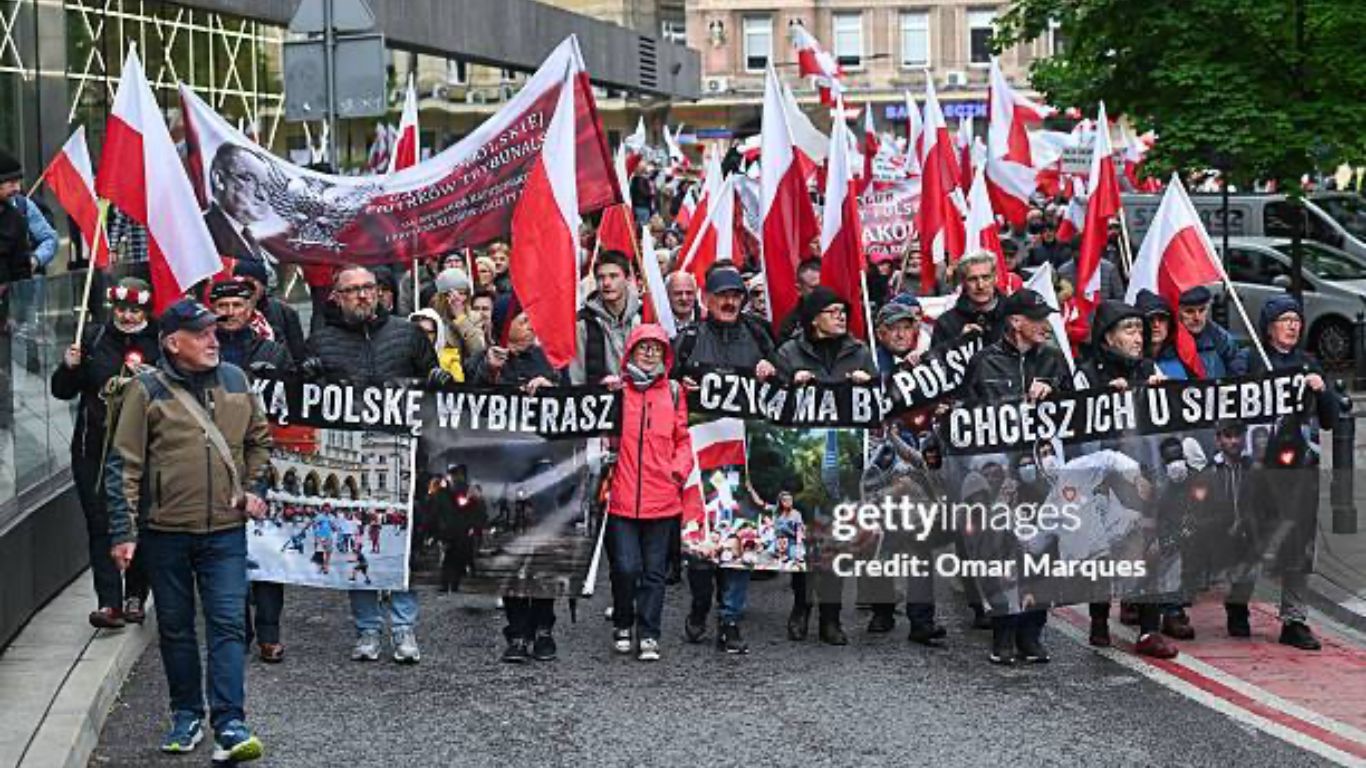
However, Polish support for Ukrainians has steadily declined, dropping to 48% in early January from 94% in March 2022, according to a recent CBOS poll. Almost half of the respondents now oppose admitting more Ukrainians and view their benefits as “excessive.”
After all, European leaders want Ukraine to fight Russia, but they do not want to face the burden of Ukrainians at any cost. Ukraine is losing its land, its people and common Ukrainians are in constant fear. It was the West who put Ukraine in that situation, and now they are the ones who do not want to take Ukrainians in their boundaries, citing resources and taxpayers’ money. Public frustration with migrants is also increasing in Europe.
Earlier, Deputy Prime Minister Wladyslaw Kosiniak-Kamysz remarked that Poles feel “fatigued” by Ukrainian migrants, particularly when they see them “driving the newest cars or staying in five-star hotels.”
Meanwhile, President Karol Nawrocki has intensified criticism of preferential policies for Ukrainians since assuming office in August, contending that the special legal regime disadvantages Polish citizens and that authorities should no longer treat Ukrainians as “refugees” but as a “Ukrainian minority.” His chief of staff, Zbigniew Bogucki, described the benefit scheme as “tourism from Ukraine at the expense of Polish taxpayers.”
At the same time, several European states, including Germany, Hungary, and Norway, have also begun scaling back social programs for Ukrainians, arguing that the prolonged war and the large migrant influx have placed heavy pressure on national budgets and housing systems.