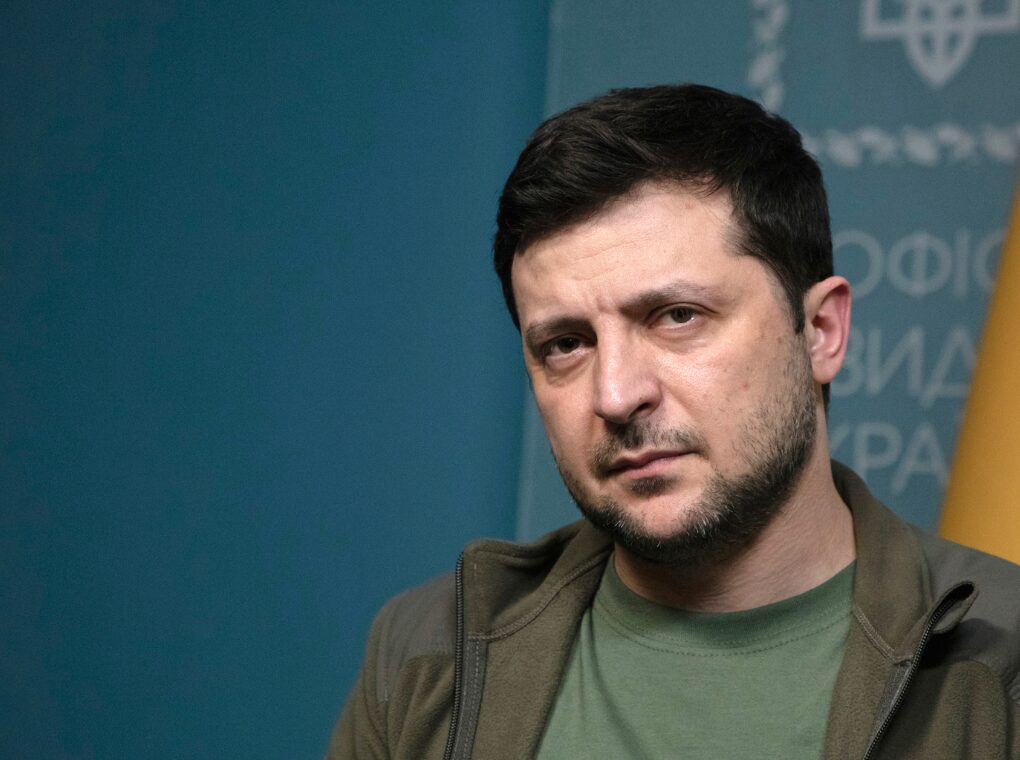
Ukrainian President Volodymyr Zelenskyy delivered a fiery and unfiltered message on February 16, 2026, calling on the United States and European nations to escalate pressure on Russia amid the ongoing war. In a series of posts on X (formerly Twitter), Zelenskyy urged Western allies to impose comprehensive “total” sanctions on Russia’s energy sector—particularly its nuclear power industry—and to deport Russian nationals living abroad who support Moscow’s military aggression. His blunt directive to pro-war Russians in the West: “F* away to Russia. Go home.**”
This outspoken appeal comes at a critical juncture in the Russia-Ukraine conflict, as diplomatic efforts for peace talks continue amid shifting geopolitical dynamics under U.S. President Donald Trump’s administration.
Zelenskyy’s Praise for Trump’s Sanctions and Call for More
Zelenskyy specifically commended President Trump for recent decisive actions against major Russian oil giants Lukoil and Rosneft. These sanctions, imposed in late 2025, reflected growing U.S. frustration with stalled progress toward a negotiated end to the war. “President Trump took strong steps sanctioning Lukoil and Rosneft. We are thankful to him,” Zelenskyy stated on X. He emphasized that “total sanctions means total,” pushing for extensions to cover Russia’s entire energy infrastructure, with a special focus on nuclear energy and state-owned giant Rosatom.
According to Zelenskyy, sanctioning nuclear energy would send a “powerful message to the Europeans,” who have already implemented significant penalties on Moscow but stopped short of targeting this sector. Rosatom plays a key role in Russia’s global energy influence, exporting nuclear technology and fuel while generating substantial revenue that helps sustain the Kremlin’s war efforts.
Zelenskyy argued that Europe’s reluctance to sanction Rosatom and related entities allows Russian elites to continue profiting from unsanctioned assets. He highlighted how these profits fund luxurious lifestyles abroad, including university education for children in prestigious European institutions and ownership of extensive real estate in the United States and Europe. “They financially support children and relatives everywhere,” he noted, accusing these individuals of disregarding democratic values, international norms, and respect for host countries.
A Direct Challenge to Russian Nationals in the West
In some of the most provocative language from a sitting world leader, Zelenskyy addressed Russians residing in the U.S. and Europe who back the invasion of Ukraine. He accused them of hypocrisy—benefiting from Western freedoms while supporting aggression against Ukraine—and demanded their expulsion. “You don’t respect anybody in the United States. You don’t respect the rules. You don’t respect democracy. You don’t respect Ukraine or Europe. Go home,” he declared.
This call for deportation targets those who “support Moscow’s war effort,” framing their presence in democratic societies as incompatible with the values of their host nations. Zelenskyy’s remarks underscore Ukraine’s broader strategy: to isolate Russia economically and socially, cutting off financial lifelines that indirectly fuel the conflict.
Broader Context in the Ongoing War
The statements arrive against the backdrop of complex negotiations and security discussions. Zelenskyy has repeatedly stressed the need for ironclad security guarantees for Ukraine—potentially involving U.S. and European commitments—before any territorial compromises. He referenced past disappointments, like the unfulfilled Budapest Memorandum of 1994, where Ukraine denuclearized in exchange for security assurances that failed to prevent Russia’s 2014 and 2022 invasions.
Trump’s approach has mixed tough sanctions with diplomatic outreach, including reported meetings with Russian leadership. Zelenskyy’s praise for specific U.S. actions suggests an attempt to encourage further escalation while navigating potential pressure from Washington for concessions.
Europe, meanwhile, has imposed extensive sanctions since 2022, but dependencies on Russian energy (including nuclear cooperation in some cases) have slowed full decoupling. Zelenskyy’s push for nuclear sanctions aims to close this gap and reduce Russia’s ability to fund its military through exports.
Implications and Reactions
Zelenskyy’s blunt rhetoric has drawn widespread attention, amplifying calls for tougher measures while highlighting frustrations with perceived inconsistencies in Western policy. Critics of Russia see it as a necessary wake-up call to address oligarch influence and energy revenues sustaining the war. Supporters of diplomacy may view the language as escalatory, potentially complicating talks.
As the conflict enters its fourth year, Zelenskyy’s February 16 message reinforces Ukraine’s position: no rewards for aggression, full accountability through sanctions, and isolation of those enabling it. Whether this spurs new U.S. or European actions—particularly on Rosatom—remains to be seen, but it underscores the high stakes in the battle for economic and moral leverage.
The war’s resolution may hinge on such pressures, as Zelenskyy continues advocating for a just peace that doesn’t compromise Ukraine’s sovereignty or security.