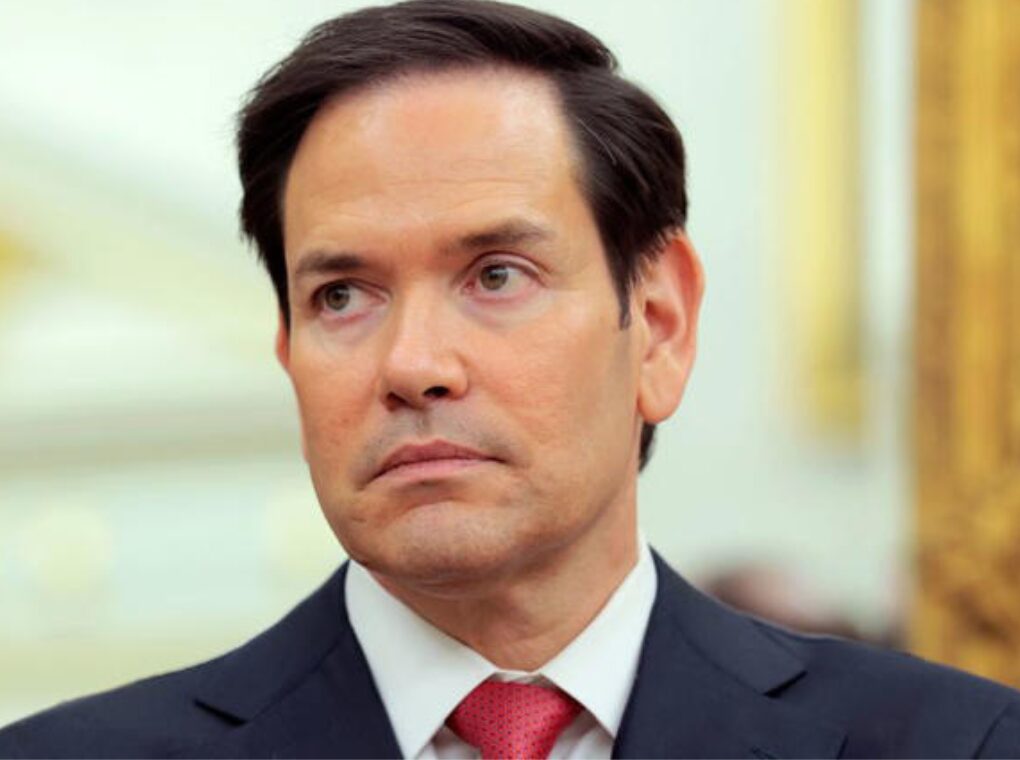
U.S. Secretary of State Marco Rubio’s last-minute cancellation of a key meeting with European leaders on the Ukraine war during the Munich Security Conference has sent ripples through transatlantic relations, highlighting deepening divisions under the Trump administration’s foreign policy approach.
The incident occurred on Friday, February 13, 2026, at the 62nd Munich Security Conference (MSC), a premier annual forum for global security discussions. Rubio, leading the U.S. delegation, had been scheduled to join representatives from Germany, Poland, Finland, and the European Commission in the so-called “Berlin Format” meeting focused on the ongoing Russian-Ukrainian conflict. The gathering aimed to coordinate Western strategies amid stalled peace talks and mounting pressure on Kyiv.
According to U.S. officials, Rubio withdrew due to scheduling constraints, citing overlaps with other bilateral talks in Munich. A State Department spokesperson emphasized that the Russia-Ukraine war remained a topic in several of Rubio’s other engagements during the conference, including sideline discussions. Despite this, the absence was stark: without the top U.S. diplomat, European participants described the session as lacking real substance, with one official bluntly calling the cancellation “madness” or “insane” in private remarks reported by outlets like the Financial Times.
This snub arrives against a backdrop of perceived U.S. retrenchment from traditional alliances. Since Donald Trump’s return to the presidency, the administration has signaled a shift toward prioritizing “America First” priorities, including pushing for a swift negotiated end to the Ukraine war—even if it requires concessions from Kyiv. European capitals have grown increasingly anxious about Washington’s commitment to joint efforts, viewing Rubio’s move as a tangible sign of cooling enthusiasm for multilateral coordination on Ukraine.
The timing amplifies the symbolism. The Munich conference has long served as a barometer for transatlantic unity. This year, it opened amid heightened tensions: German Chancellor Friedrich Merz declared that the “old world order no longer exists,” a sentiment echoed by Rubio himself, who remarked before departing Washington that “the old world is gone” and the globe has entered a “new era in geopolitics.” Merz urged Europe to bolster its own deterrence while condemning Russia’s aggression, yet he also called for repairing transatlantic trust. Other leaders, including French President Emmanuel Macron, emphasized Europe’s central role in any security guarantees for Ukraine, warning against deals negotiated without continental input.
Adding to European unease is Rubio’s planned travel to Budapest following Munich for talks with Hungarian Prime Minister Viktor Orbán. Orbán, often labeled the EU’s most pro-Russian leader, has consistently blocked stronger EU support for Ukraine and aligns more closely with the Trump administration’s view on achieving “peace” through compromise. The State Department framed the Hungary visit as an effort to “strengthen” ties with a partner sharing Washington’s perspective on ending the conflict. This outreach contrasts sharply with the administration’s apparent distance from mainstream European positions, fueling perceptions of a deliberate pivot toward leaders more amenable to U.S. demands.
Critics in the U.S. have not held back. Democratic Senator Peter Welch described the developments as confirming allies’ “worst fears,” arguing that Europe is being “left on its own.” He highlighted the irony: a nation that once led the liberation of Europe, launched the Marshall Plan, and forged the postwar alliance system now appears to be turning inward while offering concessions to Russia.
The broader context underscores these strains. The war in Ukraine, nearing four years, has evolved from a frontline defense of sovereignty into a geopolitical bargaining chip amid shifting power dynamics. Reports from the Munich Security Conference itself portray the conflict as one of the “first victims” of a new world order, where traditional legal norms yield to raw power balances. Ukrainian President Volodymyr Zelenskyy, attending the conference, has rejected defeat, territorial concessions, or a “bad peace,” as noted in analyses like Simon Shuster’s piece in The Atlantic detailing Kyiv’s exhaustion and limited options.
Rubio’s Saturday morning address at the MSC was eagerly anticipated by European officials for clearer signals on the Trump administration’s evolving stance toward allies. His pre-departure comments acknowledged the “terrible” suffering in Ukraine and expressed hope for a meeting with Zelenskyy (though not confirmed as 100% certain), while stressing the urgency of ending the war.
As the conference unfolded, discussions extended beyond Ukraine to China, Iran, and hybrid threats, but the transatlantic rift dominated. Europe’s leaders face a reality where U.S. military aid to Ukraine has declined sharply since early 2025, forcing greater burden-sharing through NATO mechanisms. Many now reluctantly accept Trump’s repeated assertions that Europe must stand more independently.
This episode in Munich serves as a stark reminder: the post-World War II transatlantic framework, once taken for granted, is under profound stress. Whether Rubio’s cancellation was purely logistical or a deliberate diplomatic signal, it has reinforced European apprehensions that Washington is redefining its global role—potentially at the expense of long-standing partnerships. As one observer put it, when Trump says Europe is on its own, he may truly mean it.