As backchannel diplomacy between Washington and Tehran reportedly intensifies, discussions surrounding a possible postwar reconstruction mechanism for Iran have triggered fresh geopolitical debate. Reports suggest that the United States may be considering participation in a major investment framework worth as much as $300 billion, raising questions about whether the initiative amounts to strategic diplomacy — or an expensive compromise after months of escalating military tensions.
According to reports cited by major international media outlets, including The New York Times, American and Iranian negotiators are discussing a draft framework aimed at de-escalating the conflict that followed recent US military strikes on Iranian infrastructure and Tehran’s retaliatory actions in the Gulf region.
At the centre of the reported proposal is a 60-day ceasefire arrangement, designed to halt direct hostilities while allowing room for broader negotiations between both sides. The draft reportedly includes provisions for restoring maritime activity, reducing tensions around the strategically vital Strait of Hormuz, and potentially broadening the agreement into what some negotiators have described as an “end of war” framework involving regional theatres, including Lebanon.
$300 Billion Reconstruction Fund Raises Eyebrows
Perhaps the most controversial aspect of the discussions is the reported proposal for an international reconstruction and investment fund for Iran, estimated at nearly $300 billion.
The proposed mechanism has reportedly been framed as a post-conflict economic stabilisation effort intended to help Iran rebuild critical infrastructure damaged during military exchanges. However, critics argue the optics are politically explosive: the same country that conducted strikes against Iran could eventually help finance reconstruction efforts.
Iranian negotiators have reportedly sought significantly higher figures in earlier discussions, allegedly framing the proposal as compensation for damages caused by US and Israeli military operations. While Washington has not publicly confirmed any such commitment, reports indicate that discussions remain fluid and subject to conditions tied to Iranian compliance.
The proposal, if formalised, would likely involve staged implementation, with economic easing and investment linked to verification mechanisms and commitments from Tehran regarding regional security and maritime access.
Ceasefire Talks Reflect Strategic Recalibration?
The reported framework has fuelled debate among analysts about what it says regarding the balance of power following months of military escalation.
The United States initially adopted a posture of intense military pressure against Iran, citing regional security concerns and attacks on US assets. Washington maintained that military action was necessary to curb Iranian military capabilities and deter future threats.
However, Iran also demonstrated resilience during the confrontation. The closure of the Strait of Hormuz, disruptions to regional shipping, and reported attacks affecting American military assets increased the economic and strategic cost of prolonged conflict. Reports have also suggested that US military planners became increasingly concerned about sustaining a prolonged regional escalation.
Against this backdrop, diplomatic engagement appears to have accelerated.
Supporters of negotiations argue that diplomacy — even expensive diplomacy — is preferable to an open-ended regional war that could destabilise global energy markets and draw additional powers into the conflict. From this perspective, a reconstruction mechanism could function less as “compensation” and more as an incentive for long-term stability and compliance.
Critics, however, see the development differently. Some argue that discussing large-scale investment after military confrontation risks creating the perception that Tehran successfully resisted pressure and negotiated from a position of leverage rather than weakness.
Political Challenge for Trump Administration
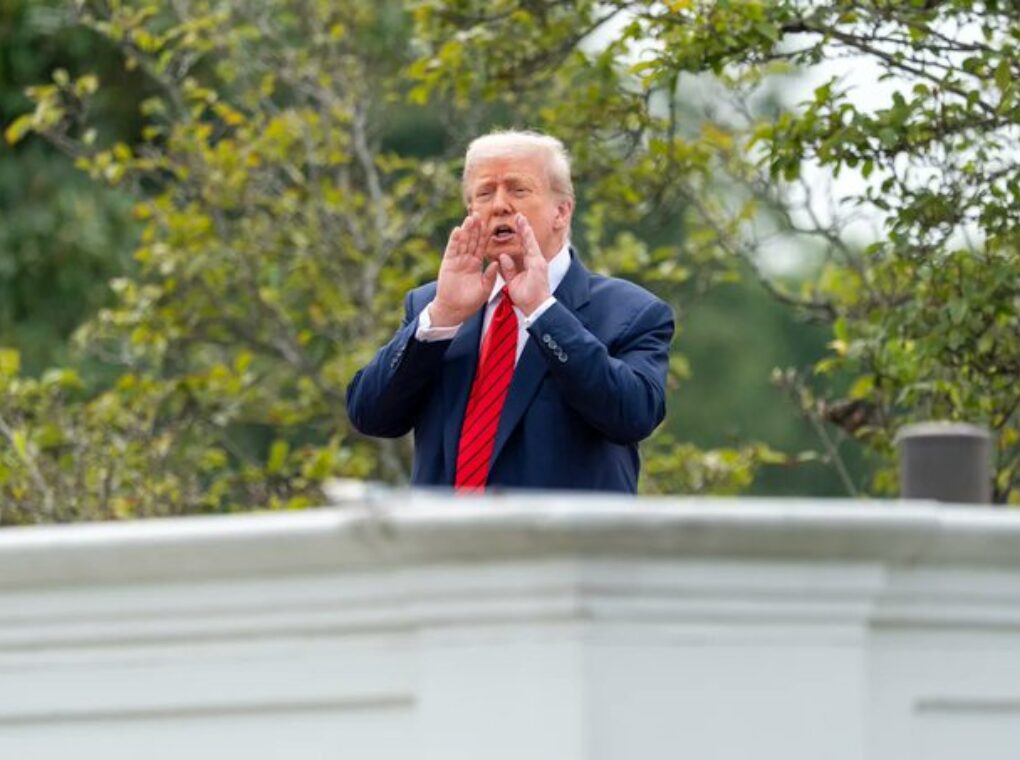
For the administration of US President Donald Trump, the political messaging around any potential agreement may prove just as challenging as the negotiations themselves.
Selling a multibillion-dollar reconstruction arrangement to domestic audiences — particularly after justifying military action as necessary and decisive — could invite criticism from political opponents who may portray the move as a strategic retreat.
At the same time, Tehran also faces domestic calculations. Iranian leaders would likely need to frame any compliance requirements or monitoring provisions carefully to avoid appearing to have surrendered under Western pressure.
For now, no final agreement has been announced, and negotiations remain ongoing. But the emergence of discussions involving ceasefires, maritime restoration, and a possible $300 billion Iran reconstruction fund suggests that the conflict may be entering a new diplomatic phase — one where military pressure is gradually giving way to negotiation.
Whether the outcome is ultimately seen as pragmatic diplomacy or a costly geopolitical compromise may depend on how the final deal is structured — and who claims victory when the dust settles.