Iran’s temporary closure of parts of the Strait of Hormuz during live-fire military drills has reignited global concerns over energy security, maritime safety, and escalating tensions between Tehran and Washington. While Iranian authorities described the move as a short-term safety measure, the strategic implications of any disruption in this narrow waterway are enormous.
The closure coincided with renewed indirect nuclear talks in Geneva and heightened US military deployments in the region — underscoring how closely diplomacy and military signaling are intertwined in the Gulf.
Why Did Iran Shut the Strait of Hormuz?
Iran restricted maritime movement in sections of the strait as part of a military exercise dubbed “Smart Control of the Strait of Hormuz.” According to Iranian state-linked media, missiles were launched from coastal positions and inland sites toward designated maritime targets during the drill.
The operation was carried out by the Islamic Revolutionary Guard Corps (IRGC), which frequently conducts naval exercises in the Persian Gulf to demonstrate its ability to control or disrupt maritime traffic if necessary.
Iran issued prior warnings to mariners about “live surface firing,” advising commercial vessels to exercise caution. Officials stressed that the temporary closure lasted only a few hours and was intended to ensure safety during the drills.
However, the timing of the move is significant. It came amid:
>Escalating tensions between Iran and the United States
>Expanded US naval deployments in the Arabian Sea
>Sensitive nuclear negotiations in Geneva mediated by Oman
Tehran’s message was clear: it retains the capability to control one of the world’s most critical energy chokepoints.
Why the Strait of Hormuz is So Important
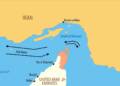
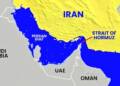
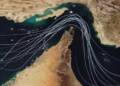
The Strait of Hormuz connects the Persian Gulf to the Gulf of Oman and the Indian Ocean. At its narrowest point, it is just 33 kilometers wide, making it one of the world’s most strategically vulnerable maritime corridors.
Roughly 13 million barrels of crude oil per day — about 31% of global seaborne crude shipments — passed through the strait in 2025, according to market intelligence estimates. The majority of these exports are destined for Asian economies, including India, China, Japan, and South Korea.
Major energy producers that rely on this passage include: Saudi Arabia, Iraq, Kuwait, Qatar, United Arab Emirates, Iran.
Although Saudi Arabia and the UAE operate limited pipeline alternatives, most Gulf oil exports have no viable bypass route. This concentration of energy flow makes even temporary disruptions capable of triggering:
>Oil price spikes
>Increased shipping insurance costs
>Volatility in global energy markets
>Concerns over supply chain stability
Historically, Iran has threatened to close the strait during periods of confrontation but has avoided a sustained shutdown since the Iran-Iraq War in the 1980s.
Rising US-Iran Military Tensions
The temporary closure occurred alongside a buildup of American military assets in the region. The US Navy aircraft carrier USS Abraham Lincoln has been operating in the Arabian Sea, while President Donald Trump announced plans to deploy the USS Gerald R. Ford to West Asia.
Earlier in February, a US Navy jet reportedly destroyed an Iranian drone that approached American forces. In separate incidents, Iranian vessels allegedly harassed US-flagged commercial ships transiting the strait.
The US Central Command has warned that unsafe maneuvers near American warships increase the risk of accidental escalation.
From Tehran’s perspective, the expanded US military presence represents pressure tactics tied to nuclear negotiations and sanctions relief discussions.
What’s Happening in the Nuclear Talks?
Indirect negotiations between Iran and the United States resumed in Geneva, mediated by Oman. Iranian Foreign Minister Abbas Araqchi and US representatives described the talks as constructive but incomplete.
Iran has indicated willingness to discuss limits on its nuclear program in exchange for sanctions relief. However, Tehran has drawn red lines:
>Uranium enrichment will not be fully abandoned
>Its missile program is non-negotiable
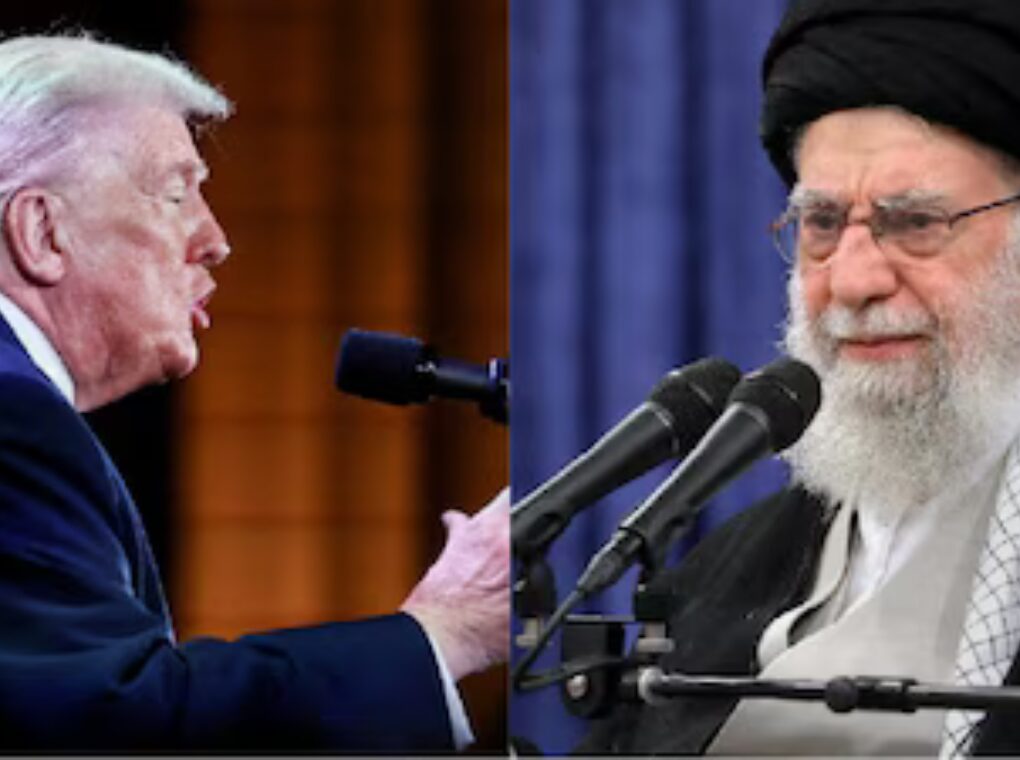
>Supreme Leader Ali Khamenei has reiterated that missile range and type are not topics for negotiation with Washington.
>Oil prices briefly eased following statements suggesting progress in talks, highlighting how closely energy markets track diplomatic developments.
Why This Matters Globally
The Strait of Hormuz is not just a regional flashpoint — it is a global economic pressure point.
For Asia, which depends heavily on Gulf energy supplies, any sustained disruption could strain energy security. For Europe and the United States, instability in the strait raises the risk of military confrontation. For global markets, uncertainty alone can drive volatility.
Iran’s temporary shutdown served as a reminder that:
>Energy chokepoints remain vulnerable
>Military signaling can influence oil markets within hours
>Diplomatic progress and military escalation are unfolding simultaneously
While the closure lasted only hours, it demonstrated how quickly tensions in the Gulf can ripple across global supply chains.
What next?
Iran’s actions appear designed to strengthen its negotiating leverage without crossing the threshold into outright conflict. By demonstrating control over the Strait of Hormuz, Tehran signaled both deterrence and capability.
Whether this episode remains symbolic or escalates into something more serious will depend largely on the trajectory of nuclear talks and the broader US-Iran strategic calculus.
For now, global markets remain watchful — because when the Strait of Hormuz tightens, the world feels it.