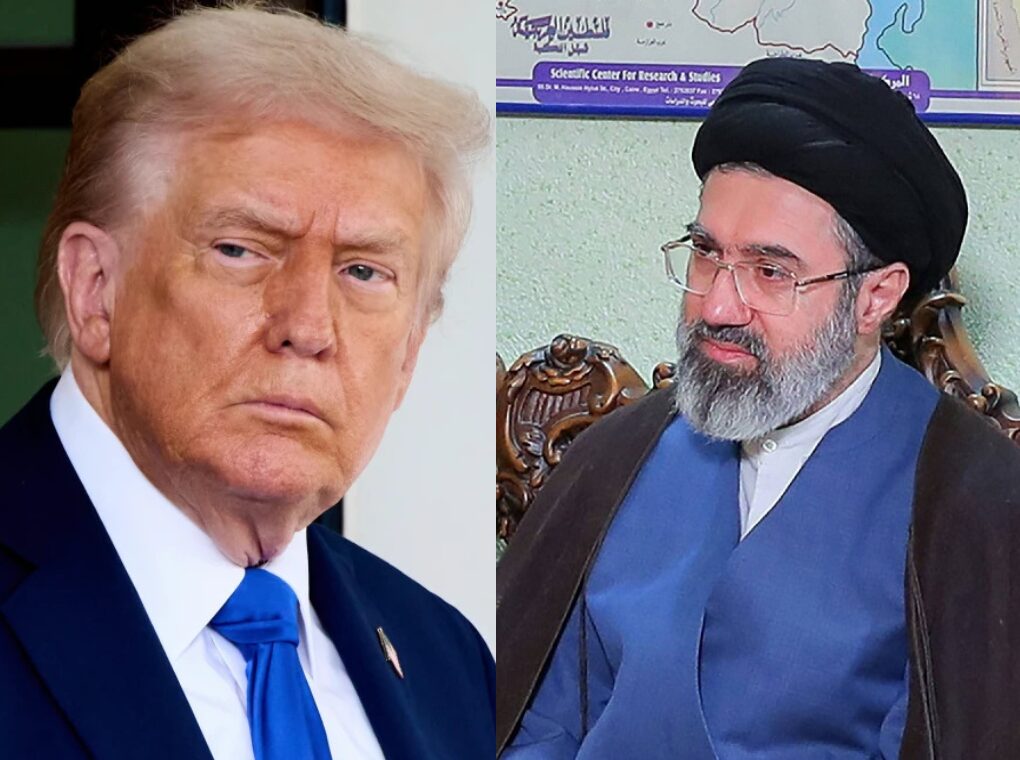
In a dramatic last-minute move, U.S. President Donald Trump has extended the fragile ceasefire with Iran, signaling a temporary pause in hostilities even as Washington intensifies its broader campaign to weaken Tehran’s regional influence.
The decision came amid rising tensions following weeks of conflict linked to the ongoing Iran war, which has disrupted global energy markets and heightened fears of a wider regional escalation.
Ceasefire Extended After Pakistan Mediation
According to official statements, the ceasefire extension followed diplomatic efforts by Pakistan, which has been actively mediating between Washington and Tehran. The move underscores Islamabad’s growing role as a regional interlocutor in high-stakes geopolitical crises.
Trump described the extension as a “necessary step,” but paired it with a stark assessment of Iran’s internal stability, claiming the Tehran regime is now “seriously fractured.” While the White House has not elaborated in detail, analysts suggest the remark points to mounting political, economic, and social pressures within Iran.
Blockade of Iranian Ports Remains
Despite the ceasefire, Trump confirmed that the U.S. will maintain its blockade of Iranian ports—one of the most aggressive economic measures imposed during the conflict.
The continued blockade is aimed at restricting Iran’s ability to export oil and access global trade routes, further squeezing an already strained economy. Experts note that this dual-track strategy—military de-escalation combined with economic pressure—reflects a calculated attempt to weaken Tehran without triggering full-scale war.
Washington Expands Pressure to Iraq
In a parallel development, the Trump administration has widened its crackdown by targeting Iran-linked networks in neighboring Iraq.
The U.S. has blocked nearly $500 million in dollar shipments to Iraq—funds derived from Iraqi oil sales and held at the Federal Reserve. The move effectively limits Baghdad’s access to critical liquidity and is intended to disrupt financial channels allegedly benefiting Iran-backed militias.
Additionally, Washington has frozen key security cooperation with Iraq, warning that military aid could remain suspended unless the Iraqi government takes decisive action against armed groups aligned with Tehran.
Strategy to Weaken Iran’s Regional Influence
The measures signal a broader shift in U.S. policy—from direct confrontation to strategic containment. By targeting financial flows and regional allies, the Trump administration aims to erode Iran’s influence across the Middle East.
Iran has long relied on a network of allied militias and political groups in countries like Iraq, Syria, and Lebanon to project power. By cutting off funding channels and pressuring host governments, Washington is attempting to dismantle this network piece by piece.
Security analysts say the move to halt dollar shipments is particularly significant, as Iraq’s economy remains heavily dependent on access to U.S. currency. This gives Washington considerable leverage over Baghdad’s policy decisions.
Risks of Escalation Remain
Despite the ceasefire extension, tensions remain high. Iran has not formally responded to Trump’s latest remarks about the regime’s internal condition, and the continuation of economic restrictions could provoke retaliation.
There are also concerns that pressure on Iraq could destabilize the country, potentially creating a vacuum that militant groups could exploit. Iraqi officials have previously warned that being caught between U.S. and Iranian interests places significant strain on their sovereignty and internal security.
Global Implications
The developments are being closely watched by global markets, particularly in the energy sector. Any disruption involving Iran—a major oil producer—has immediate ripple effects on supply chains and pricing worldwide.
The ceasefire extension has offered temporary relief, but the ongoing blockade and financial restrictions suggest that volatility is likely to persist.
A Fragile Pause, Not a Resolution
While the ceasefire provides a brief window for diplomacy, it does not signal a long-term resolution to the conflict. Instead, it reflects a tactical pause within a broader strategy of sustained pressure.
Trump’s assertion that Iran is “seriously fractured” indicates that Washington believes time is on its side. However, whether economic and political pressure will lead to meaningful change in Tehran—or trigger further instability—remains uncertain.
For now, the Middle East stands at a delicate crossroads, with diplomacy, economic warfare, and geopolitical rivalry continuing to shape the region’s future.