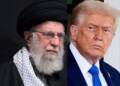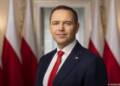
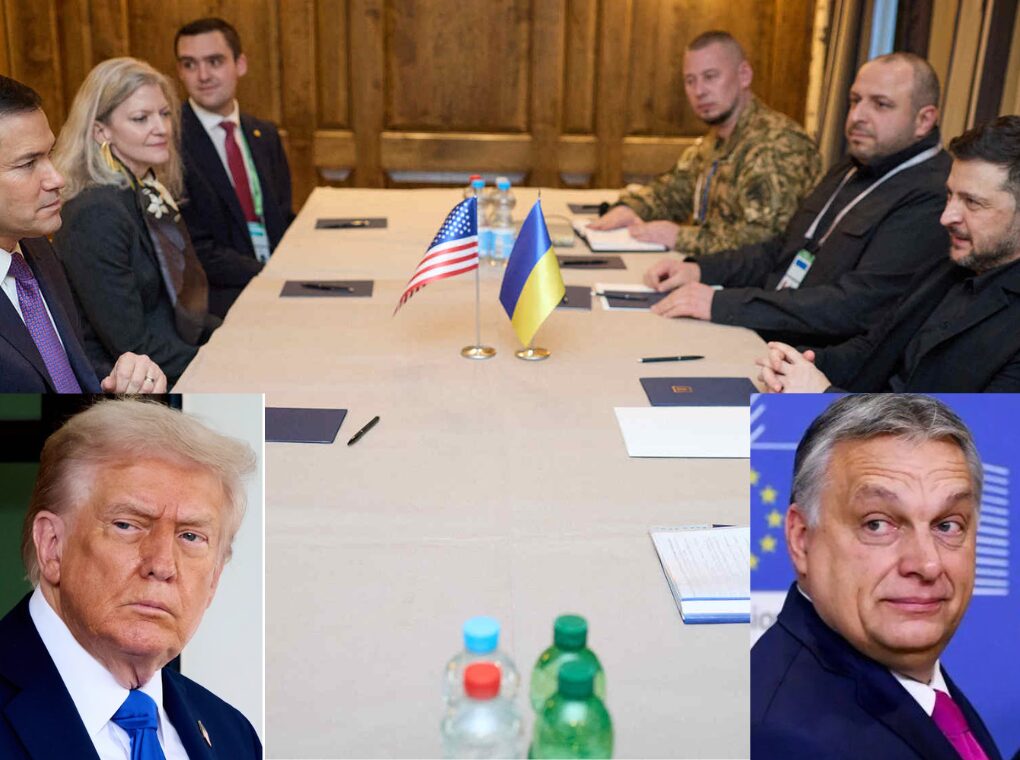
With the fourth anniversary of Russia’s full-scale invasion of Ukraine approaching, diplomatic pressure is intensifying on all sides. Donald Trump has publicly urged Ukrainian President Volodymyr Zelenskyy to “come to the table fast,” ahead of a new round of negotiations in Geneva. Meanwhile, Hungarian Prime Minister Viktor Orbán has stirred controversy in Europe by calling it “naive” to believe Russia will be defeated in the war.
Trump Pushes for Rapid Negotiations
Speaking to reporters, President Trump stressed the urgency of restarting substantive negotiations between Kyiv and Moscow. “They better come to the table fast,” he said, signaling Washington’s desire to accelerate diplomatic engagement before the conflict escalates further.
Senior Ukrainian and Russian officials are scheduled to meet in Geneva this week for the second round of peace talks brokered by Washington D.C.. The two-day discussions are expected to mirror earlier negotiations held in Abu Dhabi, where representatives reportedly explored limited confidence-building measures but failed to secure a breakthrough.
The renewed diplomatic push comes at a symbolic moment, just days before the anniversary of Moscow’s February 2022 invasion. The war has reshaped Europe’s security architecture, strained NATO unity at times, and triggered sweeping sanctions against Russia.
Trump’s remarks reflect his administration’s emphasis on deal-making and conflict de-escalation. While he has not publicly detailed the contours of a potential agreement, his comments suggest impatience with prolonged stalemate and mounting costs—both military and economic.
Kyiv’s Delicate Balancing Act
For President Zelenskyy, the pressure to negotiate comes amid complex realities on the ground. Ukraine continues to rely heavily on Western military and financial assistance to sustain its defense. However, calls for diplomacy are growing louder in some Western capitals, particularly as public fatigue and economic strain set in.
Kyiv has consistently maintained that any peace deal must respect Ukraine’s territorial integrity and sovereignty. Ukrainian officials have repeatedly ruled out recognizing Russian control over annexed territories. Whether Geneva talks can reconcile these positions remains uncertain.
The upcoming session in Geneva is expected to focus on humanitarian corridors, prisoner exchanges, and potential ceasefire frameworks. However, deep disagreements over territorial claims and security guarantees continue to hamper progress.
Orbán’s Stark Warning to Europe
As Washington pushes for talks, Hungary’s Prime Minister Viktor Orbán has taken a sharply different tone from many European leaders. In recent remarks, Orbán declared it “naive” to think Russia would ultimately lose the war.
He accused Germany and Hungarian opposition parties—including Fidesz rivals such as the Tisza Party and the Democratic Coalition—of supporting policies that risk dragging Europe deeper into the conflict. Orbán has long criticized EU sanctions against Russia and has resisted efforts to expand military aid packages for Ukraine.
Furthermore, he warned against proposals that could weaken Hungary’s veto power within the European Union, particularly concerning Ukraine’s potential EU membership and expanded financial assistance.
Orbán’s stance underscores persistent fractures within the EU over how far to go in supporting Kyiv. While countries like Poland and the Baltic states advocate for stronger backing of Ukraine, Hungary has often positioned itself as a dissenting voice, calling for pragmatism and immediate ceasefire negotiations.
Europe at a Crossroads
Orbán’s comments have reignited debate across Europe about long-term strategy. Is the objective total Ukrainian victory? A negotiated settlement? Or a frozen conflict?
Some EU leaders argue that continued support is essential to deter further Russian aggression and uphold international law. Others worry about economic repercussions, energy security, and the political sustainability of open-ended aid commitments.
The Geneva talks will likely serve as a test of whether diplomatic momentum can overcome battlefield realities and entrenched positions. If the negotiations replicate the limited progress seen in Abu Dhabi, skepticism may deepen about the prospects for a near-term breakthrough.
A Critical Diplomatic Moment
The convergence of Trump’s push for swift negotiations and Orbán’s declaration that Russia cannot be defeated signals a shifting tone in global discourse surrounding the war. While Kyiv remains firm in its demands, the international environment appears increasingly focused on exploring negotiated outcomes.
As delegations gather in Geneva, expectations remain tempered. Yet with the war entering its fifth year, the pressure to find a path toward de-escalation has rarely been higher.
Whether the talks produce tangible results or simply extend a diplomatic holding pattern, the coming days could shape the next phase of one of the most consequential conflicts of the 21st century.