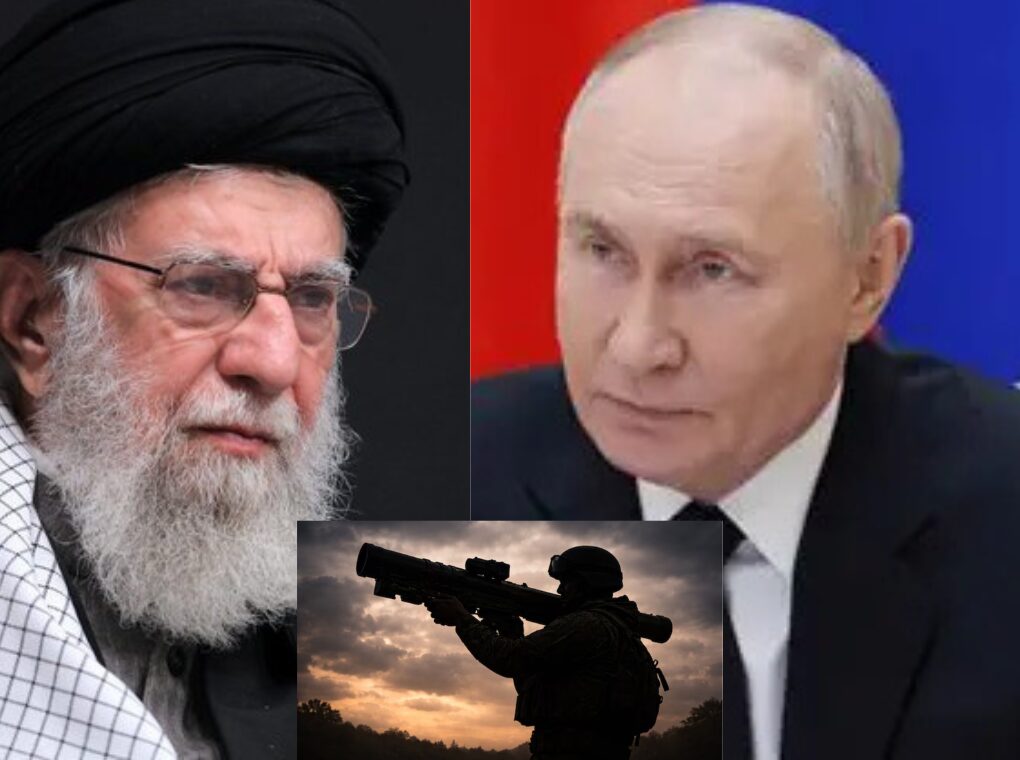
Iran has reportedly finalized a secret €500 million ($589 million) arms agreement with Russia to procure thousands of advanced shoulder-fired anti-aircraft missiles, according to a report by the Financial Times. The deal comes at a time of escalating tensions between Iran and the United States, as both sides prepare for a crucial new round of nuclear negotiations in Geneva.
What’s in the Deal?
The agreement, reportedly signed in December last year, involves the delivery of 500 9K333 “Verba” man-portable air-defense system (MANPADS) launch units and 2,500 9M336 missiles over a three-year period from 2027 to 2029. The systems are designed to target low-flying aircraft, drones, helicopters, and cruise missiles.
The Verba system represents one of Russia’s most advanced shoulder-fired surface-to-air missile platforms. Compared to older Soviet-era systems like the Igla, the Verba features enhanced infrared homing capabilities and improved resistance to countermeasures. The missile’s multi-spectral seeker makes it particularly effective against stealthier aerial targets and unmanned systems.
The deal was reportedly negotiated between Russia’s state arms exporter Rosoboronexport and the Moscow representative office of Iran’s Ministry of Defense and Armed Forces Logistics (MODAFL).
Timing: Why Now?
The reported arms purchase follows a period of heightened confrontation between Tehran and Washington. US President Donald Trump has warned that limited strikes on Iran remain a possibility if nuclear negotiations fail. In recent weeks, the US has deployed aircraft carriers, fighter jets, and additional warships to the Middle East — marking one of the largest American military buildups in the region in decades.
Tehran, for its part, has issued stern warnings that any US military action would trigger retaliatory strikes on American bases across the region. Iran has also conducted large-scale military exercises, issuing NOTAM alerts to pilots and showcasing missile and drone capabilities.
According to reports, Tehran initially requested the Verba systems in July after the US allegedly conducted strikes targeting Iranian nuclear facilities. If confirmed, the timing suggests the missile deal is part of Iran’s broader effort to strengthen its air defense umbrella amid fears of a potential multi-week aerial assault.
Strategic Implications
Shoulder-fired missile systems are particularly significant in asymmetric warfare scenarios. Unlike large, fixed air defense batteries, MANPADS are mobile, difficult to detect, and capable of threatening aircraft operating at lower altitudes. In the event of US or allied air operations over Iran, such systems could complicate air superiority efforts and increase operational risk.
Iran already operates a layered air defense network that includes Russian-supplied S-300 systems and domestically produced platforms like the Bavar-373. The addition of thousands of Verba missiles would enhance point-defense capabilities, especially around critical infrastructure, nuclear sites, and military installations.
From Moscow’s perspective, the deal underscores its continued strategic alignment with Tehran, particularly as Russia seeks to expand defense partnerships amid Western sanctions. It also reflects the growing military cooperation between the two countries in recent years.
Diplomacy in Geneva
Amid the military posturing, diplomatic efforts continue. The United States and Iran are scheduled to hold their next round of nuclear talks in Geneva. Oman has once again stepped in as a mediator, with Foreign Minister Badr al-Busaidi confirming the talks. Oman previously hosted indirect negotiations between the two adversaries and facilitated recent discussions.
The Geneva talks come at a delicate moment. Iran faces not only external pressure but also domestic unrest, with protests reportedly resurfacing over economic conditions and governance issues. At the same time, Washington is pushing for stricter limits on Tehran’s nuclear program and regional activities.
A Region on Edge
The convergence of diplomacy and military escalation has created a volatile environment across the Middle East. US carrier strike groups in the Persian Gulf, Iranian missile drills, and now reports of advanced Russian air defense transfers all contribute to an atmosphere of heightened alert.
While both sides publicly signal readiness for conflict, they also appear to be leaving space for negotiation. Whether the reported missile deal is primarily a defensive precaution or part of a broader strategic deterrence posture remains to be seen.
What is clear, however, is that the balance of power in the region is becoming increasingly complex. With nuclear talks underway and military assets moving into position, the coming weeks could prove decisive in determining whether diplomacy prevails — or whether the Middle East edges closer to another major confrontation.