A senior Saudi official has sharply criticized the United States, claiming Washington has “abandoned” its Gulf partners by redirecting defense resources to protect Israel, leaving nations hosting American military bases exposed to Iranian missiles and drones.
“America has abandoned us, and focused its defense systems on protecting Israel, leaving the Gulf states that host its military bases at the mercy of Iranian missiles and drones,” the official told Al Jazeera in remarks that have circulated widely online and highlighted growing frustration in Riyadh.
The statement comes as the Israel-Iran-US conflict enters its third day on March 2, 2026, with Iran launching widespread retaliatory strikes across the region following the killing of Supreme Leader Ayatollah Ali Khamenei in a joint US-Israeli operation that began on February 28. Tehran has targeted not only Israel but also US-linked sites in multiple Gulf countries, including Saudi Arabia, the United Arab Emirates, Qatar, Bahrain, Kuwait, and others.
Context of the Saudi Criticism
Gulf states like Saudi Arabia have long hosted significant US military presence, including bases such as Prince Sultan Airbase in Saudi Arabia, which supports American forces in the region. These facilities have now come under direct Iranian fire, with reports of missiles and drones intercepted over Riyadh and the Eastern Province.
Saudi Arabia has condemned the attacks as “cowardly” and “blatant,” summoning Iran’s ambassador and vowing firm defense. However, the official’s comments to Al Jazeera reflect a deeper sense of betrayal. Riyadh had previously refused to allow its airspace or territory for strikes on Iran and urged diplomacy, yet it now finds itself drawn into the crossfire.
Analysts note this marks a rare public expression of discontent with US priorities. While Gulf air defenses—bolstered by systems like Patriot missiles—have intercepted most incoming threats, the volume of Iranian barrages has strained resources and raised questions about reliance on American protection.
Escalation Across the Gulf
Iran’s retaliation has been broad and intense. Since Saturday, Tehran has fired hundreds of missiles and drones, claiming to target US military assets but hitting civilian infrastructure in several cases. Explosions have rocked cities including Dubai, Abu Dhabi, Doha, Manama, and Kuwait City, disrupting airports, causing injuries, and forcing airspace closures.
In Saudi Arabia specifically, Iranian attacks targeted Riyadh’s international airport and Prince Sultan Airbase on Sunday, with follow-up strikes reaching the Eastern Province. No major casualties were reported from initial intercepts, but the strikes have shattered the Gulf’s image as a stable haven insulated from regional turmoil.
Experts describe this as a “nightmare scenario” for GCC countries, with all member states targeted within 24 hours for the first time. Iranian Foreign Minister Abbas Araghchi has insisted the strikes aim at the US presence, not neighbors, but Gulf leaders reject this, warning of isolation for Tehran.
Broader Implications for Regional Security
The Saudi official’s remarks underscore a dilemma for Gulf states: balance self-defense without escalating into full involvement in what many view as a US-Israel war. Qatar’s former prime minister cautioned against being “dragged” into confrontation, while Emirati officials have accused Iran of miscalculation.
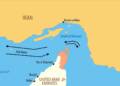
Oil markets have reacted sharply, with Brent crude surging amid fears over the Strait of Hormuz and energy infrastructure. Saudi Aramco temporarily shut its 550,000 bpd Ras Tanura refinery on March 2 after a drone strike caused a small, controlled fire from intercepted debris—further rattling global supplies.
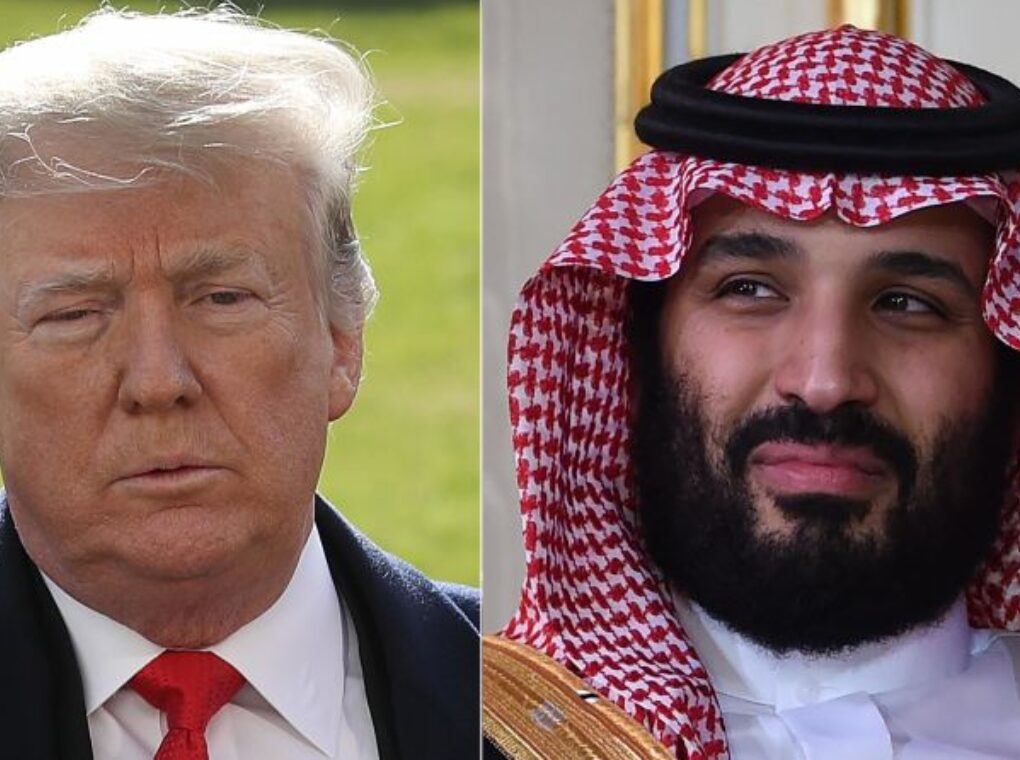
As hostilities continue, with US President Donald Trump vowing prolonged operations and Israel striking Hezbollah in Lebanon, Gulf nations face pressure to respond. Diplomacy remains a priority for many, but repeated violations of sovereignty could force a tougher stance.
The official’s blunt assessment to Al Jazeera signals eroding trust in US commitments at a critical moment, potentially reshaping alliances in the Middle East for years to come.