The United States has claimed significant military success in its ongoing war with Iran, stating that thousands of airstrikes have severely damaged Tehran’s military capabilities and reduced its ability to launch missiles and drones.
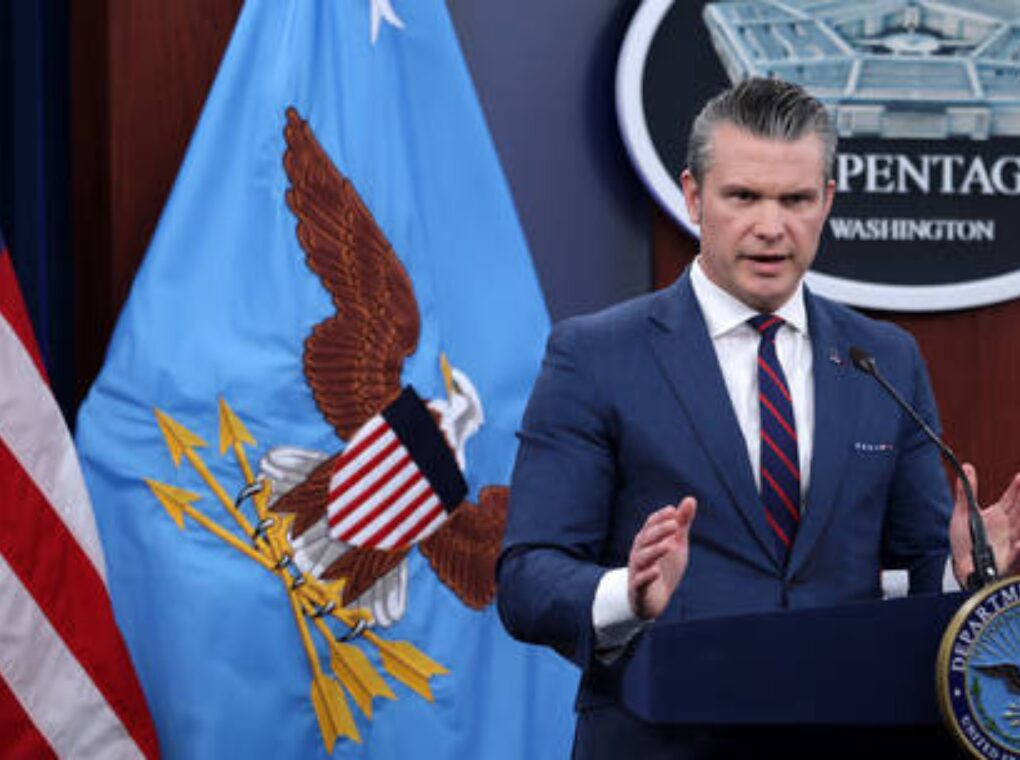
Speaking during a press briefing, Pete Hegseth said the US and Israeli campaign has already conducted more than 15,000 strikes across Iran, targeting military facilities, missile infrastructure, and drone production sites.
According to Hegseth, the sustained bombardment has dramatically weakened Iran’s offensive capacity.
Iran’s Missile and Drone Attacks Drop Sharply
Hegseth claimed that Iran’s missile launch volume has fallen by around 90 percent since hostilities began, while the use of one-way attack drones has dropped by roughly 95 percent.
He argued that the combined military pressure from United States and Israel has crippled Iran’s weapons production infrastructure.
“We have significantly degraded their ability to manufacture and deploy new weapons,” Hegseth said.
The war, which erupted after coordinated strikes by US and Israeli forces, has since expanded into a large-scale regional conflict centered around strategic targets across Iran.
US Mocks Iran’s New Supreme Leader
Hegseth also dismissed a recent statement from Iran’s new Supreme Leader Mojtaba Khamenei, who had called on Iranians to remain united against foreign attacks.
The US official described the message as “weak,” claiming that Khamenei himself was “wounded and likely disfigured.”
Mojtaba Khamenei assumed leadership after his father, Ali Khamenei, was reportedly killed during the first day of the US-Israeli strikes that Tehran described as an unprovoked attack.
Iran has not confirmed the injury claims.
Tensions Rise Around Strait of Hormuz
The conflict has also raised fears about disruptions to global oil supply, particularly around the Strait of Hormuz, one of the world’s most important energy shipping routes.
US officials said the United States Navy is prepared to escort commercial oil tankers through the waterway if necessary.
However, Hegseth described the area as a “tactically complex environment,” indicating that Washington is still evaluating its options.
Meanwhile, Donald Trump said ships should continue crossing the strait without fear, insisting there is “nothing to be afraid of.”
Oil Markets Remain Volatile
The war has already triggered turbulence in global energy markets.
Brent crude prices have remained volatile and continue to trade above $100 per barrel, reflecting fears of a prolonged conflict that could threaten oil shipments from the Gulf.
In an attempt to stabilize markets, the US Department of the Treasury temporarily lifted sanctions on some Russia oil shipments that had been loaded on tankers before March 12.
The move could allow the release of roughly 100 million barrels of oil into global markets, according to Kirill Dmitriev.
Civilian Casualty Controversy
The war has also sparked controversy following reports of civilian casualties.
Iran accused US forces of bombing a girls’ elementary school in Minab, killing 168 children. Washington has said an investigation is underway but rejected accusations of deliberate targeting.
US officials said preliminary findings suggest outdated targeting data linked to a nearby IRGC facility may have caused the strike.
“We literally never target civilians,” Hegseth said during the briefing.
Military Incident in Iraq
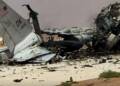
Separately, United States Central Command confirmed the loss of a Boeing KC‑135 Stratotanker during operations over western Iraq as part of Operation Epic Fury.
Officials stated that the aircraft was lost in friendly airspace and was not caused by enemy or friendly fire, though details remain limited.
Growing Global Concerns
Despite Washington’s claims of success, analysts warn that the war could still escalate further and destabilize the wider Middle East.
With oil markets volatile, military strikes continuing, and diplomatic channels largely stalled, the conflict between the United States, Israel, and Iran is increasingly seen as one of the most dangerous geopolitical crises in years.