
In a new development amid the ongoing U.S.-Israeli conflict with Iran, a senior Iranian lawmaker has declared Ukraine’s entire territory a “legitimate target” for potential strikes. The statement, issued on March 14, 2026, by Ebrahim Azizi, head of Iran’s Parliamentary National Security and Foreign Policy Commission, accuses Kyiv of providing critical drone-interceptor technology and support to Israel. This marks a sharp escalation, pulling Ukraine deeper into the volatile Middle East theater despite its ongoing war with Russia.
Azizi’s post on X (formerly Twitter) left little room for ambiguity: “By providing drone support to the Israeli regime, failed Ukraine has effectively become involved in the War and, under Article 51 of the United Nations Charter, has turned its entire territory into a legitimate target for Iran.” He invoked the UN Charter’s self-defense clause, framing Ukraine’s alleged assistance as direct participation in hostilities against Tehran. The claim comes as Ukrainian President Volodymyr Zelenskyy recently confirmed that Kyiv has shared expertise in countering Iranian-made Shahed drones with multiple nations, including those aiding Israel.
This announcement arrives at a pivotal moment for Iran. Just weeks after the assassination of Supreme Leader Ayatollah Ali Khamenei on February 28, 2026, during joint U.S.-Israeli airstrikes, the Islamic Republic is under intense pressure. Khamenei’s death, confirmed by Iranian state media and international reports, triggered a period of mourning and raised questions about regime stability. Yet, contrary to some Western predictions of collapse, hardliners have swiftly consolidated control.
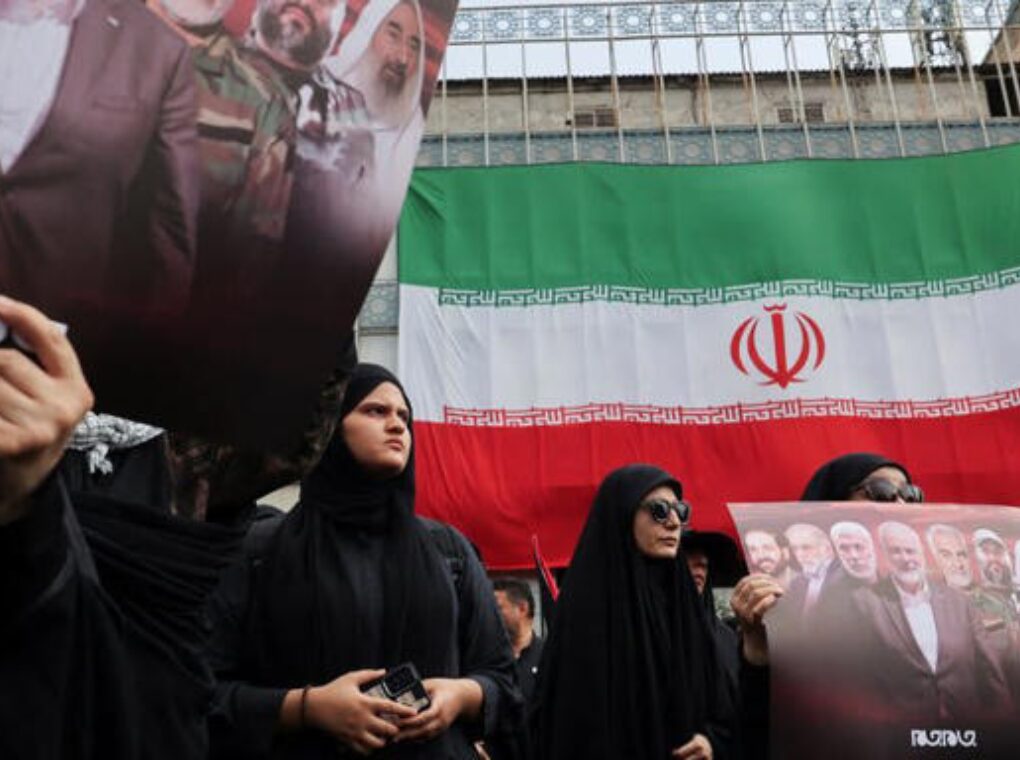
A three-man interim leadership group, including clerical figures, has taken charge, with plans to appoint a new Supreme Leader described by observers as potentially even more radical than his predecessor. Reports indicate a strong “rallying around the flag” effect: many Iranians have taken to the streets in support of the regime rather than defecting. No major military or political defections have occurred in the critical 24 hours following Khamenei’s killing, underscoring the resilience of Iran’s theocratic system despite heavy losses.
Iran Sets Harsh Conditions for Ending the War
Compounding the tensions, senior Iranian official Mohsen Rezai—former IRGC commander and current Expediency Discernment Council secretary—outlined Tehran’s non-negotiable demands for peace. In statements broadcast on Iranian media, Rezai declared: “The end of the war is in our hands. We will consider the issue of ending the war only when, first, we receive full compensation for all our losses from the United States, and second, we receive a 100% guarantee for the future, which is impossible without the withdrawal of the U.S. from the Persian Gulf.”
These conditions echo long-standing Iranian grievances against U.S. military presence in the region. Rezai emphasized that reparations for damages caused by American and Israeli strikes, alongside a complete American pullout from Gulf bases, are prerequisites for any ceasefire. Analysts note that such demands make a quick resolution unlikely, especially as the conflict—sparked by Israel’s campaigns against Iran’s nuclear program and proxy networks—has already inflicted significant economic and infrastructural harm on Iran.
No Signs of Regime Change: A Gaza-Like Scenario Looms?
Despite intense military pressure from Israel and the United States, regime change in Iran appears increasingly improbable in the near term. Hardliners have won the internal power struggle, maintaining tight control over security forces and key institutions. The assassination of high-ranking figures, including parallels drawn to the targeted killings of Hamas and Hezbollah leaders, has not fractured the system as hoped.
Instead, Iranian society has shown unified resistance. Pro-regime demonstrations have surged, fueled by nationalist sentiment and outrage over reported civilian casualties. Critics, including some international observers, have pointed to alleged U.S.-Israeli actions—such as strikes near hospitals and educational facilities—as potential war crimes that have only bolstered public support for Tehran. While these accusations remain contested and under investigation, they highlight the human cost of the prolonged campaign.
Experts warn that even if Iran’s conventional military capabilities are severely degraded—which many analysts consider likely—the outcome could mirror the post-2023 Gaza situation with Hamas: a devastated infrastructure, persistent guerrilla resistance, and no clear political replacement. “Regime change will be extremely difficult to accomplish in these conditions,” one Middle East policy analyst noted anonymously. “The Islamic Republic’s ideological foundations and clerical networks remain intact.”
Broader Implications: Ukraine Caught in Crossfire
Ukraine’s alleged drone aid to Israel—reportedly including interceptor technologies to neutralize Iranian Shahed-style drones—has now thrust Kyiv into a dangerous new front. Ukrainian officials have downplayed the Iranian threat, with diplomats stating the country remains “ready to support partners as much as necessary.” However, the rhetoric from Tehran raises fears of direct Iranian retaliation, potentially stretching Ukraine’s resources thinner amid its defense against Russian aggression.
Iran’s close alliance with Russia adds another layer of complexity. Tehran has supplied drones to Moscow for use in Ukraine, creating a bitter irony: Kyiv now faces threats from the very technology it helped counter. This development could strain Western alliances, as NATO members grapple with supporting Ukraine while avoiding entanglement in the Middle East war.
The conflict shows no immediate signs of de-escalation. With Iran vowing prolonged resistance unless its demands are met, and the U.S. showing no inclination to withdraw from the Gulf, analysts predict a long war of attrition. Missile exchanges, proxy attacks, and cyber operations are expected to intensify, with civilian populations in multiple regions bearing the brunt.
What Lies Ahead for the Region?
As hardliners tighten their grip in Tehran and a more radical Supreme Leader prepares to assume power, the 2026 Iran war enters a dangerous new phase. Iran’s declaration against Ukraine signals a willingness to expand the theater of conflict, while Rezai’s conditions set a high bar for diplomacy. Without breakthroughs in negotiations—potentially involving third-party mediators like China or Oman—the path to peace remains blocked.
For now, the world watches as Iran defies predictions of collapse. The “rallying around the flag” dynamic, combined with military resolve, suggests the Islamic Republic will fight on its own terms. Whether this leads to further escalation involving Ukraine or a drawn-out stalemate reminiscent of other protracted Middle East conflicts remains to be seen. One thing is clear: the stakes have never been higher, and the ripple effects could reshape global geopolitics for years to come.
This unfolding crisis underscores the interconnected nature of modern conflicts—from Eastern Europe to the Persian Gulf. As tensions mount, international calls for restraint and dialogue grow louder, yet the hardline positions on all sides suggest a long road ahead.