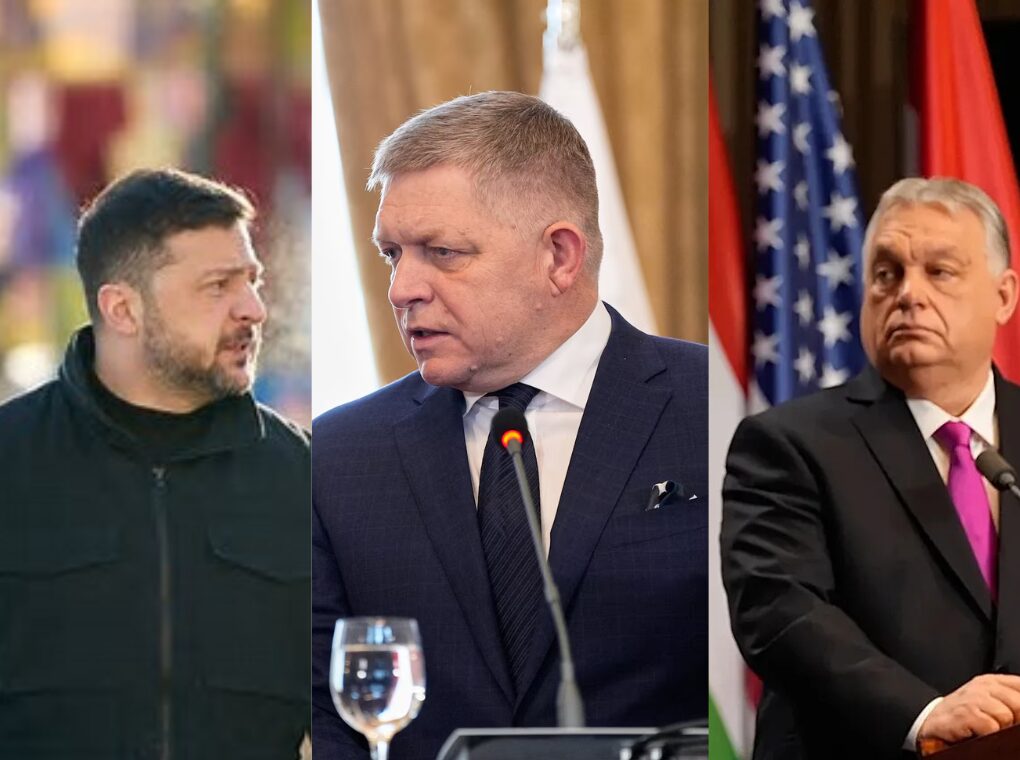
A fresh diplomatic dispute has emerged within Europe as Slovak Prime Minister Robert Fico accused Ukrainian President Volodymyr Zelenskyy of deliberately blocking the restoration of oil supplies through the vital Druzhba pipeline, allegedly to punish countries advocating peace negotiations in the Russia-Ukraine war.
The comments have intensified tensions between Ukraine and some European Union members, particularly Slovakia and Hungary, both of which rely heavily on Russian energy supplies and have taken a more cautious stance toward the ongoing conflict.
Pipeline Dispute Sparks Political Clash
The Druzhba pipeline, a major Soviet-era energy corridor, has long served as one of the main routes transporting Russian crude oil to Central and Eastern Europe. Countries such as Slovakia and Hungary depend significantly on this pipeline for their oil imports.
In late January, Ukraine halted the flow of oil through the pipeline section crossing its territory. Kyiv claimed the shutdown occurred after infrastructure damage allegedly caused by a Russian drone strike.
However, Moscow rejected the accusation, insisting that it did not target the pipeline. Officials in Bratislava and Budapest also expressed skepticism toward Kyiv’s explanation, suggesting the halt may have been politically motivated.
Speaking in a video address, Prime Minister Fico said he had personally discussed the issue with Zelensky, describing the conversation as “very strange.”
According to Fico, the Ukrainian leader made it clear that the pipeline would not resume operations.
“Zelensky will never put oil through the Druzhba pipeline—never,” Fico said. He argued that Ukraine’s stance appeared to be a form of retaliation against countries that have adopted more conciliatory positions on the war.
Claims of ‘Punishment’ for Peace Advocacy
Fico suggested that Ukraine’s decision may be linked to Slovakia’s calls for peace negotiations and its reluctance to support further war financing.
“It looks as if he wants to punish us,” Fico stated. “Because you have peaceful positions and do not support war loans, then you will not have gas and you will not have oil.”
The Slovak leader has been one of the most vocal critics within the EU regarding continued military assistance to Ukraine. Since returning to power in 2023, he has advocated diplomacy and negotiations as the path to ending the conflict rather than prolonged military escalation.
His remarks highlight the growing divisions inside the EU over how to approach the war.
Hungary Joins the Criticism
Hungary has also taken a similar position. Prime Minister Viktor Orbán has repeatedly criticized Western military support to Ukraine and opposed Ukraine’s rapid integration into European institutions.
Orbán previously claimed that Ukraine had prevented Hungarian officials from inspecting the damaged section of the Druzhba pipeline. He suggested Kyiv might be trying to conceal the true cause of the shutdown.
Budapest and Bratislava both argue that continued disruption to the pipeline threatens their energy security and could drive up fuel prices in the region.
EU Pressure Questioned
Fico also questioned why the European Union has not exerted stronger pressure on Kyiv to restore oil flows.
The Slovak leader argued that the EU holds significant financial leverage over Ukraine due to the billions of euros in aid and financial assistance it has provided since the conflict with Russia escalated.
“A legitimate question must arise as to whose interests are more important for the EU—those of Ukraine or those of EU member states,” Fico said.
He further suggested that Brussels applies strict political pressure on member states with dissenting views but avoids confronting Kyiv directly.
Wider Geopolitical Implications
The dispute over the Druzhba pipeline reflects broader tensions across Europe regarding energy security, war policy, and relations with Russia.
For decades, Central European countries relied heavily on Russian energy infrastructure built during the Soviet era. While the EU has attempted to reduce dependence on Russian energy since the war began, some countries remain structurally tied to these supply routes.
The conflict has also exposed deep political divisions within the EU and NATO about how far support for Ukraine should go.
Slovakia and Hungary have consistently warned that pushing Ukraine toward EU and NATO membership could risk escalating the conflict with Russia and dragging the alliance into a direct confrontation.
Uncertain Future for the Pipeline
With Kyiv maintaining its position and Central European governments demanding answers, the future of the Druzhba pipeline remains uncertain.
If the shutdown continues, Slovakia and Hungary may be forced to seek alternative oil supply routes, which could prove more expensive and logistically challenging.
At the same time, the dispute underscores the increasingly complex political landscape in Europe, where the war in Ukraine is reshaping alliances, energy strategies, and diplomatic relationships across the continent.