The strategically critical Strait of Hormuz is witnessing a cautious and highly controlled reopening, as Iran reportedly allows select vessels to transit through what is being described as a “safe corridor.” The move comes amid escalating conflict involving Iran, the United States, and Israel, which has significantly disrupted one of the world’s most vital energy routes.
Limited Access: Who Can Pass?
According to statements by Iranian Foreign Minister Abbas Araghchi, the strait remains open to most countries except the United States and Israel. However, in practice, passage is far from unrestricted. Iran is reportedly granting access on a case-by-case basis, prioritizing nations maintaining diplomatic or economic engagement with Tehran.
Countries such as India, Pakistan, China, and Türkiye are actively coordinating with Iranian authorities to secure safe transit routes. Maritime data suggests that several vessels from these nations have already navigated the corridor successfully.
Interestingly, ships are reportedly avoiding the central channel and instead taking a less conventional route near Larak Island, closer to Iran’s coastline. While this path is shallower, it appears to offer greater security under current conditions.
Is Safe Passage Free?
While international maritime law does not typically permit toll-like charges in such waterways, wartime realities are reshaping norms. Reports indicate that at least one shipping operator paid approximately $2 million to secure safe passage through the corridor. Though unconfirmed in multiple cases, such payments raise questions about enforcement mechanisms and compliance with existing sanctions on Iran.
Additionally, Iran’s parliament is reportedly considering legislation that could formalize transit fees for ships crossing the strait—though such a move would likely require regional consensus.
From Global Lifeline to Bottleneck
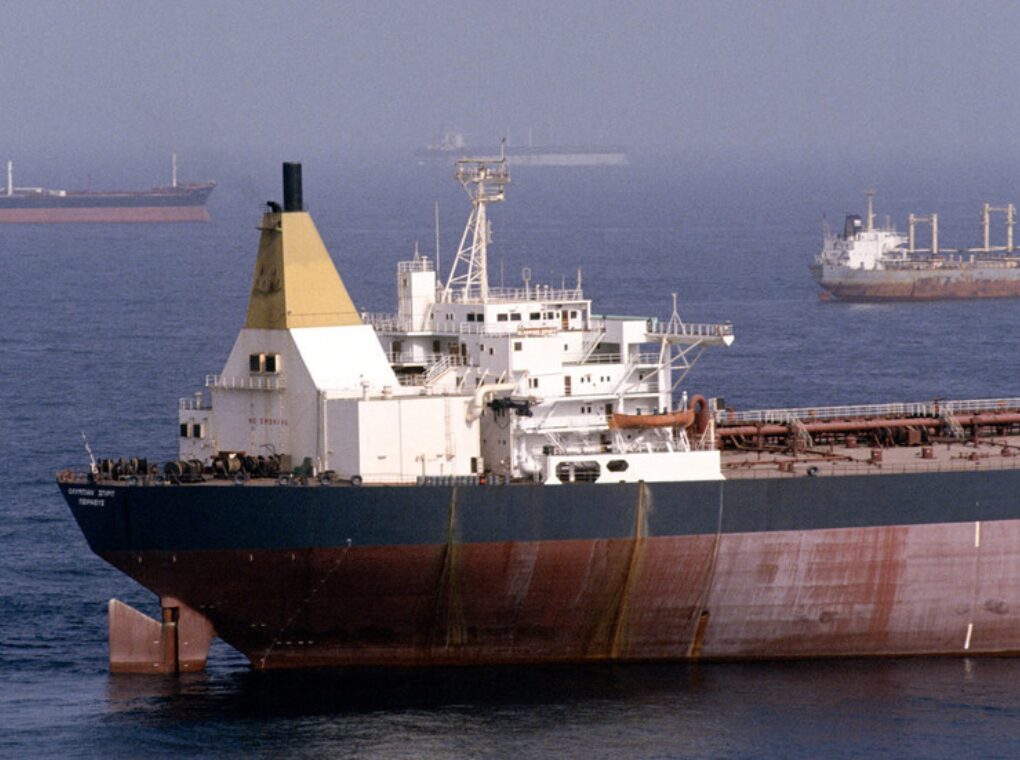
Before the conflict erupted in late February, the Strait of Hormuz was a cornerstone of global energy supply. Roughly 20 million barrels of oil—about 25% of global seaborne trade—passed through the narrow waterway daily. The International Energy Agency estimates that nearly 80% of these exports were destined for Asian markets.
Liquefied natural gas (LNG) shipments were equally dependent, with nearly all exports from Qatar and the United Arab Emirates transiting the strait.
Today, traffic has plummeted dramatically—from around 138 ships per day to just 3–5 vessels, highlighting the severity of disruption.
Impact on Global Energy Prices
Despite the gradual reopening, global energy markets remain under pressure. Brent crude continues to hover above $100 per barrel, recently trading near $107, while WTI crude has dipped slightly to around $94.
European gas markets have also been volatile, particularly after Israeli strikes on Iran-linked energy infrastructure triggered retaliatory attacks affecting regional supply chains.
The limited number of ships passing through the safe corridor has not yet significantly stabilized markets, indicating that broader geopolitical risks continue to outweigh incremental supply improvements.
Western Concerns and Strategic Hesitation
European leaders have called for the full reopening of the Strait of Hormuz and urged de-escalation. However, NATO members remain cautious about deploying naval forces to secure the route during active conflict.
Meanwhile, the United States faces rising domestic pressure as fuel prices surge. President Donald Trump has attempted to calm markets, suggesting that prices could normalize once hostilities subside. US Treasury Secretary Scott Bessent has hinted at potential sanctions relief for Iranian oil already stranded at sea, signaling a pragmatic approach to stabilizing supply.
Russia’s Calculated Position
For Russia, the crisis presents both risks and opportunities. Kremlin spokesman Dmitry Peskov emphasized that Russia remains a reliable energy supplier, even as global markets tighten. Some analysts suggest that reduced competition could benefit Russian exports, although broader instability still poses economic risks.
A Fragile Lifeline
The emergence of a “safe corridor” in the Strait of Hormuz offers a glimmer of relief for global energy markets, but it remains fragile and highly conditional. With geopolitical tensions still running high, the corridor is less a return to normalcy and more a temporary workaround in a deeply unstable environment.
As negotiations continue and more formal transit mechanisms are expected to be introduced, the world will be watching closely. The future of global energy flows—and prices—may well depend on how long this narrow passage remains open.