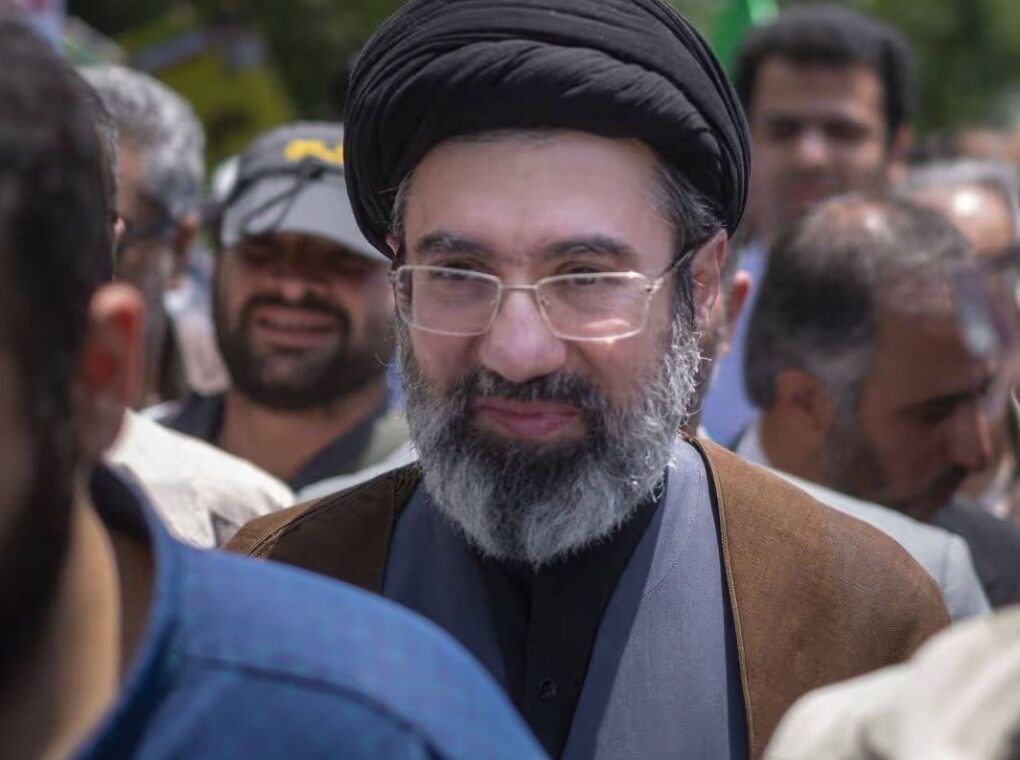
Iran’s newly appointed Supreme Leader, Mojtaba Khamenei, has issued a strongly worded statement vowing to avenge the death of his father, Ali Khamenei, who was reportedly killed in joint US-Israeli strikes at the outset of the ongoing conflict earlier this year. The message, broadcast via Iranian state media, signals a hardening stance from Tehran at a time when fragile ceasefire efforts remain at risk of collapse.
In the statement, Mojtaba Khamenei emphasized that Iran does not seek war but will not compromise on what it considers its sovereign rights. He described the broader network of allied groups across the Middle East as a “unified resistance front,” reiterating Tehran’s long-standing position on regional alliances.
Escalating Rhetoric Amid Fragile Ceasefire
The declaration comes as tensions continue to simmer despite a temporary ceasefire agreement between the United States and Iran. While both sides have publicly claimed strategic gains, ground realities suggest a volatile situation, particularly in Lebanon, where Israeli military operations have intensified.
Israeli Prime Minister Benjamin Netanyahu confirmed that military actions against Hezbollah would continue until security concerns in northern Israel are addressed. He also announced plans for direct negotiations with Lebanon, aimed at disarming Hezbollah and achieving a long-term security arrangement.
However, Iran has warned of “strong responses” if attacks on its regional allies persist, indicating that the ceasefire may not extend to all fronts of the conflict.
Strait of Hormuz: Strategic Pressure Point
A key highlight of Mojtaba Khamenei’s statement was Iran’s intention to move the management of the Strait of Hormuz into a “new phase.” This narrow maritime passage is one of the world’s most critical النفط transit routes, through which a significant portion of global oil supply flows.
Iran’s tightening grip over the Strait has already raised alarm in global energy markets. Any disruption in this chokepoint could have far-reaching consequences, including spikes in oil prices and supply chain instability worldwide.
Call for National Unity and Media Control
In his message, Mojtaba also urged Iranian citizens to avoid engaging with what he described as “enemy-supported media outlets,” signaling a push for tighter information control domestically. He called for public demonstrations and civic mobilization, stating that street-level support would play a crucial role in shaping the outcome of ongoing negotiations.
“Announcing negotiations does not mean retreat,” the statement emphasized, underlining that diplomacy and resistance would proceed simultaneously.
Demand for Retribution and Compensation
Mojtaba Khamenei’s statement went beyond rhetoric, outlining concrete demands for accountability. He pledged that Iran would pursue compensation for damages inflicted during the conflict, including what he referred to as “blood money” for those killed and reparations for the injured.
“We will certainly not let go of the criminal aggressors,” the statement declared, reinforcing Tehran’s position that retaliation remains a central objective.
Regional and Global Implications
The situation has broader geopolitical implications. Talks for a more permanent ceasefire are expected to take place in Islamabad, with US Vice President JD Vance reportedly leading the American delegation. However, deep disagreements remain, particularly over whether groups like Hezbollah are covered under the ceasefire framework.
Meanwhile, the conflict has already resulted in significant casualties, especially in Lebanon, where recent Israeli strikes have reportedly caused heavy losses. The continuation of hostilities in this region risks drawing in additional actors and further destabilizing the Middle East.
Uncertain Road Ahead
As the war enters a critical phase, the strong rhetoric from Iran’s leadership underscores the fragility of the current ceasefire and the potential for renewed escalation. With strategic flashpoints like the Strait of Hormuz under scrutiny and multiple actors involved, the path toward a lasting resolution remains uncertain.
For now, Mojtaba Khamenei’s vow of revenge marks a significant moment in the conflict, signaling that despite diplomatic overtures, the threat of further confrontation looms large over the region.