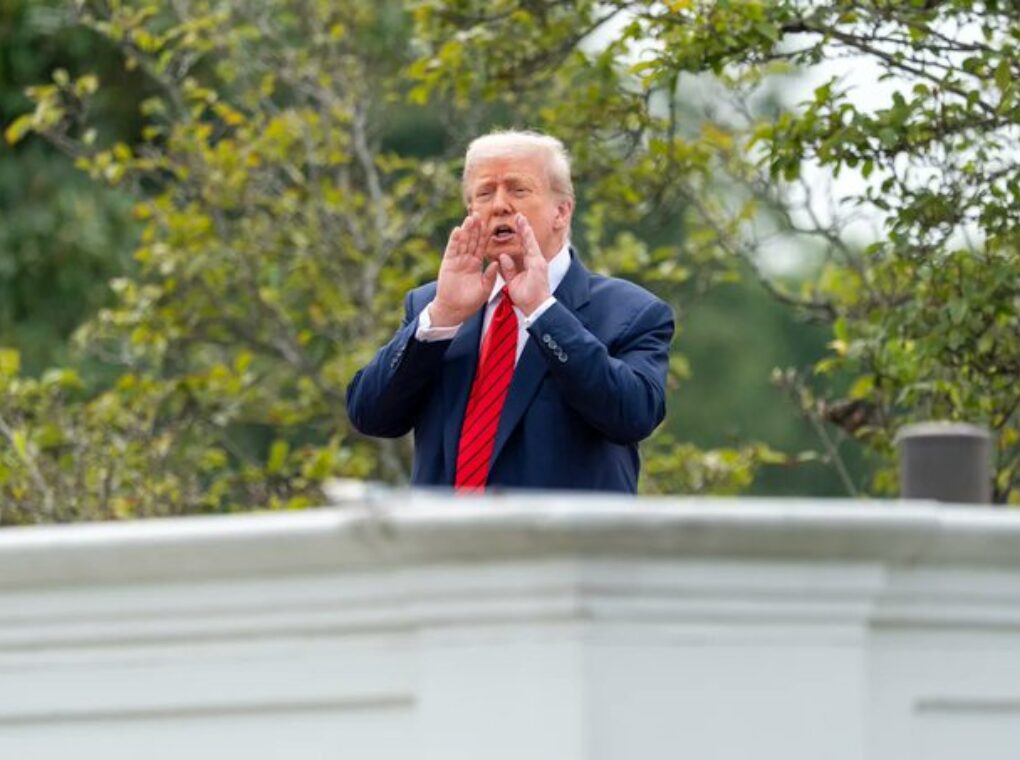
The fragile ceasefire between the United States and Iran may have halted open hostilities in the Middle East, but its geopolitical consequences are now reverberating across Europe. In a move that could redefine transatlantic relations, U.S. President Donald Trump is reportedly considering punitive measures against NATO allies who declined to support Washington during the conflict.
The development has sparked concerns that NATO—long regarded as the world’s most powerful military alliance—could be entering a period of unprecedented internal strain.
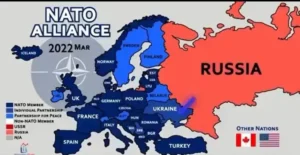
A Test NATO Failed?
Formed in 1949, NATO was built on the principle of collective defense, enshrined in Article 5 of its founding treaty. The clause stipulates that an attack on one member is considered an attack on all. However, this principle has only been invoked once in history, following the September 11 attacks.
During the recent Iran conflict, President Trump reportedly expected NATO allies to rally behind the United States and Israel under this spirit of collective security. Instead, several European nations resisted direct involvement, exposing growing divisions within the alliance.
Expressing his frustration, Trump described the situation as a “test” for NATO, warning that Washington would remember which countries stood with the U.S. and which did not. Now, in the aftermath of the ceasefire, that warning appears to be translating into policy considerations.
Proposed US Plan: Troop Redeployment and Strategic Pressure
According to multiple reports, the Trump administration is weighing a plan to restructure the U.S. military presence in Europe. Currently, approximately 84,000 American troops are stationed across the continent, forming a critical pillar of European security—particularly since the onset of the Russia-Ukraine War.
Under the proposed strategy, U.S. forces could be withdrawn from countries deemed uncooperative during the Iran war and redeployed to nations that actively supported Washington’s military efforts.
This shift would not only reward allies who aligned with U.S. objectives but also send a strong message: American military protection is contingent on reciprocal support.
In addition to troop redeployments, the administration is reportedly considering closing at least one U.S. military base in a country that strongly opposed the war—potentially Spain or France.
Who Supported the US?
Support for the United States largely came from Eastern European and Baltic nations, which perceive Russia as an immediate and existential threat. Countries such as Poland, Lithuania, Latvia, and Estonia voiced strong backing for U.S. actions against Iran.
Poland, in particular, has emerged as a key strategic partner, allocating nearly 5% of its GDP to defense spending—one of the highest levels within NATO. The Baltic states have also significantly increased their military budgets, aligning closely with U.S. expectations.
Beyond Eastern Europe, the United Kingdom and Canada offered notable support. The UK authorized the use of its military bases and deployed assets, including naval vessels and fighter jets, to assist operations in the region. Similarly, Greece and Romania contributed logistical and defensive assistance.
Divisions Within Western Europe
In contrast, several Western European countries adopted a more cautious or oppositional stance.
Spain stood out as the most vocal critic of the war. Madrid not only refused to allow U.S. military operations from its bases but also denied airspace access to American aircraft involved in Iran-related missions. Spanish officials went as far as calling the conflict “unjustifiable” and “illegal.”
Spain’s position is further complicated by its defense spending policies. It remains one of the lowest contributors in NATO and has resisted U.S. calls to increase military expenditure to 5% of GDP. This has reportedly placed Spain at the top of the list of countries that could face U.S. penalties.
France and Germany, while not outright opposing the U.S., imposed significant restrictions. France allowed limited operations supporting Gulf allies but blocked direct involvement in offensive strikes against Iran. Germany maintained logistical support through key bases such as Ramstein but avoided deeper military engagement.
Turkey also opposed the war, though its stance is viewed through a different lens due to its geographic proximity to Iran and complex regional dynamics. As a result, Ankara may not face the same level of scrutiny as some European nations.
Strategic Implications for NATO
If implemented, the proposed U.S. measures could have far-reaching consequences for NATO’s unity and operational effectiveness. A large-scale redeployment of American troops from Western to Eastern Europe would signal a fundamental shift in the alliance’s strategic priorities.
Such a move could strengthen deterrence against Russia in Eastern Europe but simultaneously weaken security arrangements in Western Europe. More importantly, it risks deepening political divisions within NATO at a time when cohesion is already under strain.
The situation also raises broader questions about the future of the alliance. Is NATO still a unified security bloc, or is it evolving into a more transactional arrangement where commitments depend on alignment with U.S. foreign policy objectives?
A Defining Moment for Transatlantic Relations
The Iran war may have ended in a ceasefire, but its aftermath is reshaping global alliances. President Trump’s reported plans to penalize NATO allies mark a significant departure from traditional U.S. policy, which has historically emphasized alliance unity over division.
As tensions simmer, the coming months could prove decisive for NATO’s future. Whether the alliance emerges stronger or more fragmented will depend on how both the United States and its European partners navigate this growing rift.
One thing is certain: the real impact of the Iran conflict is now unfolding far beyond the battlefield—within the very structure of the Western alliance itself.