
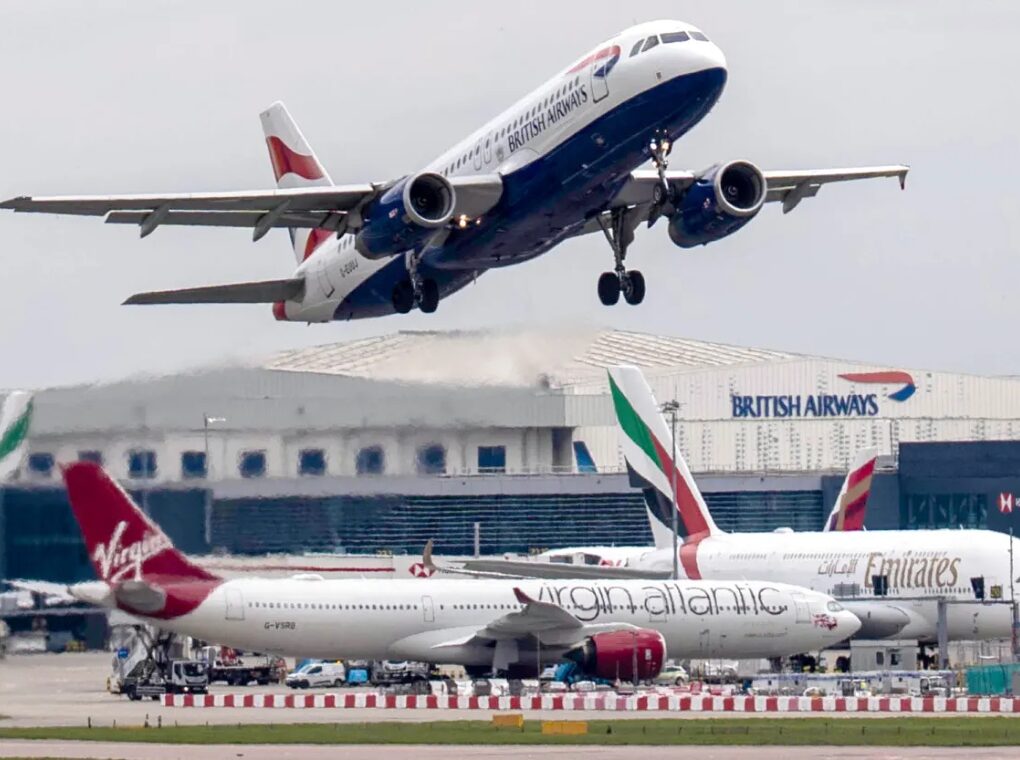
Europe could be heading toward a significant aviation fuel crisis, with as little as six weeks of jet fuel remaining if current supply disruptions persist, according to International Energy Agency (IEA) Executive Director Fatih Birol. His warning comes amid escalating tensions in the Middle East and ongoing disruptions in the strategically vital Strait of Hormuz.
In an interview with the Associated Press, Birol described the situation as “the largest energy crisis we have ever faced,” highlighting the severity of supply constraints caused by restricted oil and gas flows through the Hormuz passage. The strait, through which a significant portion of the world’s oil supply passes, has become a focal point of geopolitical tensions, particularly due to the ongoing conflict involving Iran.
Growing Risk to Europe’s Aviation Sector
The warning has raised alarm bells across Europe’s aviation industry, especially as airlines prepare for the peak summer travel season. Jet fuel shortages could soon translate into real-world disruptions, including flight cancellations across major routes.
Birol cautioned that if the situation remains unresolved, passengers could begin to see flights canceled due to fuel scarcity. “We will hear the news that some flights from city A to city B might be canceled as a result of lack of jet fuel,” he stated.
This is particularly concerning for an industry that plays a crucial role in Europe’s economy. According to ACI Europe, air travel contributes approximately €851 billion annually to the region’s GDP and supports around 14 million jobs. Any sustained disruption could therefore have far-reaching economic consequences.
Supply Shock and Rising Costs
The root of the crisis lies in the sharp decline in oil shipments passing through the Strait of Hormuz. Analysts note that tanker traffic has been severely affected, leading to reduced supply availability in global markets. As a result, energy prices have surged, increasing operational costs for airlines and other industries.
European carriers are already feeling the strain. Budget airline EasyJet reported a noticeable dip in forward bookings, with ticket sales for later in the year down by 2% compared to 2025. The airline also revealed it incurred an additional £25 million in fuel costs in March alone, underscoring the financial pressure caused by volatile energy markets.
While some airlines have hedged fuel purchases to mitigate price spikes, prolonged disruption could outpace these protective measures, forcing carriers to either cut routes or pass costs onto consumers through higher ticket prices.
Global Economic Ripple Effects
The implications of the crisis extend well beyond Europe. Birol warned that rising energy prices would likely fuel global inflation and slow economic growth. “The longer it goes, the worse it will be for economic growth and inflation around the world,” he said.
The impact is expected to be particularly severe for energy-importing nations in Asia. Countries such as Japan, South Korea, India, China, Pakistan, and Bangladesh rely heavily on Middle Eastern oil supplies and could face acute shortages and price spikes if the disruption continues.
In fact, Birol described Asia as the “front line” of the crisis, noting that these economies are highly vulnerable to fluctuations in energy supply and pricing. A prolonged blockade or restriction in Hormuz could therefore trigger a broader global energy shock.
A Worsening Outlook
The situation appears to be deteriorating. Birol had earlier warned that oil supply losses in April could be double those seen in March, compounding the pressure on already strained markets. In addition to crude oil, disruptions to liquefied natural gas (LNG) supplies are also contributing to the crisis.
Energy analysts from firms like Rystad Energy and ING have echoed similar concerns, emphasizing that the duration of the disruption will be the key factor determining the severity of the crisis. If alternative supply routes or diplomatic resolutions are not secured soon, rationing of energy resources could become a reality in some regions.
Europe’s looming jet fuel shortage is a stark reminder of how geopolitical tensions can quickly escalate into global economic crises. With the Strait of Hormuz at the center of the disruption, the world faces a critical test of energy resilience and supply chain adaptability.
Unless swift action is taken to restore stable energy flows, the coming weeks could see not only widespread flight disruptions in Europe but also a broader economic slowdown affecting multiple regions worldwide.