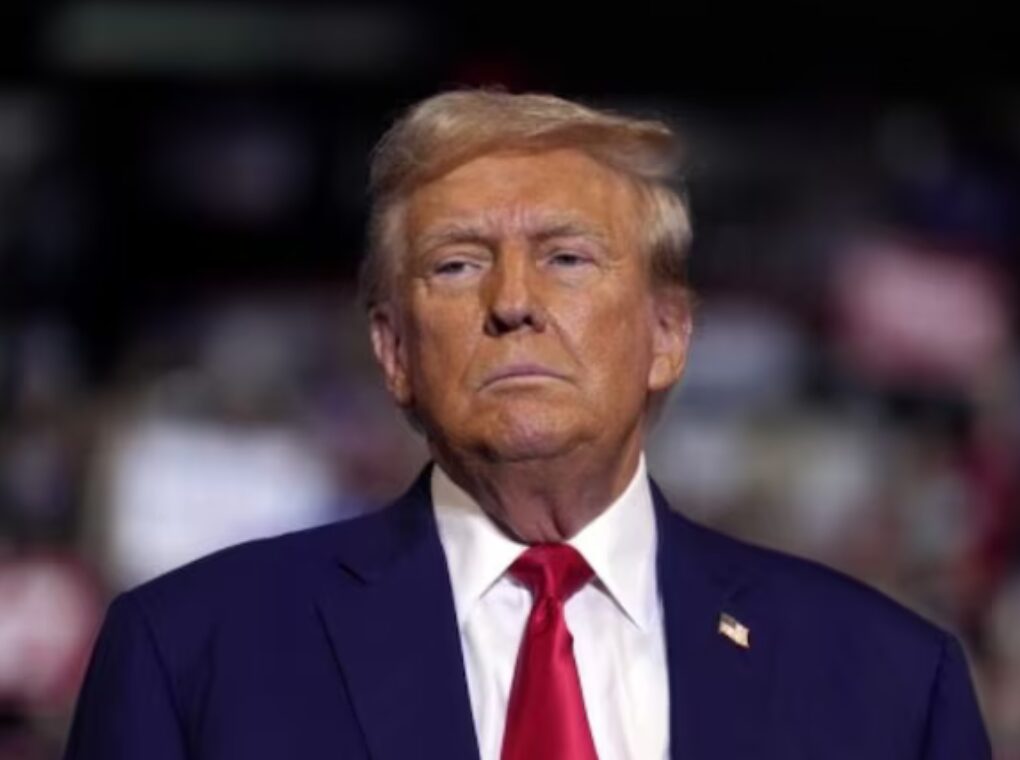
In a potentially game-changing development amid escalating tensions in the Middle East, Donald Trump has announced that Iran has agreed to hand over its stockpile of enriched uranium as part of ongoing negotiations to end the conflict. The statement, if confirmed, could mark a breakthrough in a crisis that has threatened to spiral into a broader regional war.
Speaking to reporters, Trump said there was a “very good chance” of reaching a comprehensive peace deal with Tehran, adding that Iran had agreed to return what he described as “nuclear dust” — a reference to enriched uranium that the United States believes could be used in the development of nuclear weapons. However, Iranian officials have yet to officially confirm this claim, instead signaling cautious optimism about the progress of talks.
Conflicting Positions on Nuclear Programme
At the heart of the negotiations lies the long-standing dispute over Iran’s nuclear ambitions. Washington has insisted that any agreement must include a complete halt to Iran’s ability to develop nuclear weapons. Reports suggest the United States is pushing for a 20-year suspension of uranium enrichment activities.
Tehran, however, has maintained that its nuclear programme is purely for civilian purposes, such as energy production. Iranian officials have indicated a willingness to compromise, proposing a five-year suspension instead. They have also emphasized that while the level of uranium enrichment may be negotiable, their right to pursue nuclear technology remains “indisputable.”
The lack of alignment between these positions highlights the fragile nature of the negotiations and the challenges ahead in securing a lasting agreement.
Military Pressure and Economic Blockade
The diplomatic push comes against the backdrop of intense military and economic pressure. The United States has warned that failure to reach a deal could result in renewed airstrikes and an expanded blockade targeting Iran’s economy.
A key flashpoint in the ongoing standoff is the Strait of Hormuz, a vital global shipping route through which nearly 20 percent of the world’s oil supply passes. Iranian forces have disrupted shipping in the area since the conflict began, prompting the United States to tighten its naval presence.
US Central Command has claimed that it has effectively halted maritime trade to and from Iran, turning back multiple vessels attempting to leave Iranian ports. In response, Iranian military officials have issued strong warnings, stating that any attempt by Washington to “police” the region could lead to direct retaliation, including attacks on American ships.
This escalating brinkmanship has heightened fears of a wider confrontation that could disrupt global energy markets and destabilize the region further.
Israel-Lebanon Ceasefire Offers Temporary Relief
Amid the broader conflict, Trump also announced a separate diplomatic development — a 10-day ceasefire between Israel and Lebanon. The truce comes after weeks of cross-border fighting involving the Iran-backed militant group Hezbollah.
Hezbollah has indicated that it will respect the ceasefire provided Israeli strikes cease, while leaders in both Israel and Lebanon have cautiously welcomed the agreement. Although temporary, the truce is being viewed as a positive signal that diplomatic efforts may be gaining traction across multiple fronts.
However, analysts warn that such ceasefires in the region are often short-lived, particularly given the deep-rooted tensions and competing interests involved.
Pakistan Emerges as a Key Mediator
Diplomatic efforts are also being supported by Pakistan, which is playing an increasingly important role as a mediator between Washington and Tehran. Pakistan’s army chief, Asim Munir, recently held talks with senior Iranian officials, including parliamentary speaker Mohammad Bagher Ghalibaf.
There are indications that future rounds of negotiations could take place in Islamabad, although no official date has been confirmed. Trump has also suggested he may travel to Pakistan to finalize a deal, underscoring the country’s growing diplomatic significance in the crisis.
Political Divisions in Washington
Back in the United States, the conflict has sparked debate within political circles. Lawmakers have expressed concern over the duration and cost of the military engagement, as well as the lack of a clearly defined endgame.
The US House of Representatives recently rejected a proposal aimed at limiting the president’s authority to conduct military operations against Iran, effectively allowing the administration to continue its current strategy.
Meanwhile, senior officials have maintained a firm stance. Defense Secretary Pete Hegseth warned that Iran could face severe consequences, including targeted strikes on critical infrastructure, if it fails to comply with US demands.
A Region at a Crossroads
As negotiations continue, the Middle East stands at a critical juncture. Israeli Defense Minister Israel Katz has described the situation as a “historic crossroads” for Iran, urging it to abandon its nuclear ambitions and align with international expectations.
Despite signs of progress, significant obstacles remain. Deep mistrust, conflicting strategic interests, and ongoing military tensions all pose risks to any potential agreement.
For now, the international community is closely watching developments, aware that the outcome of these negotiations could have far-reaching implications — not only for regional stability but also for global security and energy markets.
Whether Trump’s claim about Iran handing over enriched uranium proves accurate or premature, one thing is clear: the coming days will be decisive in shaping the future of this high-stakes conflict.