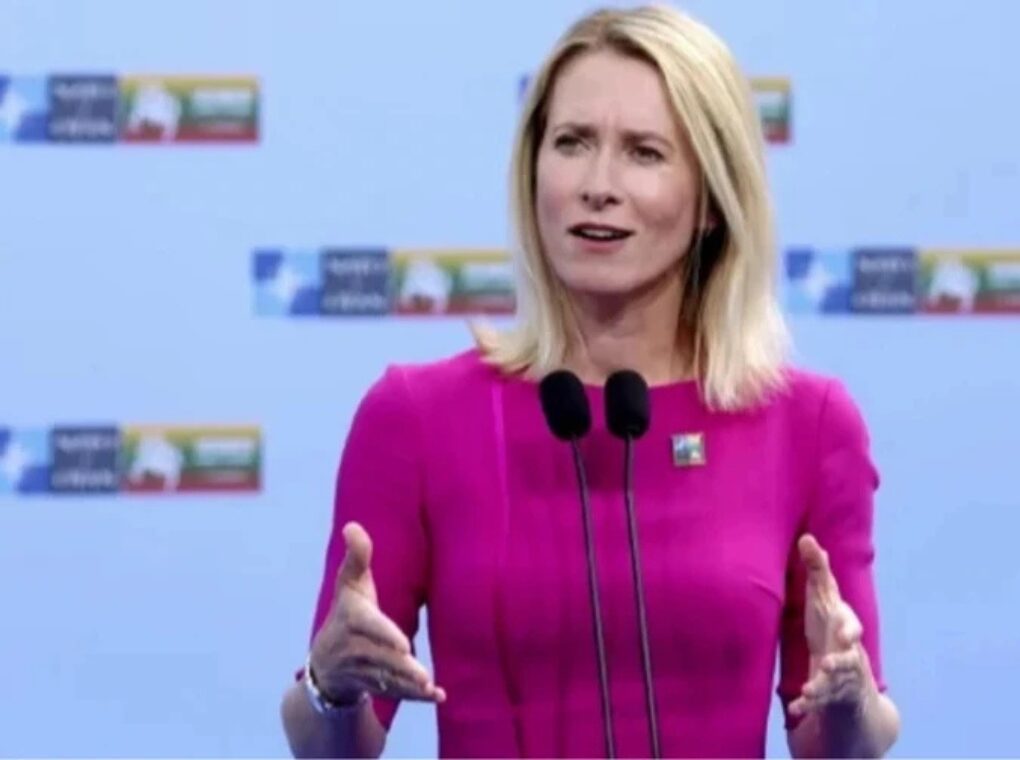
The European Union has signaled a sharp escalation in its cultural and political stance toward Russia, with foreign policy chief Kaja Kallas announcing plans to cut funding to the prestigious Venice Biennale over its decision to readmit Russian artists for its 2026 edition.
The move comes amid the ongoing fallout of the Russia-Ukraine War, which continues to reshape Europe’s diplomatic, economic, and cultural policies. Kallas made the remarks following a meeting of EU foreign ministers, emphasizing that cultural platforms should not provide legitimacy to a country accused of widespread destruction in Ukraine.
EU Takes a Firm Cultural Stand
Speaking at a press conference, Kallas strongly criticized Russia’s inclusion in the upcoming Biennale. She argued that while Moscow is accused of targeting Ukrainian cultural heritage—destroying museums, churches, and historical landmarks—it should not simultaneously be granted a stage on one of Europe’s most prominent artistic platforms.
Her statement reflects a growing sentiment within the EU that cultural neutrality is increasingly difficult to justify in the context of an ongoing war. The European bloc is now considering withdrawing approximately €2 million in funding allocated to the Biennale over three years, signaling that even cultural institutions are not immune to geopolitical consequences.
Rising Opposition Across Europe
The decision by the Venice Biennale to readmit Russian participation for the first time since 2022 has sparked widespread backlash. Several European leaders and cultural figures argue that allowing Russia to showcase its art risks normalizing its global image at a time when it faces sanctions and international condemnation.
Among the strongest critics is Latvia’s culture minister Agnese Lāce, who has led a coalition of 25 European countries calling for Russia’s exclusion. She has announced plans to boycott the Biennale’s May 9 opening ceremony if Russian participation proceeds.
Latvia’s Ministry of Culture has also issued a formal statement warning that Russia’s inclusion could grant “legitimacy through a major European cultural platform” to what it describes as a sanctioned aggressor state. Concerns have also been raised about potential links between individuals involved in the Russian pavilion and pro-Kremlin narratives.
Pressure Mounts on EU Leadership
The issue has reached the highest levels of EU governance, with dozens of Members of the European Parliament urging decisive action. In a letter addressed to Ursula von der Leyen and Kallas, 37 MEPs called for the immediate suspension of EU funding to the Biennale.
They further recommended considering restrictive measures against individuals associated with the Russian pavilion, highlighting concerns about state influence and propaganda.
This coordinated pressure underscores how cultural events are increasingly viewed through the lens of strategic influence and soft power, especially during times of conflict.
Biennale Defends Artistic Independence
Despite the mounting criticism, the Venice Biennale has defended its decision, maintaining that art should remain a space for dialogue, free from political interference. Organizers argue that cultural exchange can serve as a bridge even during periods of geopolitical tension.
However, this stance has not convinced many European policymakers, who argue that the scale and nature of the Ukraine conflict make neutrality untenable. For them, allowing Russia to participate risks undermining the EU’s broader sanctions regime and moral position.
A Broader Debate on Culture and Conflict
The controversy surrounding the Venice Biennale reflects a deeper debate about the role of culture in times of war. Can art truly remain separate from politics when nations are engaged in active conflict? Or does participation in global cultural events inherently carry political significance?
For the European Union, the answer appears increasingly clear. The potential funding cut signals that Brussels is willing to extend its geopolitical strategy beyond traditional domains like trade and defense into the cultural sphere.
As the 2026 Venice Biennale approaches, the standoff between artistic freedom and political accountability is likely to intensify. Whether the exhibition proceeds with Russian participation—or faces financial and diplomatic repercussions—will serve as a key test of how Europe balances cultural values with geopolitical realities in an era of prolonged conflict.