As Armenia heads toward its crucial parliamentary elections scheduled for June 7, 2026, the small South Caucasus nation has found itself at the center of an intensifying geopolitical tug-of-war between the European Union and Russia. What was once a domestic democratic exercise is now being closely watched by global powers, raising concerns about foreign interference and the integrity of the electoral process.
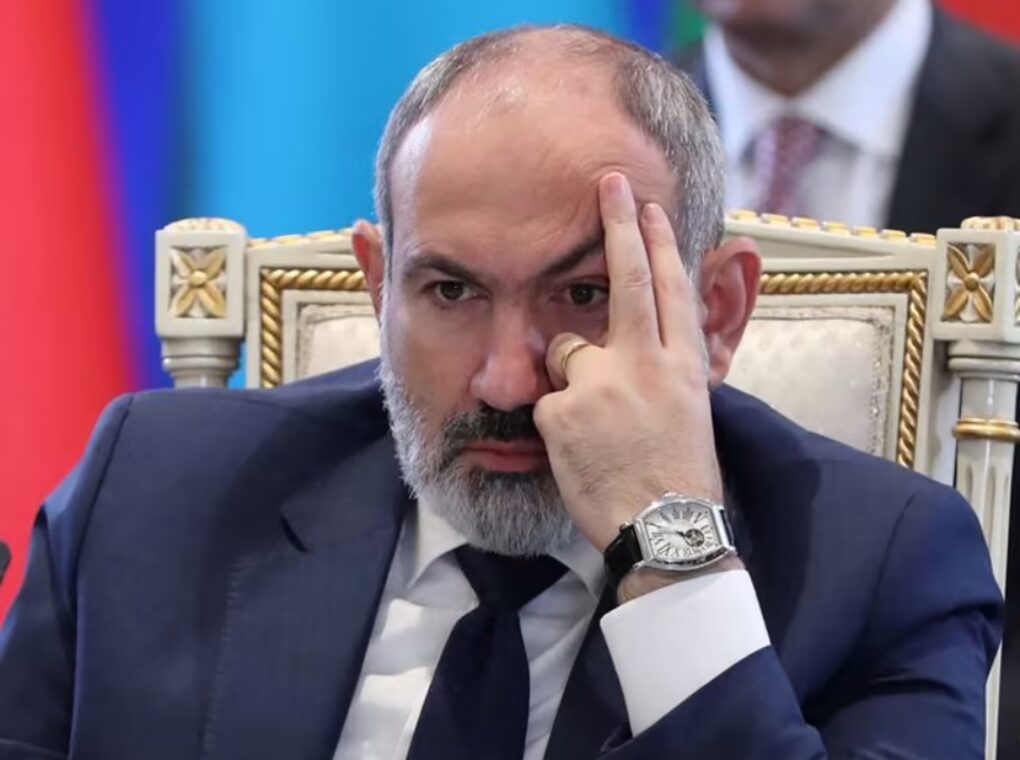
At the heart of this contest is Nikol Pashinyan, Armenia’s incumbent prime minister, who is seeking re-election on a strongly pro-European platform. Since rising to power during the 2018 Velvet Revolution, Pashinyan has positioned himself as a reformist leader aiming to steer Armenia toward closer integration with Europe. His campaign reflects a broader shift in public sentiment, with a growing number of Armenians expressing support for aligning with the EU rather than maintaining traditional ties with Moscow.
A Shift in Public Opinion
Recent polling suggests that as many as 72 percent of Armenians now support joining the European Union, signaling a dramatic change in the country’s geopolitical outlook. This shift has been driven in part by disillusionment with Russia’s role in regional security, particularly following the 2023 crisis in Nagorno-Karabakh.
Armenia had long relied on Russia as a security guarantor, largely through its membership in the Collective Security Treaty Organization. However, when Azerbaijan launched its offensive in Nagorno-Karabakh, many Armenians felt that Russian peacekeepers failed to intervene effectively. The resulting exodus of nearly 100,000 ethnic Armenians from the region left a deep scar on the national psyche and weakened trust in Moscow.
As a result, Yerevan has taken steps to distance itself from Russia, including suspending its participation in CSTO activities. Nevertheless, Armenia remains economically tied to Moscow through the Eurasian Economic Union, highlighting the complexity of its geopolitical position.
Key Players in the Election
While Pashinyan remains the frontrunner, he faces strong competition from candidates with closer ties to Russia. Among them is Samvel Karapetyan, a billionaire leading the Strong Armenia party. Karapetyan has positioned himself as a defender of Armenia’s traditional alliance with Russia, warning that a continued pro-European shift could trigger economic retaliation from Moscow.
Other opposition figures, including Hayk Marutyan, represent a newer wave of pro-Western politicians seeking to reshape Armenia’s political landscape. Analysts suggest that if these emerging forces gain parliamentary representation, they could significantly alter the country’s post-revolution political system.
Security and Economic Concerns
Security remains a central issue in the election. Armenia’s geopolitical vulnerability—bordered by adversaries like Azerbaijan and Turkey—makes foreign alliances a matter of survival. Pashinyan has warned that a loss for his party could increase the risk of renewed conflict, a message aimed at voters concerned about national security.
At the same time, economic considerations loom large. Russia remains Armenia’s largest trading partner, and millions of Armenians rely on remittances and labor mobility within the Russian economy. Critics of Pashinyan argue that pivoting too far toward Europe could provoke an “economic war” with Moscow, potentially destabilizing the country’s fragile economy.
Russian President Vladimir Putin has also made it clear that Armenia cannot simultaneously deepen its integration with the EU while remaining part of Moscow-led economic structures. This warning underscores the high stakes involved in Armenia’s strategic choices.
Allegations of Foreign Interference
Perhaps the most troubling aspect of the upcoming election is the growing concern over foreign interference. Both the EU and Russia have been accused of attempting to influence the outcome, raising fears that the democratic process could be compromised.
EU officials, including Kaja Kallas, have acknowledged Armenia’s request for assistance in countering “malign influence,” widely interpreted as a reference to Russian interference. Meanwhile, European leaders are set to host an EU-Armenia summit just weeks before the election, a move that critics argue could be perceived as endorsing Pashinyan.
On the other side, Russia is believed to be leveraging its economic and political networks to support pro-Moscow candidates. Observers warn that this external pressure risks turning the election into a proxy battle between global powers.
The International Observatory for Democracy in Armenia, a monitoring body established to oversee the electoral process, has voiced serious concerns. Its members argue that both Western and Russian actors are effectively “stealing the election” by attempting to shape the outcome in their favor.
A Defining Moment for Armenia
The 2026 parliamentary elections represent a pivotal moment in Armenia’s modern history. The outcome will not only determine the country’s domestic political direction but also its place in the broader geopolitical landscape.
For many Armenians, the choice is not simply between political parties but between competing visions of the future—one aligned with European integration and democratic reform, and the other rooted in traditional ties with Russia.
Yet, as the campaign intensifies, the risk remains that the voices of Armenian voters could be overshadowed by the interests of external powers. Ensuring a free and fair election will be critical not just for Armenia’s democracy, but for its sovereignty in an increasingly polarized world.
As June approaches, all eyes will be on Yerevan, where the outcome of this high-stakes vote could reshape the balance of power in the South Caucasus for years to come.