The sudden release of classified UFO-related documents by the Trump administration has triggered intense political debate in the United States, with popular podcaster Joe Rogan suggesting the disclosure could be aimed at distracting the public from mounting concerns over the Iran conflict.
During a recent episode of the The Joe Rogan Experience, Rogan openly questioned why the Pentagon decided to release a large batch of files on unidentified aerial phenomena at a moment when tensions surrounding the Iran war are growing and public criticism of U.S. foreign policy is intensifying.
The comments have quickly gone viral online, fueling renewed debate about government transparency, military secrecy, and whether major political distractions are being used during periods of international crisis.
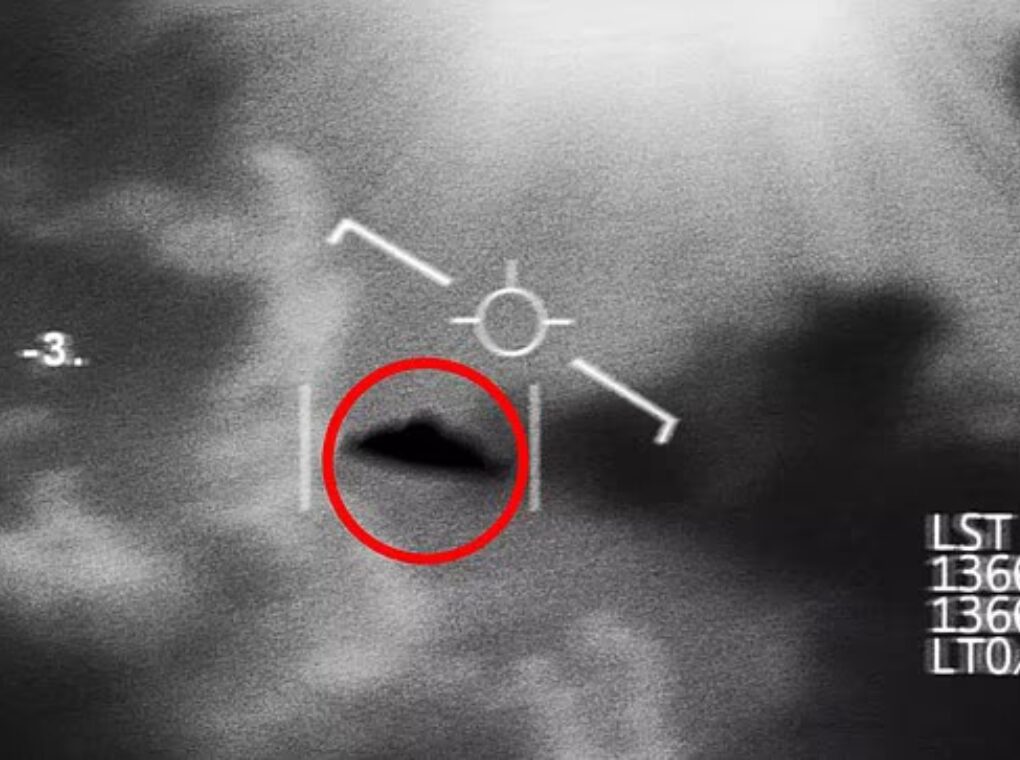
Trump Administration Releases UFO Files
The Pentagon released dozens of documents related to what the U.S. government officially calls “Unidentified Anomalous Phenomena,” or UAPs, after President Donald Trump reportedly directed Defense Secretary Pete Hegseth to declassify and publish the material.
The files reportedly contain military reports, radar data, pilot testimonies, investigative records, and historical sightings dating back to the 1950s. The release immediately sparked massive interest across social media platforms, where users began speculating about extraterrestrial life, advanced military technology, and alleged government cover-ups.
Trump promoted the disclosure as an act of transparency, encouraging Americans to examine the files and “decide for themselves what the hell is going on.”
However, the timing of the release has become a major topic of controversy.
Joe Rogan Raises Questions About Timing
Speaking with Republican Congressman Tim Burchett, Rogan suggested the administration may be attempting to shift public focus away from the ongoing Iran conflict.
“What doesn’t totally make sense is why now — disclosure?” Rogan asked during the podcast discussion.
“The Iran war is not going well. The American public’s upset. A lot of people don’t think we should ever have been involved in that in the first place. We need something to distract us.”
The comments immediately generated strong reactions online, especially among political commentators already critical of America’s expanding involvement in the Middle East.
Rogan, who previously endorsed Trump during the 2024 presidential election campaign, has increasingly expressed concern about military escalation and growing instability overseas. His criticism carries significant weight due to his enormous online audience and influence across conservative and independent political circles.
Iran Conflict Continues to Escalate
The UFO disclosure comes as the United States faces mounting pressure over its role in the escalating conflict involving Iran.
Recent tensions in the Strait of Hormuz — a strategically vital shipping route responsible for transporting nearly 20 percent of the world’s oil supply — have raised fears of broader regional instability. Reports of Iranian threats against shipping operations and continued military tensions have contributed to uncertainty in global energy markets.
Critics of the administration argue that the White House has struggled to present a clear long-term strategy regarding the conflict, while public frustration over foreign military involvement continues to grow.
Rogan’s remarks reflected concerns shared by many Americans who believe the government may be using sensational topics such as UFO disclosures to divert attention from unpopular geopolitical developments.
Tim Burchett Defends Disclosure Effort
Despite agreeing that the timing could appear suspicious, Congressman Burchett defended the release of the files and argued that Trump genuinely supports greater transparency.
Burchett has been one of the leading congressional voices demanding more government accountability regarding UFO investigations. He has repeatedly claimed that parts of the U.S. intelligence and defense establishment have withheld information from both lawmakers and the public.
During the podcast interview, Burchett insisted the issue is not about “little green men” but about understanding what government agencies have been researching and how taxpayer money has been spent.
According to Burchett, Americans deserve to know why certain agencies deny the existence of unexplained aerial phenomena while other branches within the government continue studying them.
He also warned listeners not to expect full transparency immediately, arguing that entrenched interests within the Pentagon and intelligence community remain resistant to releasing sensitive information.
Political Reactions Intensify
The UFO disclosure has also divided conservatives.
Former Congresswoman Marjorie Taylor Greene criticized the release, dismissing it as another political distraction designed to divert public attention away from more pressing domestic and international problems.
In a social media post, Greene said she had little interest in the files unless the government revealed definitive proof of extraterrestrial life or advanced technology.
Other critics online compared the situation to previous controversies involving the Epstein files, immigration crackdowns, and intelligence disclosures, arguing that dramatic media narratives often emerge during politically sensitive periods.
Supporters of the disclosure, however, argue that public interest in UFO investigations transcends politics and that decades of classified information deserve greater scrutiny.
Growing Public Distrust
The debate surrounding the UFO files highlights a broader issue currently shaping American politics: declining public trust in government institutions.
For many Americans, the controversy is no longer simply about extraterrestrials or mysterious flying objects. Instead, it reflects deeper concerns about secrecy, accountability, media manipulation, and the relationship between national security and public information.
Whether the Trump administration’s UFO file release represents genuine transparency or a calculated political distraction remains heavily debated.
But one thing is clear: the intersection of UFO disclosure, war politics, and public distrust has transformed the issue from a fringe conspiracy topic into a mainstream political flashpoint.