A large-scale wave of drone attacks targeting Russian territory has reignited tensions in the ongoing Russia–Ukraine conflict, with reports indicating that hundreds of unmanned aerial vehicles were launched toward Moscow and surrounding regions in one of the most significant strikes in recent months.
According to Russian authorities, air defense systems intercepted a substantial number of drones over the Moscow region overnight, with officials describing the assault as one of the largest coordinated UAV attacks since the escalation of the war. The incident triggered temporary disruptions across the capital, including flight delays, emergency alerts, and heightened security measures.
While official figures vary across reports, Russian municipal sources claimed that more than a hundred drones were intercepted in the Moscow airspace alone. Several residential areas on the outskirts of the capital reportedly experienced damage, and emergency services were deployed to multiple districts to assess the aftermath. Authorities also confirmed casualties and injuries, though independent verification of exact figures remains limited.
Moscow Faces Unprecedented Airspace Disruption
The drone assault led to temporary closures and disruptions at major airports serving the Russian capital, including Sheremetyevo and Vnukovo. Hundreds of flights were reportedly delayed or diverted as air defense systems engaged incoming UAVs throughout the night.
Local officials in Moscow described the situation as “massive and unprecedented in scale,” highlighting the strain placed on civilian infrastructure as interception systems worked continuously across multiple zones. Residential buildings in several suburbs, including Khimki and Istra, were reportedly affected by debris and shockwaves from intercepted drones.
In addition to civilian disruption, Russian energy infrastructure also came under scrutiny following reports of a nearby strike attempt on facilities linked to the Moscow region’s oil processing network. While no confirmed large-scale shutdown of national production has been independently verified, speculation about potential economic impact has circulated widely across international media.
Timing Raises Geopolitical Questions
What has drawn global attention beyond the battlefield itself is the timing of the attack. The drone offensive coincided with a period of heightened diplomatic activity involving major global powers, including high-level engagements between the United States and China, as well as ongoing discussions related to Middle East stability and Iran-related tensions.
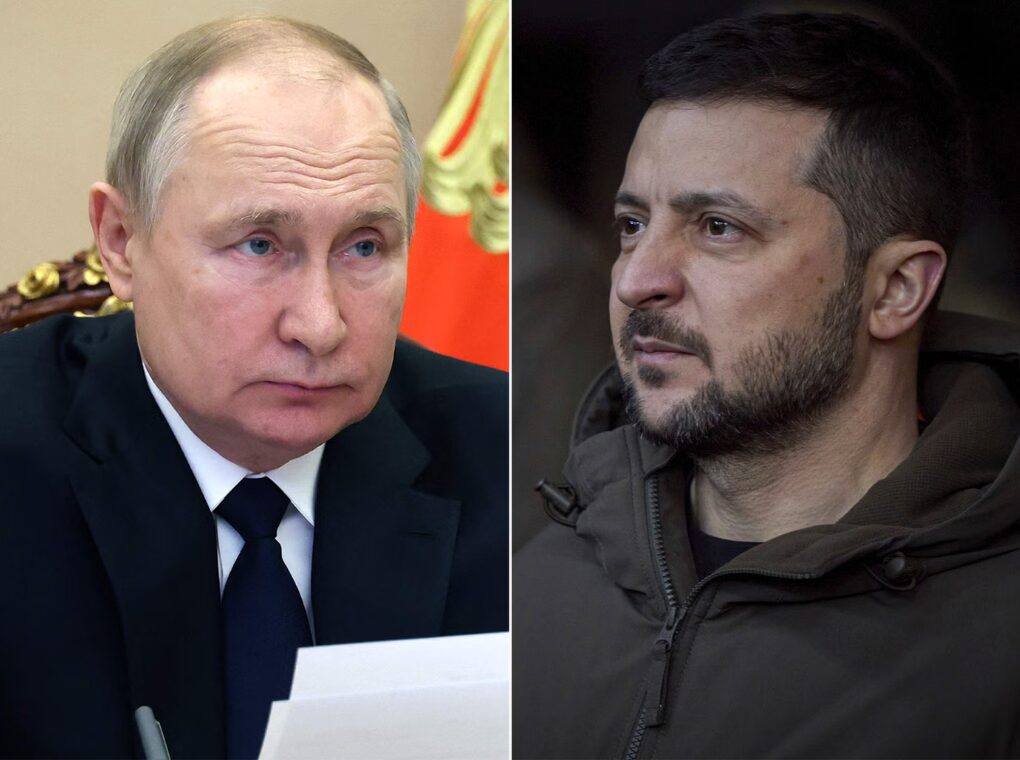
Ukrainian President Volodymyr Zelenskyy has previously emphasized Ukraine’s strategy of sustaining pressure on Russian military infrastructure deep inside its territory. However, analysts note that the scale and timing of this particular wave of attacks have intensified debate over whether Ukraine is attempting to shift strategic momentum at a moment when global attention is divided across multiple crises.
Meanwhile, Russian President Vladimir Putin has consistently framed such drone incursions as evidence of what he calls Western-backed escalation, though Western governments continue to deny direct operational involvement in Ukrainian strikes on Russian soil.
Impact on Civil Aviation and Civilian Life
The immediate consequences of the attack were felt most strongly in Moscow’s transport and civilian sectors. Flight operations were temporarily suspended or rerouted as air defense systems engaged incoming drones. Passengers at major airports reported long delays and last-minute cancellations.
In residential districts surrounding the capital, local authorities reported scattered damage to apartment blocks, private homes, and infrastructure caused either by drone impacts or falling debris from intercepted UAVs. Emergency response teams were deployed across multiple zones throughout the night to ensure civilian safety and restore normal conditions.
Broader Strategic Context
The escalation comes at a time when global diplomatic focus has been increasingly fragmented. The United States, under President Donald Trump, along with other international stakeholders, has been engaged in parallel discussions on Iran, global energy security, and broader geopolitical stability. This overlapping set of crises has created a highly complex international environment, where multiple conflicts are influencing one another indirectly through economic, military, and diplomatic channels.
Some geopolitical analysts argue that the intensification of strikes inside Russia reflects Ukraine’s attempt to maintain strategic relevance amid shifting global priorities. Others caution against over-interpreting timing, emphasizing that battlefield decisions are often driven by intelligence opportunities and operational readiness rather than external diplomatic calendars.
Competing Narratives and Information War
As with many high-intensity conflict events, narratives surrounding the drone attack vary significantly depending on the source. Ukrainian officials typically frame such operations as legitimate strikes against military or logistical infrastructure supporting Russia’s war effort. Russian authorities, meanwhile, emphasize civilian disruption and air defense success in intercepting incoming threats.
Independent verification of casualty figures, damage assessments, and operational intent remains limited due to restricted access to affected zones and the ongoing nature of the conflict.
The latest drone offensive targeting Moscow underscores the evolving nature of modern warfare, where long-range unmanned systems are increasingly shaping both battlefield outcomes and psychological pressure on civilian populations.
While the full strategic implications of the attack are still unfolding, the incident has clearly intensified an already volatile geopolitical landscape—one where conflicts in Europe, the Middle East, and broader global diplomacy continue to intersect in unpredictable ways.