A month after US President Donald Trump publicly announced — and later abandoned — a plan to escort commercial ships through the strategically critical Strait of Hormuz, the United States appears to be quietly reviving maritime security efforts through a less visible approach.
Rather than launching a high-profile military operation that could intensify tensions with Iran, the US military is reportedly working discreetly with commercial shipping operators to ensure safe passage through one of the world’s most important maritime chokepoints. The effort comes amid heightened regional instability and renewed concerns over global energy security.
A Quiet Shift in Strategy
The latest US strategy marks a notable departure from the previously proposed **“Project Freedom,”** an initiative unveiled by President Donald Trump in early May. The plan aimed to escort commercial vessels through the Strait of Hormuz under direct US military protection but quickly drew backlash from Iran and concerns among Gulf allies who feared escalation.
Trump eventually stepped back from the proposal after regional partners reportedly urged caution to preserve a fragile ceasefire between Washington and Tehran.
Now, instead of openly challenging Iran in the Persian Gulf, the Pentagon appears to be pursuing what analysts describe as a “quiet protection” model.
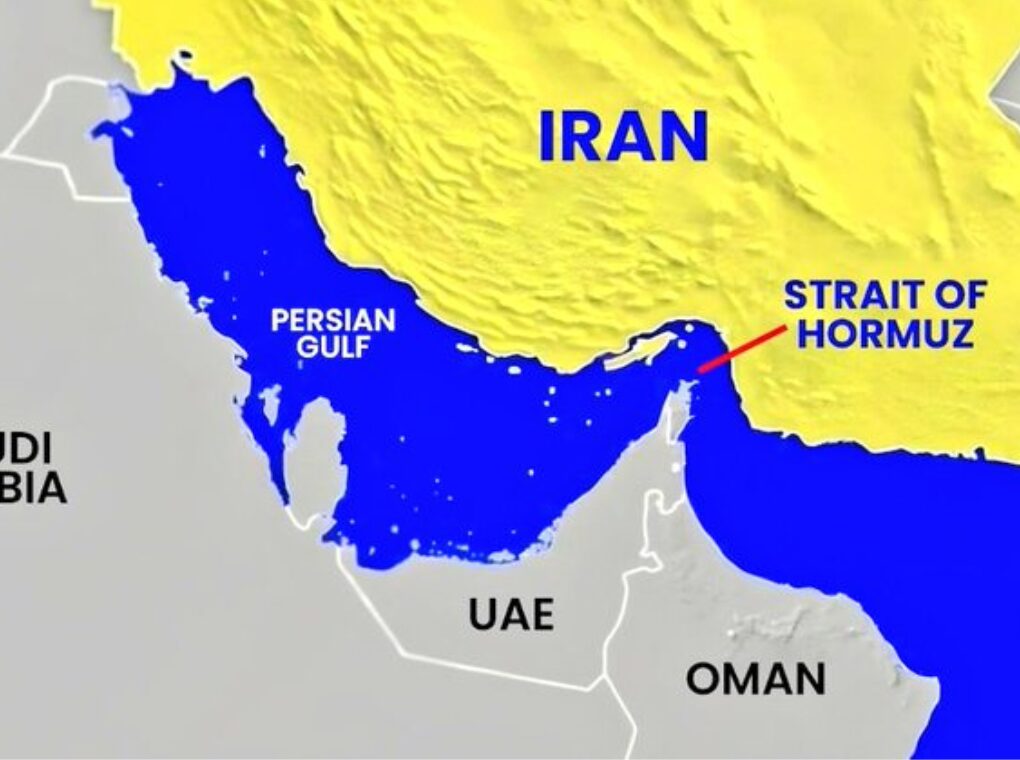
According to evidence gathered from statements by US Central Command (CENTCOM), ship-tracking data, and sources familiar with maritime transits, some commercial vessels are reportedly navigating closer to Oman’s southern coastline while turning off their **Automatic Identification System (AIS)** transponders to reduce visibility to potential Iranian threats.
The approach is believed to help ships avoid Iranian naval surveillance and possible sea mines in contested waters.
US Military Assistance Behind the Scenes
While the US Navy has denied restarting formal escort missions, officials have acknowledged active coordination with shipping companies.
“Though US forces are not escorting, we continue to communicate and coordinate with commercial ships seeking to freely and safely transit the Strait of Hormuz, a critical international corridor for regional and global economies,” US Central Command public affairs director Navy Captain **Tim Hawkins** said in a statement earlier this week.
The comments reflect a subtle but important shift in Washington’s public messaging.
Late last month, CENTCOM had dismissed reports suggesting the US Navy had resumed escort operations, calling such claims “false.” However, recent statements indicate that military coordination is taking place behind the scenes.
Reports suggest that US forces have already intervened during certain maritime incidents. In one case, a commercial vessel reportedly encountered suspected Iranian fast attack boats during transit, after which military helicopters allegedly appeared and forced the vessels to retreat.
US Defense Secretary **Pete Hegseth** also hinted at undisclosed military actions over the weekend, saying maritime traffic would recover because of “what we’re able to do, and are doing — whether it’s known or unknown — in the strait.”
### Escalation in US-Iran Maritime Tensions
The latest developments unfolded alongside a new flare-up between Washington and Tehran.
On Tuesday night, CENTCOM announced that American forces had shot down Iranian attack drones allegedly targeting civilian maritime traffic in regional waters. The US military also confirmed carrying out “self-defense strikes” on an Iranian military ground-control station.
The incidents underscore rising tensions over maritime security in the Gulf, where the Strait of Hormuz remains one of the world’s most strategically sensitive waterways.
Experts believe the US military’s advanced naval capabilities may be enabling remote protection without visible escorts.
According to naval expert Steve Wills of the Navy League’s Center for Maritime Strategy, Navy vessels equipped with the AEGIS missile defense system, combined with airborne early-warning aircraft such as the E-2D Hawkeye, allow American forces to maintain surveillance and provide indirect protection.
“This makes possible a kind of distant but direct coverage” of the strait, Wills explained.
Marco Rubio Rejects Sanctions Relief for Iran
Meanwhile, US Secretary of State Marco Rubio ruled out any possibility of easing sanctions on Iran in exchange for reopening the Strait of Hormuz.
Testifying before the Senate Foreign Relations Committee, Rubio stated that Washington would not reward actions that jeopardize global shipping routes and energy supplies.
“The United States is not going to provide sanctions relief simply because Iran decides to reopen the Strait of Hormuz,” Rubio said, emphasizing that any relief would only be tied to Iran abandoning its nuclear ambitions.
Rubio also accused Iran of laying mines across portions of the waterway, allegations that further raise concerns over the security of maritime transit.
He additionally expressed concerns over reports of alleged discussions involving Oman and Iran regarding possible joint oversight or shipping toll arrangements in the strait — developments Washington reportedly views with caution.
Strait of Hormuz Matters of Strategic importance
The Strait of Hormuz is one of the world’s most crucial energy corridors, through which nearly a fifth of global oil supplies and significant volumes of liquefied natural gas (LNG) pass every day.
Any disruption to shipping in the narrow waterway could trigger major volatility in global energy prices and disrupt international trade.
While shipping traffic remains lower than usual, maritime observers say confidence may gradually return if the quiet US protection measures prove effective.
For now, Washington appears determined to maintain pressure on Iran while avoiding a direct military confrontation — relying instead on discreet coordination, surveillance, and rapid-response capabilities to keep one of the world’s busiest shipping routes operational.