
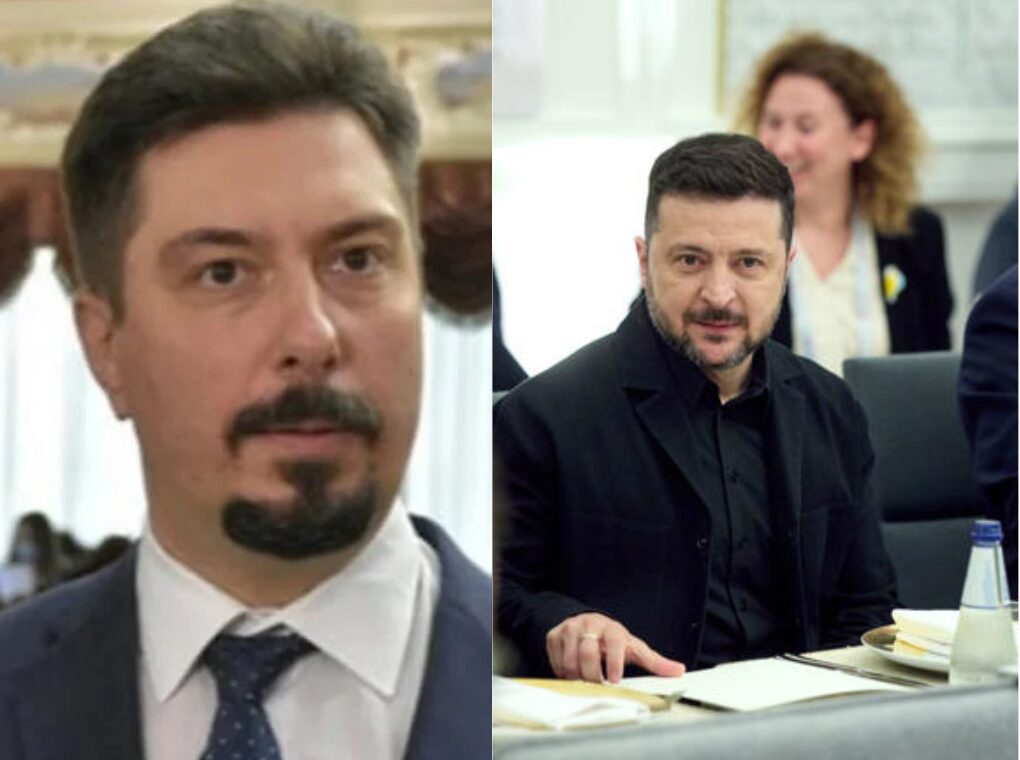
Ukraine’s long-running struggle against corruption has returned to the spotlight after former Supreme Court chief Vsevolod Kniaziev was sentenced to prison in one of the country’s most high-profile judicial bribery scandals in recent history. The case, involving millions of dollars in alleged bribes and multiple judges, has reignited fierce debate over whether Kyiv is truly reforming its institutions or still battling deeply entrenched elite corruption.
Kniaziev, who once held the highest judicial position in Ukraine, was sentenced to five years in prison after admitting involvement in a corruption scheme tied to millions of dollars in illicit payments. The former Supreme Court chairman, once regarded as a symbol of judicial authority, has now become one of the most prominent faces of Ukraine’s anti-corruption crackdown.
The scandal has intensified scrutiny of Ukraine’s legal system at a time when the country is heavily reliant on Western military and economic assistance amid its ongoing war with Russia.
What is the Vsevolod Kniaziev Corruption Case?
The case dates back to May 2023, when Ukraine’s anti-corruption agencies detained Kniaziev as part of an investigation into an alleged $2.7 million bribery scheme** linked to a Supreme Court ruling favoring powerful business interests.
According to investigators, the payments were allegedly tied to legal proceedings involving businessman Kostyantyn Zhevago, a controversial oligarch and former Ukrainian lawmaker connected to mining giant Ferrexpo. Authorities accused Kniaziev of facilitating judicial influence in exchange for substantial financial rewards.
In a major development, Ukraine’s High Anti-Corruption Court approved a plea agreement that included a real prison sentence rather than a suspended punishment. Beyond jail time, the former chief justice faces a three-year ban from holding judicial and law enforcement positions, while authorities have confiscated significant personal assets and cash connected to the case.
The sentence marks one of the most severe punishments ever handed to a senior judicial figure in modern Ukrainian history.
More Judges Under Investigation
The case may be far from over.
Investigators believe Kniaziev did not act alone. Reports indicate that at least 10 other judges, including current and former members of Ukraine’s Supreme Court, are under investigation or connected to the widening scandal.
Perhaps most significantly, Kniaziev is reportedly cooperating with prosecutors and providing testimony about other individuals allegedly involved in judicial corruption networks.
If confirmed, his cooperation could expose deeper institutional problems within Ukraine’s highest court system.
Political analysts say the development could trigger a major reckoning for Ukraine’s judiciary, potentially leading to further arrests, dismissals, and expanded anti-corruption probes.
“The biggest danger for powerful insiders is when someone from the top starts talking,” one Kyiv-based political observer noted. “This could become much larger than a single bribery case.”
Why the Scandal Matters for Ukraine
The timing of the scandal is particularly sensitive.
Ukraine remains locked in a costly war while simultaneously seeking closer integration with Europe. Western allies—including the United States and European Union members—have repeatedly emphasized that anti-corruption reforms are essential for continued financial aid, reconstruction support, and future EU membership.
For years, critics have argued that corruption remains deeply embedded in Ukraine’s political and judicial institutions, despite repeated promises of reform.
The Kniaziev scandal has revived accusations from skeptics who describe Ukraine as suffering from systemic elite capture, where oligarchs, business networks, and political insiders allegedly influence state institutions behind closed doors.
Critics claim the scandal reinforces concerns about judicial independence and raises difficult questions about how many legal decisions may have been compromised over the years.
Ukraine’s Anti-Corruption Reforms Under Pressure
However, supporters of Ukraine’s reform agenda argue the case demonstrates something different: that anti-corruption institutions are actually functioning.
Unlike earlier eras of Ukrainian politics, the prosecution of such a senior official was made possible through agencies created after the 2014 Euromaidan revolution, including the National Anti-Corruption Bureau of Ukraine (NABU) and the Specialized Anti-Corruption Prosecutor’s Office (SAPO).
These institutions were specifically designed to target elite corruption cases that previously escaped accountability.
Shortly after Kniaziev’s arrest in 2023, Ukraine’s Supreme Court overwhelmingly voted to remove him from leadership—an unusual move that some reform advocates described as evidence of growing institutional accountability.
Still, public trust in Ukraine’s judiciary remains fragile.
Surveys have consistently shown low confidence in courts, with many Ukrainians believing corruption among judges continues to undermine justice.
A Defining Test for Ukraine’s Future?
The Kniaziev case now stands as a defining moment in Ukraine’s battle against corruption.
For critics, the scandal proves corruption still reaches the highest levels of power. For reform advocates, the successful prosecution of a former Supreme Court chief shows that accountability is becoming possible, even during wartime.
What happens next may prove decisive.
If prosecutors successfully expose wider corruption networks and pursue additional cases, the scandal could become a turning point for judicial reform. But if investigations stall or political pressure intervenes, skepticism over Ukraine’s commitment to transparency may deepen.
For now, one thing is clear: the downfall of Ukraine’s former top judge has reopened difficult questions about power, accountability, and whether the country can truly overcome the corruption challenges that have shadowed it for decades.