As the Russia-Ukraine war drags into yet another year, something unusual is happening in Europe. The rhetoric remains aggressive. The sanctions remain in place. The speeches about standing with Kyiv continue. But behind the scenes, subtle signals suggest that Europe may be confronting an uncomfortable reality — the continent cannot afford endless confrontation with Russia while simultaneously navigating an escalating energy crisis.
And now, NATO’s own top military commander has added fuel to a debate European elites may not want to have publicly.
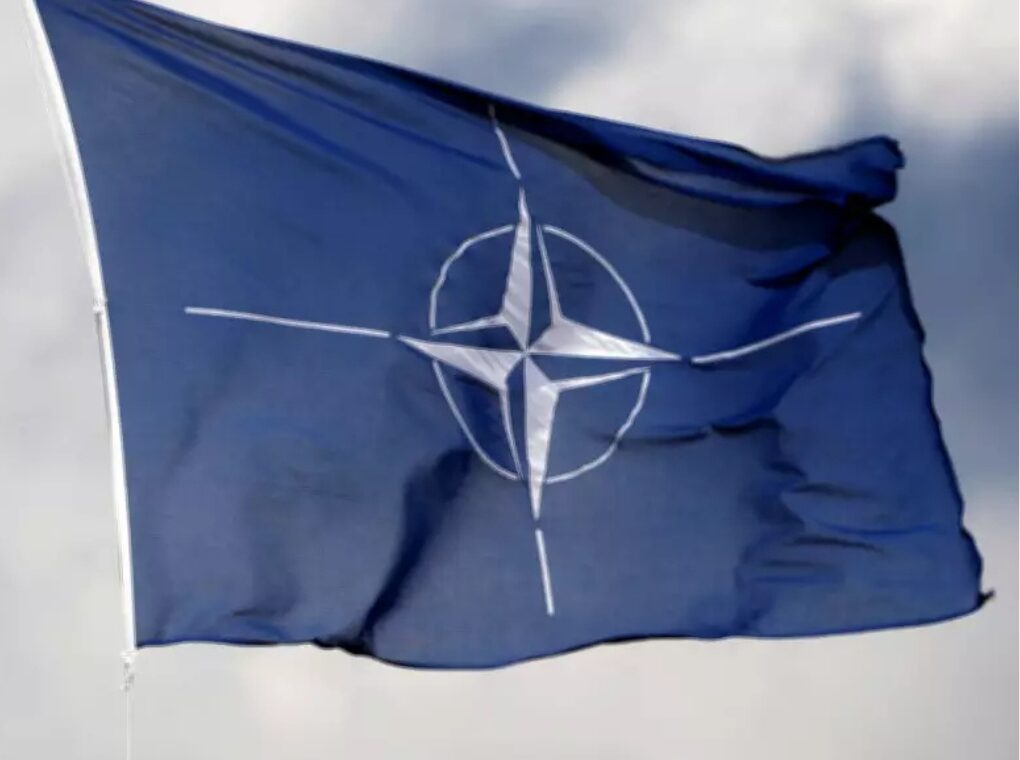
At the ILA Berlin Air Show, NATO’s Supreme Allied Commander Europe, General Alexus Grynkewich, made remarks that immediately stood out against the prevailing narrative dominating European politics. Speaking candidly, Grynkewich stated that Russia is “not looking for a conflict” with NATO and understands the meaning of a defensive alliance.
That statement matters.
This is not a fringe analyst, retired diplomat, or television commentator. This is the highest-ranking military officer overseeing NATO operations in Europe — someone with direct access to alliance intelligence and strategic assessments.
For years, European capitals have warned citizens that confrontation with Russia may be inevitable. Defence budgets have exploded. Governments have intensified military preparedness. Politicians repeatedly warn that Europe must prepare for the possibility of a wider conflict by the end of the decade.
Germany’s military leadership has openly discussed readiness for potential confrontation with Russia by 2029. Several Eastern European leaders have urged NATO to adopt a more muscular posture. Lithuania has pushed for stronger deterrence signals near Kaliningrad. Czech leadership has repeatedly emphasized military preparedness.
Yet, NATO’s top commander appears to be delivering a more measured assessment.
If Russia is not actively seeking conflict with NATO, as Grynkewich suggests, then an uncomfortable question emerges: has Europe overestimated the immediacy of the threat while underestimating the economic consequences of prolonged escalation?
Europe’s Energy Gamble Is Becoming Increasingly Expensive
When Russia launched its military operation in Ukraine in 2022, Europe embarked on a dramatic energy divorce from Moscow.
Russian oil and gas, once central to European energy security, suddenly became politically toxic. European governments rushed to diversify imports, turning toward the Middle East, the United States, Norway, and liquefied natural gas suppliers.
The transition was painful but manageable — until new instability in the Middle East complicated everything.
Disruptions tied to tensions around the Strait of Hormuz, one of the world’s most important oil transit chokepoints, have intensified fears across global energy markets. For Europe, this creates a dangerous equation: dependence on alternative suppliers is becoming increasingly expensive at the exact moment inflation fatigue is already straining households.
Fuel costs, industrial competitiveness, and energy security remain politically explosive issues inside the European Union.
That reality has triggered growing speculation about whether parts of Europe may eventually seek a quieter, pragmatic reset with Russia — not necessarily through public declarations, but through gradual political repositioning.
Could Russian energy become politically acceptable again if Europe faces mounting economic pain?
The question is no longer unthinkable.
Europe and Russia: Quiet Diplomacy Behind Closed Doors?
Another significant development occurred in Moscow, where ambassadors from Britain, France, and Germany reportedly met Russian Deputy Foreign Minister Mikhail Galuzin to discuss positions surrounding the Ukraine conflict.
The diplomatic engagement itself is noteworthy.
Publicly, European governments continue supporting Kyiv militarily and financially. But diplomatic outreach suggests that major European powers understand the war cannot continue indefinitely without some negotiated framework eventually emerging.
However, Moscow remains deeply skeptical.
Russian officials have repeatedly argued that countries simultaneously arming Ukraine cannot credibly position themselves as neutral mediators. Moscow insists that any future settlement must account for what it describes as “territorial realities” and broader security demands, including Ukrainian neutrality and protections for Russian-speaking populations.
Russia’s Foreign Minister Sergei Lavrov has openly questioned Western sincerity regarding peace initiatives, arguing that many proposals merely seek to freeze the conflict while maintaining military pressure on Moscow.
From the Kremlin’s perspective, Europe spent years escalating tensions while refusing meaningful negotiations.
Now, with Washington increasingly focused on other geopolitical theatres and domestic political uncertainty, Europe may find itself in a more vulnerable negotiating position than it occupied in 2022.
Are European Leaders Ignoring Their Own Military Advice?
Perhaps the most politically sensitive aspect of this debate lies in the widening contrast between military assessments and political rhetoric.
Former German Navy chief Vice Admiral Kay-Achim Schoenbach recently warned that Europe risks “sleepwalking” into becoming a direct belligerent in the conflict. According to him, long-term European stability can only be achieved “with, and not against, Russia.”
That sentiment echoes a growing school of strategic thinking across parts of Europe — one that argues permanent hostility toward Russia is economically unsustainable and strategically dangerous.
Meanwhile, NATO governments continue increasing defence spending while warning citizens of potential future confrontation.
The contradiction is difficult to ignore.
If NATO’s Supreme Commander genuinely believes Russia is not seeking direct conflict with the alliance, why does Europe continue preparing politically for an almost inevitable showdown?
And if Europe eventually needs Russian energy again, how long before geopolitical realities begin overtaking moral posturing?
Is Europe Quietly Recalculating Its Ukraine Strategy?
None of this means Europe is abandoning Ukraine tomorrow.
Public support structures remain in place. Military aid continues. Sanctions are still active.
But geopolitics has always been driven by interests as much as ideals.
And interests change when economic pain deepens.
Europe today faces inflationary pressures, energy uncertainty, military overstretch concerns, and growing domestic fatigue over a war with no clear endpoint. At the same time, Russia appears increasingly confident that time is working in its favor.
The larger question may no longer be whether Europe supports Ukraine.
It may be how long Europe believes it can sustain its current strategy without quietly reopening channels it once swore would remain permanently closed.
Because in geopolitics, principles often last exactly as long as affordability allows.