The United States and Iran have reportedly reached a landmark peace agreement aimed at ending nearly four months of military confrontation, reopening the strategically critical Strait of Hormuz, and easing tensions across the Middle East. However, major questions remain over the details of the agreement, as several reported provisions have not yet been independently verified by either Washington or Tehran.
Ahead of the official signing ceremony scheduled for June 19 in Switzerland, Iran’s semi-official Mehr News Agency released what it described as the draft contents of a 14-point memorandum of understanding (MoU) between the two countries. The reported terms include a permanent ceasefire, sanctions relief, reopening of Hormuz, and a massive reconstruction package for Iran worth at least $300 billion.
While the proposed agreement could reshape Middle East geopolitics and stabilize global oil markets, officials from both sides have only publicly confirmed limited aspects of the deal so far.
What is Reportedly Included in the Iran-US 14-Point Deal?
According to Iranian state-linked media reports, the draft memorandum includes several major provisions designed to halt hostilities and normalize regional trade and energy flows.
1. Permanent Ceasefire Across All Fronts
The agreement reportedly establishes an immediate and permanent ceasefire, including military operations connected to regional flashpoints such as Lebanon, where tensions involving Iran-backed Hezbollah and Israel had threatened to derail negotiations.
The ceasefire is expected to halt direct and proxy military actions that intensified during the conflict.
2. Reopening of the Strait of Hormuz
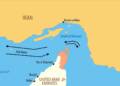
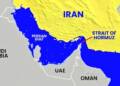
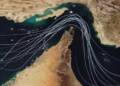
One of the most significant aspects of the reported deal is the reopening of the Strait of Hormuz, one of the world’s most important energy chokepoints.
The draft calls for:
>The reopening of Hormuz within 30 days
>Removal of blockades affecting maritime traffic
>Resumption of global shipping under Iranian security arrangements
US President Donald Trump confirmed that shipping routes would reopen without tolls or additional charges on commercial vessels.
Hormuz carries roughly 20% of global oil and liquefied natural gas (LNG) trade, meaning the reopening could ease supply disruptions that pushed oil prices sharply higher during the conflict.
3. Lifting of US Naval Blockade
The memorandum requires Washington to remove its naval blockade around Iranian ports within 30 days, allowing maritime trade and energy exports to resume.
Trump also publicly stated that the United States had agreed to remove restrictions affecting Iranian shipping.
4. End to Oil and Energy Sanctions
Iranian reports suggest the agreement includes the lifting of sanctions on Iranian oil and energy exports, a major demand from Tehran.
If implemented, sanctions relief could allow Iranian crude exports to return to international markets and help cool global energy prices, which surged after Hormuz disruptions.
European powers have also reportedly indicated willingness to reconsider sanctions in exchange for stronger nuclear guarantees from Tehran.
5. $300 Billion Reconstruction Package for Iran
Among the most striking claims is a reported commitment by the United States and allied countries to support Iran’s reconstruction with investments worth at least $300 billion.
The funds would reportedly help rebuild damaged infrastructure after months of conflict.
However, no US official has publicly confirmed this figure.
6. Nuclear Commitments
The memorandum reportedly reiterates Iran’s commitment not to develop nuclear weapons, a central demand from Washington and European powers.
European nations including the UK, France, Germany and Italy reportedly stated they are prepared to work with Iran and international inspectors to ensure Tehran does not acquire nuclear weapons.
7. US Military Restrictions in the Region
Iranian media reports also claim the agreement includes:
>A US pledge not to expand military presence in the region
>No new sanctions against Iran
>A commitment not to interfere in Iran’s internal affairs
>Withdrawal of US forces from Iranian territory
These terms remain unverified by independent sources.
What Has Been Officially Confirmed?
Despite widespread reporting about the draft agreement, only certain elements have been publicly acknowledged by leaders involved in negotiations.
Pakistan Prime Minister Shehbaz Sharif, who reportedly helped mediate talks, confirmed that the peace agreement had been reached and announced that the signing ceremony is expected to take place on June 19 in Switzerland.
US President Donald Trump also confirmed that an agreement had been finalized and announced the reopening of the Strait of Hormuz alongside the removal of the US naval blockade.
Iran’s Supreme National Security Council additionally confirmed that a memorandum of understanding had been finalized, stating military operations would cease immediately.
However, specific provisions such as the $300 billion reconstruction package, sanctions removal timeline, and broader military commitments have not yet been independently verified by either government.
Why the Strait of Hormuz Matters
The reopening of Hormuz is considered one of the most economically significant outcomes of the agreement.
Since the conflict erupted in February, restrictions in the waterway disrupted the movement of crude oil, LNG, fertilizers and other essential commodities, worsening inflation concerns globally.
Energy analysts estimate nearly 60 million barrels of oil remained stranded in floating storage during the blockade, creating severe supply constraints.
Although markets welcomed news of a reopening, analysts warn that shipping and insurance risks may continue for months due to lingering geopolitical uncertainty.
Can the Peace Last?
While the deal may end immediate fighting, analysts caution that deeper disputes remain unresolved.
Questions surrounding Iran’s nuclear program, Hezbollah’s future role in Lebanon, and regional military influence continue to pose risks of renewed tensions.
For global markets, the agreement offers immediate relief — especially for energy-importing nations — but long-term stability will likely depend on whether both sides fully implement the terms and avoid future escalation.
With oil flows expected to resume after Friday’s signing ceremony, the world is now watching closely to see whether this fragile diplomatic breakthrough can deliver lasting peace in one of the Middle East’s most volatile rivalries.