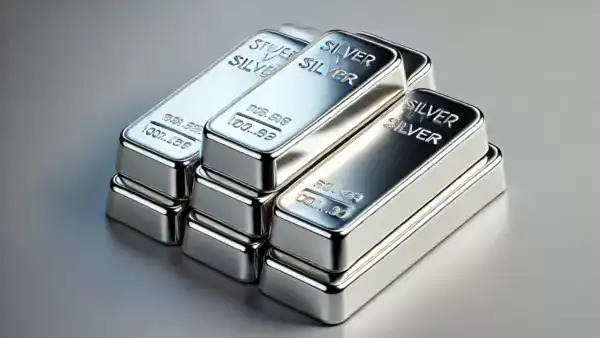
Silver has quietly built its own dedicated following among Indian buyers, valued both for its use in jewellery and utensils and for its role as an accessible investment metal. Before making any purchase decision, many buyers now check the Silver Rate Today to understand current market conditions, since this metal tends to be more volatile than gold and can shift noticeably even within short timeframes.
Understanding What Pus`hes Silver Prices Up or Down
Unlike gold, silver has dual demand drivers—it’s both a precious metal and an industrial commodity, which makes its pricing behavior somewhat unique. Key influencing factors include:
- Industrial demand, particularly from electronics and solar panel manufacturing
- Global silver mining output and supply chain disruptions
- US dollar movements, since silver is internationally priced in dollars
- Investor sentiment, especially during periods of economic uncertainty
- Domestic import duties set by Indian trade policy
Because industrial demand plays such a large role, silver prices can sometimes move independently of gold, even though both are precious metals.
Purity Levels and Their Role in Pricing
Silver, much like gold, comes in varying purity levels that directly affect its market value:
- 999 Fine Silver – the purest form, commonly used for bars and coins
- 925 Sterling Silver – widely used for jewellery due to added strength from alloy metals
- 900 Silver – occasionally used in decorative items and certain regional crafts
Buyers should always verify purity markings before purchasing, as this significantly influences both durability and resale value.
Additional Charges Beyond the Base Silver Rate
Similar to gold, the quoted silver rate per gram or per kilogram doesn’t represent the final purchase price. Buyers typically encounter:
- Making charges, which vary based on craftsmanship and item complexity
- GST, applied to both the metal value and labor costs
- Wastage charges, sometimes added by certain jewellers for intricate designs
Requesting a clear, itemized bill helps buyers understand exactly how the final amount is calculated rather than assuming the displayed rate is the complete cost.
Why Silver Prices Vary From City to City
Just like other precious metals, silver pricing isn’t uniform across India. Local taxation structures, transportation logistics, and regional demand patterns all contribute to city-specific variations. Buyers based in the capital region often find it more practical to check the Silver Rate Today in Delhi directly, since northern market pricing can differ from southern or western regions due to variations in local trading practices and demand intensity.
Seasonal Buying Trends Worth Watching
Silver demand in India follows noticeable seasonal patterns, often tied to cultural and religious occasions:
- Dhanteras, traditionally considered auspicious for buying silver coins and utensils
- Diwali, when silver gifting becomes especially common
- Wedding season, particularly for silver jewellery and gifting items
- Regional festivals, where silver utensils are often purchased for ceremonial use
During these periods, heightened demand can occasionally create short-term upward pressure on local prices.
Different Ways Investors Approach Silver
Beyond traditional jewellery and utensils, silver has increasingly become a recognized investment option. Common approaches include:
- Physical silver bars and coins for long-term holding
- Silver ETFs, which allow exposure without physical storage concerns
- Digital silver platforms, enabling smaller, fractional investments
- Silverware and decorative items, which combine utility with asset value
Each method carries different considerations around storage, liquidity, and long-term appreciation potential, making it important for buyers to align their choice with personal financial objectives.
Smart Habits for Tracking Silver Prices
Building a consistent approach to monitoring silver rates can help buyers make more confident decisions. Useful habits include:
- Checking rates at a fixed time daily for accurate comparisons
- Cross-referencing prices across multiple trusted platforms
- Separating metal value from making charges when evaluating cost
- Following industrial demand news, since it often signals upcoming price shifts
Over time, these habits allow buyers to better anticipate favorable buying windows rather than making rushed or reactive purchasing decisions.