In a move through which the West hopes ut can escalates economic pressure on Moscow, the United Kingdom this week announced sanctions on Russian oil giants Rosneft and Lukoil, alongside targeting dozens of vessels and entities involved in the so-called “shadow fleet” transporting Russian crude. The UK sanctions aim to reduce Russia’s energy revenues amid the ongoing Ukraine conflict—but the ripple effects are now bound to be global.
The United States has also turned up the heat, reportedly urging G7 allies to impose tariffs as high as 100% on countries like India and China that continue to import Russian oil.
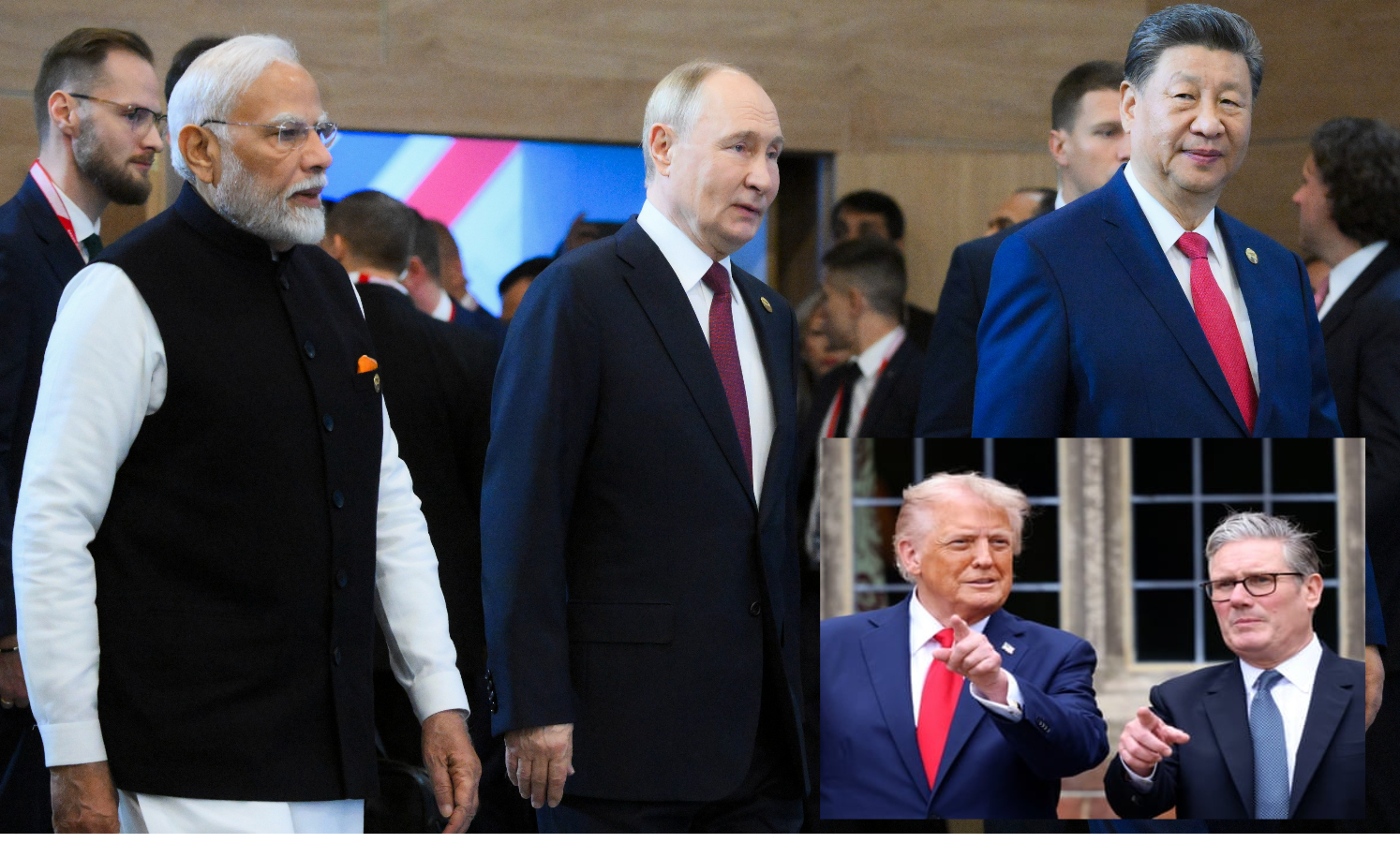
Now, with India, China, and Russia pushing back, tensions between the West and the emerging BRICS bloc are intensifying—raising questions over whether this strategy could backfire, and whether the world is headed for a deeper economic divide.
What the UK and US Have Done
UK Sanctions (Oct 15):
Blacklisted Rosneft, Lukoil, 4 Chinese oil terminals, 44 tankers in the shadow fleet, and Indian energy firm Nayara Energy (partly owned by Rosneft).
Intended to choke off unofficial energy trade routes and dry up Russia’s oil income.
US Pressure Campaign:
Pushing G7 partners to impose secondary sanctions or high tariffs on countries like India and China that purchase discounted Russian oil.
Specifically targeting entities believed to be helping Russia bypass the G7 price cap.
India’s Response: “No Double Standards”
India, now the largest buyer of Russian oil, has firmly rejected the UK’s unilateral sanctions.
“We do not recognize unilateral sanctions. Only those passed through legitimate multilateral channels like the UN are valid,” said an Indian Foreign Ministry spokesperson.
India emphasized its energy security and economic priorities, calling out the West’s “double standards” and warning that pressuring developing nations could harm global energy affordability. Despite scrutiny, India continues to import Russian crude in large quantities, citing favorable pricing and stable supply.
However, Indian refiners like MRPL are reportedly exploring alternate sources to reduce risk exposure, including increased imports from the US and Middle East.
China’s Quiet Calculus
China, another key buyer of Russian oil, has maintained a lower profile but faces similar pressure. Several Chinese oil terminals were sanctioned by the UK for facilitating Russian exports. China has not publicly condemned the sanctions but is expected to:
Expand yuan-based oil trade, reducing reliance on the US dollar.
Use its domestic infrastructure to shield its firms from Western financial exposure.
Continue importing discounted Russian oil so long as logistics and payment mechanisms remain viable.
Could the UK Strategy Backfire?
While the sanctions are meant to weaken Russia economically, analysts warn of potential blowback:
Global Energy Prices May Rise:
Reducing Russia’s export capacity through sanctions and shadow fleet disruption could tighten supply, pushing oil prices higher—a risk for inflation-sensitive economies, including those in the West.
Secondary Sanctions Risk:
If the US follows through with secondary sanctions on Indian or Chinese firms, it could strain ties with major Asian economies.
Sanctions Evasion Accelerating:
Russia is already leaning heavily on shadow fleets, transshipment, and alternate insurance. These routes may become even more opaque, increasing market risks.
BRICS Rising: Toward a New Bloc?
The sanctions have become a rallying point for BRICS countries, who see the West’s moves as overreach. In response:
India, China, and Russia are expanding bilateral oil trade in local currencies (rupee, yuan, ruble), bypassing the dollar system.
New financial infrastructure—like BRICS-led payment systems—are in development to reduce Western leverage.
BRICS is increasingly presenting itself as a counterweight to the G7, with calls for a multipolar economic order.
The UK and US efforts to isolate Russia’s energy sector may succeed in tightening financial pressure. But the pushback from India, China, and other BRICS members is reshaping the global energy and financial order in ways the West may not have fully anticipated.
What began as sanctions against a war effort could evolve into a new economic cold war—with BRICS nations not only resisting but building alternative structures that may permanently alter how energy and trade flow across the world