In a sudden strategic shift, Donald Trump has announced a temporary pause to the United States’ naval escort mission—dubbed “Project Freedom”—in the vital Strait of Hormuz, raising fresh questions about whether a broader diplomatic breakthrough with Iran is within reach.
The move comes just two days after the high-profile initiative was launched, underscoring the volatile and rapidly evolving nature of the crisis in one of the world’s most critical energy chokepoints.
What Was ‘Project Freedom’?
“Project Freedom” was introduced as a US-led maritime security operation aimed at escorting commercial vessels through the Strait of Hormuz—a narrow passage that carries nearly 20% of global oil shipments. The initiative followed months of escalating tensions after a US-Israel military campaign against Iran earlier this year triggered retaliatory actions from Tehran.
The operation was framed by Trump as a “humanitarian effort” to assist stranded ships and restore global shipping flows disrupted by Iran’s de facto blockade of the strait. At the peak of the crisis, over 1,500 vessels and more than 22,000 seafarers from dozens of countries were reportedly stuck in the Gulf region.
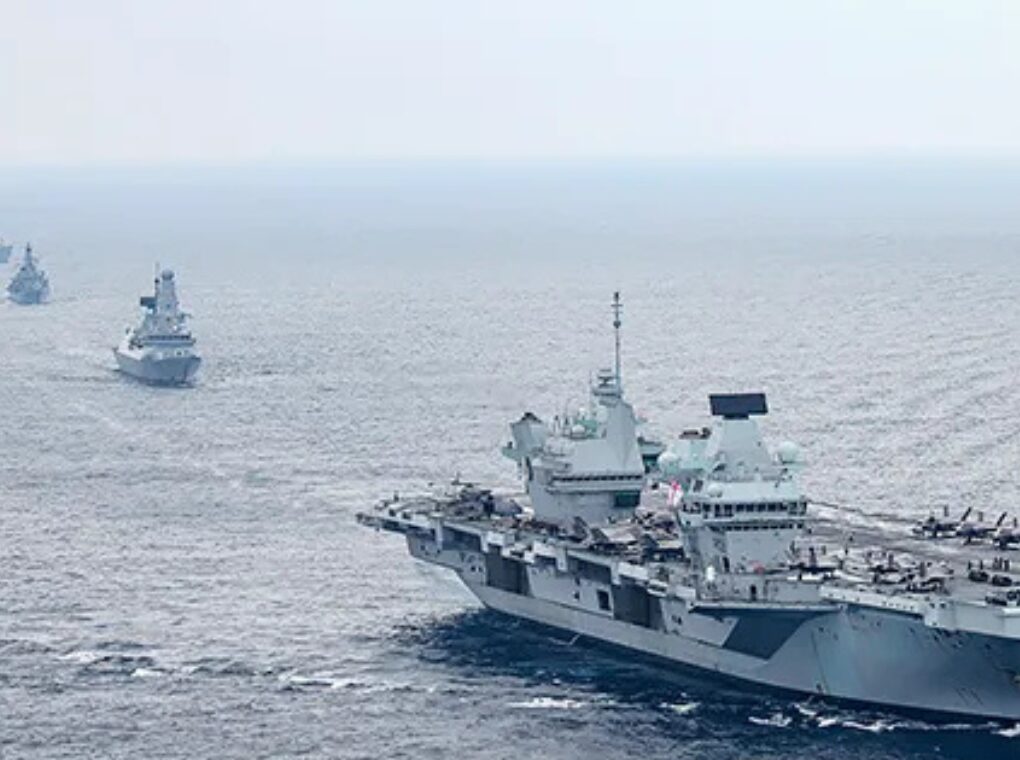
Backed by significant military deployment—including naval destroyers, aircraft, and thousands of personnel—the US sought to reassure global markets and ensure safe passage for oil tankers and cargo ships.
Why Did Trump Pause the Operation?
In a post on Truth Social, Donald Trump stated that the decision to halt “Project Freedom” was made following “great progress” in ongoing negotiations with Iran. He added that the pause was mutually agreed upon and influenced by requests from countries such as Pakistan, which has reportedly been mediating between Washington and Tehran.
“We have mutually agreed that… Project Freedom will be paused for a short period of time to see whether or not the agreement can be finalized,” Trump said.
However, he made it clear that the broader US strategy remains unchanged. The naval blockade targeting Iranian ports will continue “in full force,” signaling that Washington is maintaining pressure even as diplomatic talks proceed.
Mixed Signals Within the US Administration
The abrupt nature of the announcement appeared to catch parts of the US administration off guard. Marco Rubio had earlier indicated that a previous operation, “Epic Fury,” had concluded and that “Project Freedom” was the next phase of US engagement.
Meanwhile, Defense Secretary Pete Hegseth had only hours earlier praised the mission’s early success, claiming that hundreds of vessels were preparing to transit the strait under US protection.
The conflicting messaging highlights internal uncertainty and the fluid nature of US policy in the region.
Iran’s Reaction and Strategic Calculations
Tehran has responded cautiously but critically to the US move. Iranian officials have consistently argued that any foreign military presence in the Strait of Hormuz is provocative and violates their sovereignty.
Abbas Araghchi dismissed the operation as a failure, calling it “Project Deadlock” and warning Washington against being drawn into deeper conflict.
Iran has maintained that all vessels must coordinate passage through routes approved by its authorities and has previously threatened to target unauthorized military or commercial ships. While the US claims to have neutralized Iranian threats, Tehran has denied these assertions and accused Washington of escalating tensions.
Global Economic Impact
The Strait of Hormuz crisis has had immediate and far-reaching consequences for the global economy. Oil prices surged past $100 per barrel during peak disruptions, and concerns over supply chain instability have rattled markets worldwide.
The International Monetary Fund has warned that even a swift resolution may not prevent prolonged economic aftershocks. Shipping companies have reported increased insurance costs, delays, and logistical challenges, further compounding global trade disruptions.
Does This Signal Peace—or Just a Tactical Pause?
While the pause in “Project Freedom” may suggest progress in diplomacy, it falls short of signaling a definitive de-escalation. The US continues to enforce its blockade, and military assets remain deployed across the region.
The fragile ceasefire between the US and Iran, established in early April, technically still holds. However, sporadic maritime incidents, drone attacks, and competing narratives from both sides indicate that tensions remain dangerously high.
For now, Trump’s decision appears to be a calculated gamble—offering diplomacy a window of opportunity without relinquishing strategic leverage.
The suspension of “Project Freedom” reflects the delicate balancing act between military pressure and diplomatic engagement in one of the world’s most volatile regions. Whether this pause leads to a comprehensive agreement or merely delays further confrontation will depend on the outcome of ongoing negotiations.
As global stakeholders watch closely, the future of the Strait of Hormuz—and by extension, global energy security—hangs in the balance.