TFIGlobal
TFIGlobal
TFIPOST English
TFIPOST हिन्दी
No Result
View All Result
  • Indo-Pacific
  • Americas
  • Canada
  • Indian Subcontinent
  • West Asia
  • Europe
  • Africa
  • The Caribbean
TFIGlobal
  • Indo-Pacific
  • Americas
  • Canada
  • Indian Subcontinent
  • West Asia
  • Europe
  • Africa
  • The Caribbean
No Result
View All Result
TFIGlobal
TFIGlobal
No Result
View All Result
  • Indo-Pacific
  • Americas
  • Canada
  • Indian Subcontinent
  • West Asia
  • Europe
  • Africa
  • The Caribbean

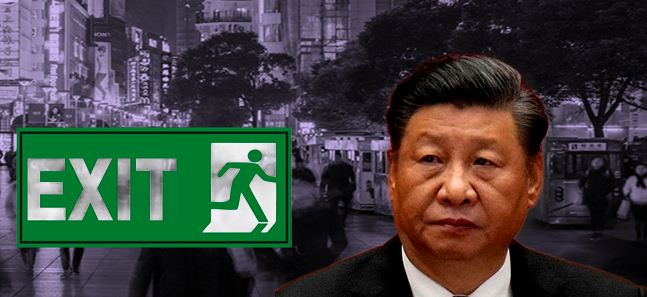
More than 30% of foreign companies decide to disinvest from China this year

Vikrant Thardak by Vikrant Thardak
March 8, 2022
in China, Geopolitics
china, foriegn
Share on FacebookShare on X

Amid the Ukraine-Russia crisis, China is trying hard to please the West by announcing several unofficial sanctions on Russia. The energy companies in China have stopped importing coal and oil from Russia. It has also banned Russia from participating in the upcoming winter Paralympics. Adding to it, the Chinese government-backed Asian Infrastructure Investment Bank has halted doing trade with businesses related to Russia.

But this rampant bootlicking is hardly yielding any positive result. Despite incessant attempts of wooing the western governments and stabilising its economy, around one-third of foreign companies have announced they will disinvest from China due to policy uncertainties.

Also Read

“Crown jewels” for Riyadh? US clears $24.3bn F-35 sale despite China spying fears

One Man, 14 Break-Ins: Anthropic’s Report on How AI Became a Weapon for Hire

The 1,000-Mile Kill Shot: America’s New Missile Plan Puts China in Its Sights

Read more: Biden’s ban on American oil production is now drilling a hole in the citizens’ pockets

One-third of foreign companies to reduce their stakes in China

A Wall Street Journal report has now revealed that foreign companies are now feeling less confident about doing business in China. A survey by the American Chamber of Commerce in China has also stated that more than 33% of foreign companies are eying to reduce their stakes in China as soon as possible. But why is this happening despite China’s unrelenting efforts to shore up its economy?

  1. China’s Covid policy: Most companies believe that China’s travel restrictions are a headwind when it came to attracting and retaining talent. Zero Covid policy has aggravated supply chain issues. More than three-fourths said qualified job candidates were unable to move to China. Also, foreign workers are increasingly shunning employment offers in China.
  2. Tensions between the US and China: Despite the Biden administration’s softened approach towards the communist nation, WSJ reports that the Trump-era sanctions imposed on the nation are still preventing the bilateral economic ties from flourishing. Alan Beebe, the president of AmCham China was quoted as saying by WSJ that “I think reality has in a way set in, in that at least some, if not many, of the actions by the Trump administration, remain in place.”
  3. Unclear policies: Foreign companies have stopped trusting the Chinese communist party. The crackdown measures launched last year have already diminished investors’ confidence in the Chinese market. Adding to that, inconsistent or unclear regulations and rising labour costs are other leading worries.
  4. Human rights issues: Nations like Japan and Australia, along with trading blocs like the EU have made it compulsory for their companies to eliminate even a minute element of forced labour and human rights violation from their supply chains. This is bound to force some foreign companies to divest from China, and rather invest in democratic nations like India.

Read more: Cerberus capital management snatches Subic Bay port from China

And now, even China has realized its economic fall is imminent. The Chinese government last week set its growth target for this year at around 5.5%, the slowest pace in about a quarter-century of economic planning; reflecting growing domestic and global uncertainties.

Foreign brands often found themselves at odds with the Chinese government over issues related to China’s contentious activities in Xinjiang and Hong Kong. More than 40% of respondents in the AmCham survey reported increased pressure to either make or not make politically sensitive statements compared with the previous year.

Be it the US, Japan, or India, China’s brutish foreign policy has frayed its economic ties with almost every major economy of the world. And now, foreign companies want to reduce their stakes in China as soon as possible to prevent the disaster engulfing China from harming their business interests. So, the result from the AmCham survey looks reliable on all accounts.

Tags: CCPChinaHuman Rights AbuseIndiaSoutheast Asia
ShareTweetSend
Vikrant Thardak

Vikrant Thardak

I see truth

Also Read

US, Danish and Greenlandic leaders sign a security deal against a backdrop of Greenland's Arctic landscape and expanded US military infrastructure.

From Threats Of Seizure To A Signature: US Locks In A Permanent Grip On Greenland’s Defence With a New Deal

September 23, 2026
Xi Jinping flanked by two Chinese military generals in a dark, tense political-military scene, with the Chinese flag, PLA troops, a missile launcher and shadowy US-China imagery in the background, symbolising a leadership purge and allegations of nuclear espionage.

Xi Purges His Last Two Top Generals As Nuclear Leak Claims Return

September 22, 2026
“Kim Jong Un watches North Korean ballistic missiles launch as Donald Trump and Xi Jinping face off against a backdrop of the US Capitol, highlighting tensions over North Korea’s missile tests and US-China diplomacy.”

Two Missiles, Three Hours: North Korea Fires a Warning as Xi Flies to Washington

September 22, 2026
US, Danish and Greenland leaders shake hands during a security agreement signing, with Arctic glaciers, military facilities, naval vessels and national flags in the background.

From Threats of Force to a Handshake: Trump Claims ‘Permanent’ Control Over Greenland’s Security

September 19, 2026
Donald Trump signs a Russia sanctions law as oil tankers and refineries symbolise growing US pressure on Russian energy buyers India and China, with Putin, Modi and Xi depicted amid a tense global energy standoff.

Trump signs Russia sanctions law, hangs a 100 per cent tariff sword over India and China

September 19, 2026
Canadian Prime Minister Mark Carney and European Commission President Ursula von der Leyen shake hands amid Canadian and EU flags, while Donald Trump stands near the US Capitol and cargo containers, symbolising Canada’s closer ties with Europe amid US tariff tensions. EU.

Europe opens its door, Trump threatens tariffs: Carney embraces EU associate membership offer

September 18, 2026
Youtube Twitter Facebook
TFIGlobalTFIGlobal
Right Arm. Round the World. FAST.
  • About Us
  • Contact Us
  • TFIPOST – English
  • TFIPOST हिन्दी
  • Careers
  • Brand Partnerships
  • Terms of use
  • Privacy Policy

©2026 - TFI MEDIA PRIVATE LIMITED

Welcome Back!

Login to your account below

Forgotten Password?

Retrieve your password

Please enter your username or email address to reset your password.

Log In

Add New Playlist

No Result
View All Result
  • Indo-Pacific
  • Americas
  • Canada
  • Indian Subcontinent
  • West Asia
  • Europe
  • Africa
  • The Caribbean
TFIPOST English
TFIPOST हिन्दी

©2026 - TFI MEDIA PRIVATE LIMITED

This website uses cookies. By continuing to use this website you are giving consent to cookies being used. View our Privacy and Cookie Policy.