Western companies are leading the international economic boycott of Russia in the aftermath of the Russian invasion of Ukraine. From Microsoft to Apple, and from Mastercard to Visa; western companies have made no bones about their anti-Russia stance in the ongoing crisis.
Each company based out of western nations and having an operational business in Russia is being pressed by their governments to quit Russian markets as soon as possible.
Asian companies reluctant to pull out from Russia
But on the flip side, Asian companies seem to defy the trend set by their western counterparts. They are unwilling to pull out from the tumultuous Russian territory for one reason or another.
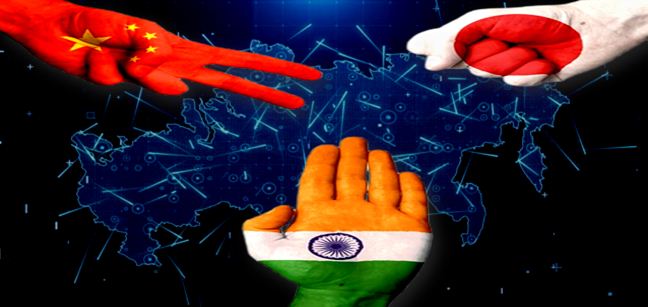
Nikkei Asia reported that Asian companies have remained less vocal about criticizing Russia’s invasion. Notably, companies from China, Japan, and India are refusing to mirror the anti-Russian actions of western companies.
Japanese companies not willing to break-up with Russia
Japanese Apparel company Uniqlo decided to keep open its 50 stores across Russia despite a strong headwind. The company’s CEO said, “Clothing is a necessity of life. The people of Russia have the same right to live as we do.”
Uniqlo’s western rival H&M Group has already announced its exit from Russia. So, despite Russia being buried under piles of western sanctions, Uniqlo is eying a great business opportunity there.
It’s interesting to note that Uniqlo’s stance over the Ukraine crisis contradicts the Japanese government’s official stance. Tokyo has announced sweeping sanctions on Russia, including a ban on the export of oil refining equipment to Russia.
Following the footprints of Uniqlo, another Japanese company Mitsui & Co., one of Japan’s largest trading houses and a co-investor with Shell and Gazprom in the Sakhalin-2 gas project, seemed to be dragging its feet on the question of exiting the Russian market. The company said, “It was in discussions with relevant stakeholders, including the Japanese government and business partners.”
Japanese companies are refraining from taking a public stand on the issue. One executive from a Japanese automaker was quoted by Nikkei Asia as saying, “This is not a matter in which Japan should lead the rest of the world”.
Read More: Biden’s shameful attempt to drag Japan into the Russia-Ukraine crisis
Companies from China and India take a similar stand
Similarly, companies from China and India are also developing cold feet about following their Western counterparts in pulling out from Russia. The Chinese ride-sharing group Didi Global, for instance, was planning to quit Russia before the invasion but dropped its plans later.
Experts believe that the exodus of western companies from Russia has created a profitable void for Asian companies that they are more than willing to fill in. Western sanctions on Russian energy producers have left them with fewer buyers, prompting them to announce lucrative offers to Asian purchasers.
So, Asian companies are highly likely to prioritize their business interests ahead of geopolitics, especially when the world’s second-largest economy China and the world’s fifth-largest economy India are not keen to criticize the Russian invasion.
The Exodus will hardly bear an impact on the Russian economy
Experts believe that the exodus of foreign companies will hardly bear any impact on the Russian economy and President Vladimir Putin’s plans for Ukraine. The Russian government has already banned Facebook and Twitter in a retaliatory move, which shows that the Kremlin is not at all interested in entertaining Western businesses.
Experts were quoted by ABC News as saying, “most companies believe this is a small strategic pause. They may believe that in a few months, things might go back to normal. It’s still a changing situation.”
All in all, western companies don’t plan to quit the Russian market in the long run, and their decision to shut down the operations in the country is nothing more than a knee-jerk reaction, prompted by vehement political pressure. The exodus will barely affect the Russian economy but it’s sure to shore up the presence of Asian companies in the country.