A major controversy has erupted in the United States after a senior nuclear safety official was allegedly caught on hidden camera discussing highly sensitive national security matters, including nuclear protocols, U.S. military actions in Iran, and corruption in Ukraine. The incident has triggered widespread debate over operational security, government transparency, and the credibility of undercover journalism.
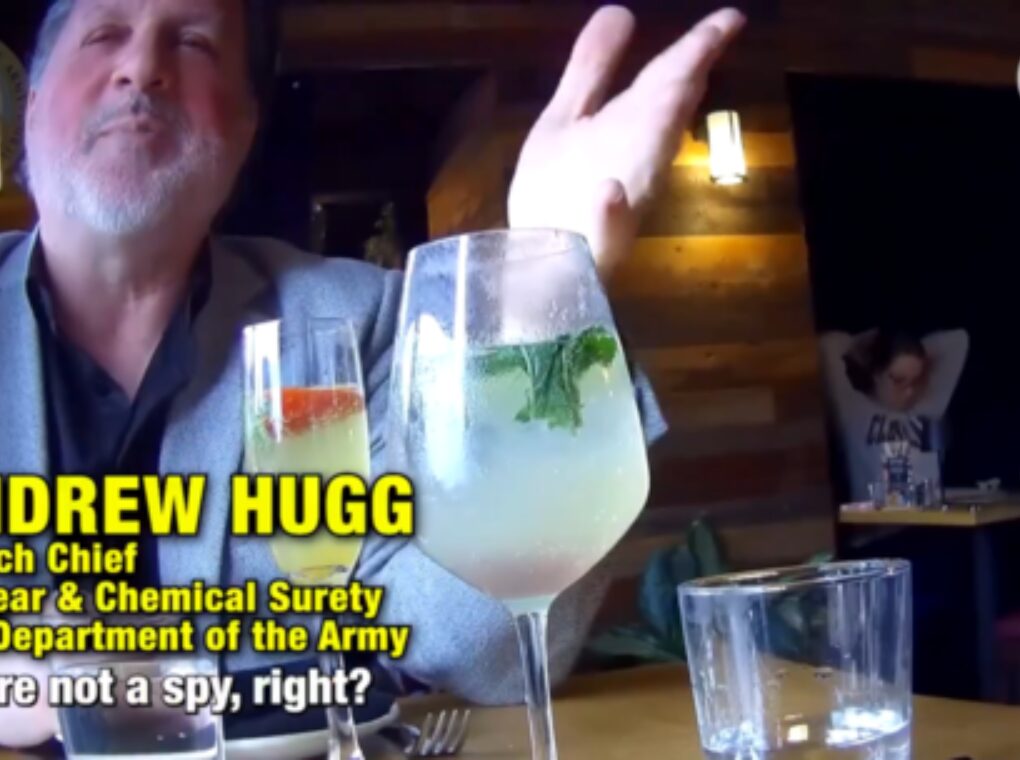
The individual at the center of the storm, Andrew Hugg, serves as a chief of chemical nuclear surety in the U.S. Army — a role focused on ensuring the safety and compliance of nuclear and chemical operations rather than commanding weapons systems. However, footage released by media activist James O’Keefe’s organization appears to show Hugg speaking candidly about sensitive issues during what was reportedly an undercover meeting in a public restaurant.
Explosive Claims on Ukraine Corruption
One of the most controversial aspects of the video involves Hugg’s remarks about Ukraine. In the footage, he allegedly claims that Ukrainian officials have been misusing American financial aid for personal enrichment.
“That government is so corrupt, they stole our money,” Hugg is heard saying. He further claims that funds were spent on luxury cars, properties, and lifestyles, even suggesting that some officials relocate to affluent destinations such as Dubai.
These comments come at a time when the United States has committed billions of dollars in financial and military aid to Ukraine amid its ongoing conflict with Russia. While allegations of corruption in Ukraine have surfaced periodically, Hugg’s remarks — if verified — could intensify scrutiny over how aid funds are monitored and utilized.
Remarks on Iran and Civilian Casualties
Hugg also reportedly addressed U.S. military operations in Iran, acknowledging that American airstrikes have resulted in civilian casualties, including children. He described such losses as “collateral damage,” a term often used in military contexts but one that continues to spark ethical and humanitarian debates.
The comments are particularly sensitive given the escalating tensions in the region and ongoing discussions around the human cost of modern warfare.
Discussion of Nuclear Protocols Raises Alarm
Perhaps most concerning are Hugg’s alleged statements regarding U.S. nuclear decision-making processes. According to the footage, he described a rapid-response system in which nuclear launch decisions could be executed swiftly once verification protocols are satisfied.
While he reportedly emphasized that the United States has no intention of deploying nuclear weapons, the casual disclosure of such procedures has raised serious concerns among experts about information security and the potential risks of discussing classified or sensitive protocols in public settings.
Claims About Chemical Weapons
In another alarming revelation, Hugg allegedly claimed that the United States still possesses chemical nerve agents, despite its commitments under international agreements to eliminate such stockpiles. He also referenced an unverified incident involving a U.S. Army chemist who was reportedly exposed to a nerve agent.
If substantiated, these claims could have significant implications for U.S. compliance with global chemical weapons conventions and raise questions about oversight within military programs.
Suggestion of Targeting Iranian Leadership
The video further shows Hugg discussing the possibility of the United States targeting Iran’s leadership, specifically referencing Mojtaba Khamenei, who is widely seen as a potential successor to Iran’s Supreme Leader.
Hugg allegedly suggested that the U.S. could take action if the leader “doesn’t change his ways.” Although he did not confirm any official plan, such remarks have heightened tensions and drawn criticism for their potential diplomatic ramifications.
Official Response and Investigation
Following the release of the footage, the U.S. Army confirmed that Andrew Hugg has been placed on administrative leave pending a formal investigation. Officials stated that they are taking the matter seriously and are conducting a thorough review of the incident.
Reports also suggest that Hugg may have been escorted from the Pentagon, though these claims remain unconfirmed.
The Pentagon has yet to release a detailed public statement, but the case is already prompting internal discussions about security protocols and employee conduct.
Debate Over Undercover Journalism
The video was published by a media group founded by James O’Keefe, known for conducting undercover sting operations targeting public officials and institutions. While supporters argue that such tactics expose hidden truths, critics have long accused O’Keefe’s operations of selective editing and ethical violations.
This history has led some observers to urge caution in interpreting the footage, emphasizing the need for full context and independent verification before concluding.
Larger Implications
The incident underscores the risks associated with informal conversations by individuals in sensitive positions. Even unverified or off-the-record remarks can have far-reaching consequences when recorded and made public.
Experts warn that such disclosures — whether accurate or exaggerated — can impact diplomatic relations, fuel misinformation, and undermine public trust in national security institutions.
As investigations continue, the case is likely to remain in the spotlight, raising important questions about accountability, information security, and the evolving role of media in exposing — or shaping — global narratives.
For now, the world watches closely as the United States navigates yet another controversy at the intersection of national security and public transparency.