TFIGlobal
TFIGlobal
TFIPOST English
TFIPOST हिन्दी
No Result
View All Result
  • Indo-Pacific
  • Americas
  • Canada
  • Indian Subcontinent
  • West Asia
  • Europe
  • Africa
  • The Caribbean
TFIGlobal
  • Indo-Pacific
  • Americas
  • Canada
  • Indian Subcontinent
  • West Asia
  • Europe
  • Africa
  • The Caribbean
No Result
View All Result
TFIGlobal
TFIGlobal
No Result
View All Result
  • Indo-Pacific
  • Americas
  • Canada
  • Indian Subcontinent
  • West Asia
  • Europe
  • Africa
  • The Caribbean

Department of Defense suggests that Biden has turned US forces into sitting ducks

Kanika Batra Arora by Kanika Batra Arora
May 5, 2022
in Americas, Global Issues, Japan
Department of Defense suggests that Biden has turned US forces into sitting ducks
Share on FacebookShare on X

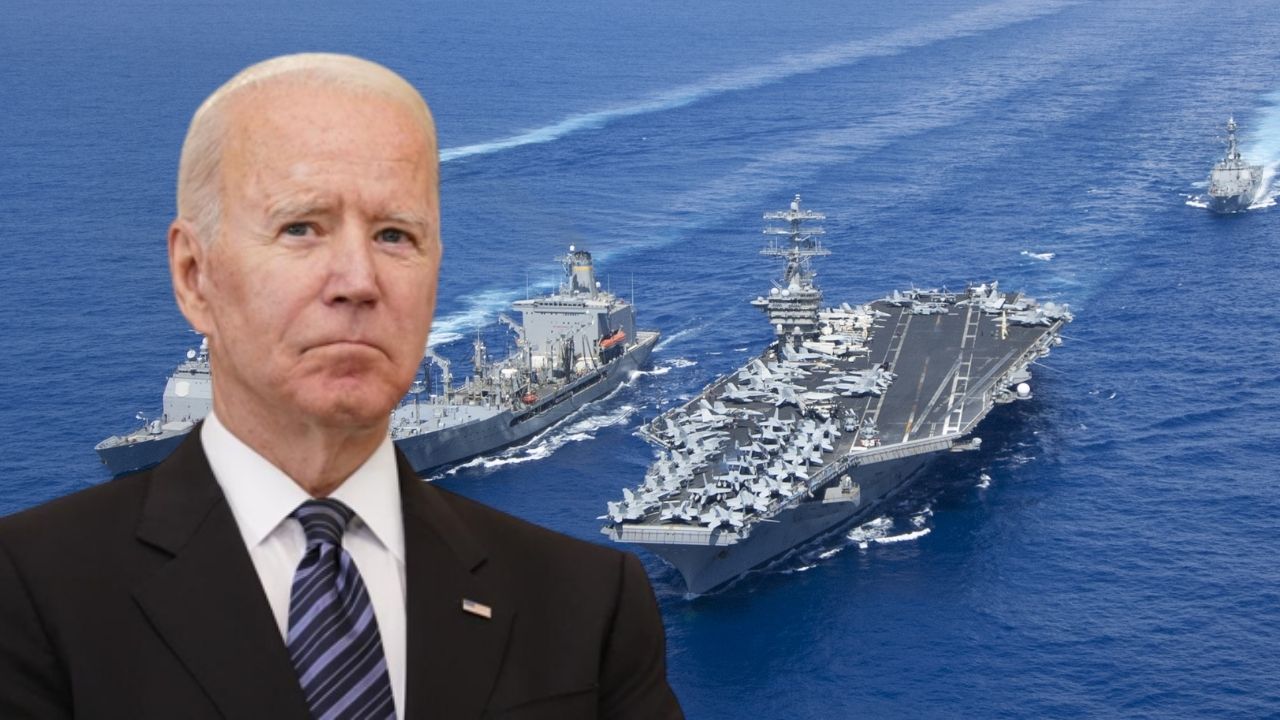
When it comes to countering China’s aggression in the Indo-Pacific area, the US appears unprepared.  This is something that the Department of Defense of the United States is asserting. It believes the military in Asia lacks adequate logistics capacity in the event of a military war in the region.

The Pentagon’s assessment was included in the long-term program planning document for the US Pacific Deterrence Initiative (PDI), which was delivered to Congress by mid-April, has a sense of urgency.

Also Read

Stealth Secrets in Beijing’s Grip: China Holds F-35 Parts After Mystery Hong Kong Detour

“Crown jewels” for Riyadh? US clears $24.3bn F-35 sale despite China spying fears

One Man, 14 Break-Ins: Anthropic’s Report on How AI Became a Weapon for Hire

“Current theatre logistics posture and capability to sustain the force are inadequate to support operations specifically in a contested environment,” the document says.

Last year, US Defence Secretary Llyod Austin told American lawmakers that Beijing’s “aggressive behavior” in the Indo-Pacific could spark a “crisis” in the strategically vital region.

He said, “As we look at some of the aggressive behavior that we have witnessed from China in the Indo-Pacific, I’m concerned about something that could happen that could spark a crisis”.

Despite being aware of the possible outbreak of the crisis not much has been done to counter the Chinese threat in the region. China has been aggressively under its expansionist policy and is continuously increasing its hold in the region. Earlier this year it militarized three islands in the South China Sea and later it signed a security pact with the Solomon Islands.

Read more: Australia could finally break its silence by dampening China’s dream in the Solomon Islands
Source: theconversation

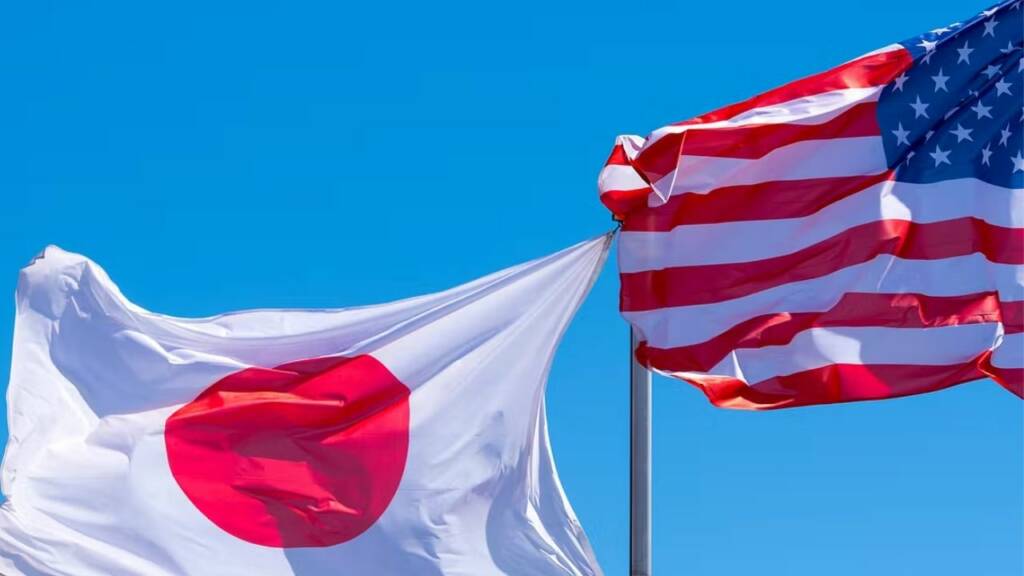
Amid this, the incapability of the US to counter China is of great concern to its allies in the region, especially to Japan which is already skeptical of the US’s help if and when needed to counter China’s threat. At this critical juncture, the Biden administration may seek to further complicate security dynamics for Japan by withdrawing a major chunk of its strategic assets and troops currently deployed in Japan’s Okinawa prefecture.

According to a report by Nikkei Asia, the U.S. is keen to deploy its Indo-Pacific military presence far and wide rather than keep it concentrated at a handful of bases as it seeks to protect itself from China’s advanced missile capabilities. This is especially bad news for countries like Japan, where the U.S. has a large, concentrated mass of troops.

Read more: Japan is going all in to jack up its military and fight China with or without the US

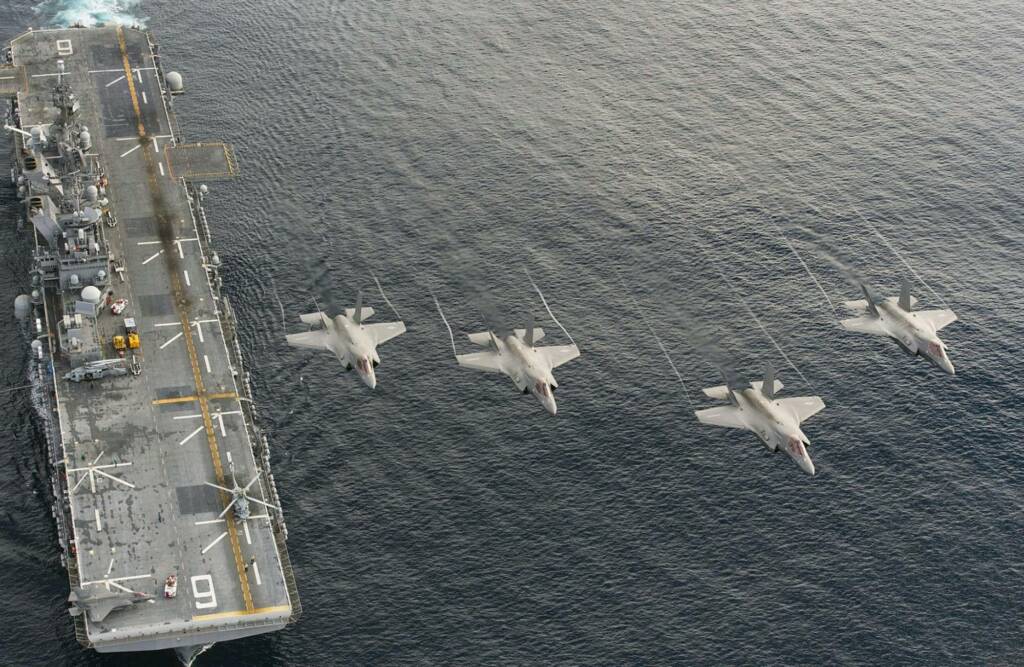
This expansion when already the military logistics capacity is limited in the region can turn into another disastrous move for Biden. Also, in a frustrated tone, Marine Corps Commandant David Berger said on a visit to Australia last month, “Logistics, logistics, logistics,” when asked about the lessons from Russia’s invasion of Ukraine. “That is the limiting factor. That’s the driving factor in how far and how fast you can go. It can’t be the last thing that you plan.”
Source- The Japan Times

Nonetheless, the Biden administration will inject some funds into the PDI program, but this will begin only in the fiscal year 2023. This for sure raises skepticism in the area regarding the Biden administration’s ability and desire to make large defense promises as a result of this.

However, the so-called US allies must understand that counting on US military backing during a crisis would be foolish, given the US’s recent mingling with China.

Therefore, the countries in the region must recognize the importance of being self-sufficient when it comes to the security of their sovereignty in the region.

Tags: ChinaIndo-PacificJapanPentagonThe United States
ShareTweetSend
Kanika Batra Arora

Kanika Batra Arora

Associate Editor at TFIGlobal. An artist by god's grace, geopolitics enthusiast, sapiophile.

Also Read

Saudi and UAE officials shake hands in Riyadh as missiles launch and fires burn across the Red Sea backdrop, highlighting renewed Gulf diplomacy amid the Yemen conflict.”

As Houthi Missiles Rain Down on Saudi Arabia, UAE Vice President Flies into Riyadh to Heal Yemen Rift

September 30, 2026
US military convoy leaving Iraq at sunset, with American flags, a war-scarred city, and the historic al-Hadba minaret draped in the Iraqi flag.

The Last Convoy: America Leaves Iraq

September 30, 2026
Israeli Prime Minister Benjamin Netanyahu meets UAE President Sheikh Mohamed bin Zayed in Abu Dhabi, with a private jet, security officials and Israeli and UAE flags visible in the background.

Netanyahu makes second reported secret trip to UAE as Gulf rethinks its security ties

September 28, 2026
Donald Trump gestures towards a darkened Havana skyline and Cuban flag at sunset, symbolising possible US-Cuba negotiations amid economic and political tensions.”

No Troops Needed: Trump Bets on a Cuba Deal as the Island Goes Dark

September 27, 2026
Donald Trump boards a presidential aircraft as journalists and television cameras watch from behind a barrier on the tarmac.CNN

Grounded: White House shuts CNN out of Air Force One days After Court Win

September 27, 2026
A gavel and futuristic AI figure in front of the Pentagon, with US military personnel and an American flag in the background, symbolising the legal dispute between Anthropic and the US Department of Defense.

Blow For Anthropic As US Court Refuses To Lift Pentagon Ban

September 26, 2026
Youtube Twitter Facebook
TFIGlobalTFIGlobal
Right Arm. Round the World. FAST.
  • About Us
  • Contact Us
  • TFIPOST – English
  • TFIPOST हिन्दी
  • Careers
  • Brand Partnerships
  • Terms of use
  • Privacy Policy

©2026 - TFI MEDIA PRIVATE LIMITED

Welcome Back!

Login to your account below

Forgotten Password?

Retrieve your password

Please enter your username or email address to reset your password.

Log In

Add New Playlist

No Result
View All Result
  • Indo-Pacific
  • Americas
  • Canada
  • Indian Subcontinent
  • West Asia
  • Europe
  • Africa
  • The Caribbean
TFIPOST English
TFIPOST हिन्दी

©2026 - TFI MEDIA PRIVATE LIMITED

This website uses cookies. By continuing to use this website you are giving consent to cookies being used. View our Privacy and Cookie Policy.