TFIGlobal
TFIGlobal
TFIPOST English
TFIPOST हिन्दी
No Result
View All Result
  • Indo-Pacific
  • Americas
  • Canada
  • Indian Subcontinent
  • West Asia
  • Europe
  • Africa
  • The Caribbean
TFIGlobal
  • Indo-Pacific
  • Americas
  • Canada
  • Indian Subcontinent
  • West Asia
  • Europe
  • Africa
  • The Caribbean
No Result
View All Result
TFIGlobal
TFIGlobal
No Result
View All Result
  • Indo-Pacific
  • Americas
  • Canada
  • Indian Subcontinent
  • West Asia
  • Europe
  • Africa
  • The Caribbean

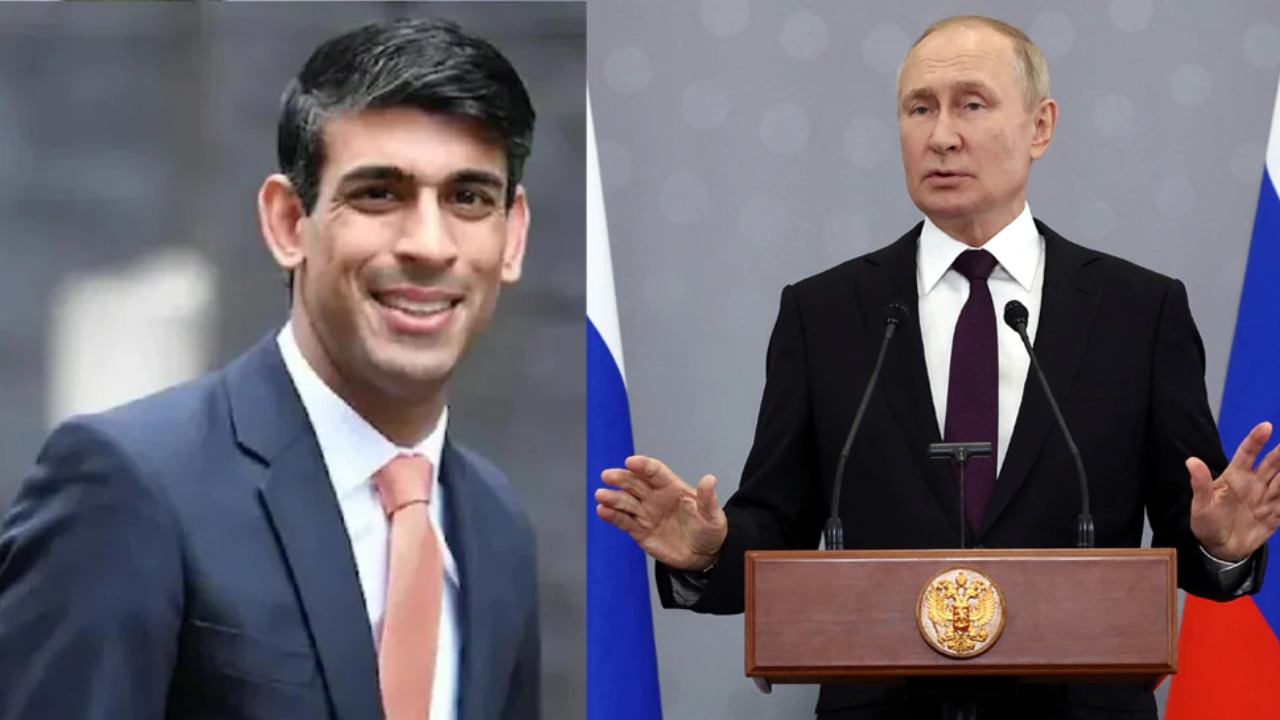
‘2023 is Russia’s year,’ Rishi Sunak’s UK formally accepts Russia’s ‘metal supremacy’

Rohit Yadav by Rohit Yadav
November 13, 2022
in Europe, Geopolitics
‘2023 is Russia’s year,’ Rishi Sunak’s UK formally accepts Russia’s ‘metal supremacy’

Source: Zee News

Share on FacebookShare on X

Remember, when the Ukraine war started Western countries rushed to impose sanctions on Russia. They assumed that the resources and imports they import from Russia can be sourced from somewhere else.

It’s been 9  months now, and Russia’s superiority over resources has made its European counterparts realise, that it can’t be ignored. Interdependence is the way forward.

Also Read

North Korea Readies More Soldiers for Russia, but Seoul Says Nothing Has Moved Yet

A borrowed satellite and 400 missiles: how Beijing and Moscow are keeping Iran in the fight

Musk blocks Ukraine’s Starlink access for deep strikes inside Russia — what it means

The realisation this time has occurred to the UK. Yes, the same UK has adopted the second most pro-Ukraine stance after the US.

London Metal Exchange (LME) announced on Friday that it will not prohibit the trading and storage of Russian metal in its system. It said that a sizable percentage of the market continues to purchase Russian metal and things wouldn’t change in 2023

Russia is a significant producer of nickel and aluminium. Sanctions imposed on some Russian corporations did not target these metals or the businesses that produce them.

They didn’t want to hurt their industries on an immediate basis and wanted the thwart the impact of sanctions on themselves. The plan was to drift from Russian metals in the longer term.

But, the sanctions have hit the Europeans badly. They first imposed sanctions on energy, hoping to reduce Russia’s reliance on it. But failed spectacularly to find alternatives to Russian energy. They are paying through the nose for the few alternatives they have managed to find.

The Exchange, the largest and oldest industrial metals market in the world, published a discussion paper on the matter in October, seeking market feedback on the idea of outlawing Russian metal.

According to a statement from the Exchange, “The LME does not propose at this time to prohibit the warranting of new Russian metal or to impose thresholds or limits to the amount of Russian stock permitted in LME warehouses.”

Some Russian metals banned from British warehouses
Source: Anadolu Agency

When the LME asked for feedback, several respondents suggested that the exchange be wary of producer feedback “given a perceived vested commercial conflict of interest.”

The US, which has created a monopoly on LNG supplies to Europe, tried to influence the decision.

The American aluminium manufacturer Alcoa (AA.N) has long been outspoken about the need to bar Russian metal from exchange storage and trading.

Several other manufacturers have also made public calls for a ban.

Also Read: Netherlands chose its first liberal PM in 92 years. He turned out to be a hardcore conservative

Russian metal and economic dominance

Several big Russian companies of Russia have a large share of the world’s metal market. Around 6% of the world’s aluminium demands are met by Rusal, which is also the largest producer of metal outside of China. In 2021, Nornickel produced 193,006 tonnes of refined nickel or nearly 7% of the production from mines worldwide.

The London Exchange realizes that Russian metal can’t be replaced. Glencore (GLEN.L), a commodities trader, will purchase aluminium from Rusal for the upcoming year, and the Russian manufacturer has already sold 76% of its raw aluminium and value-added goods.

According to Western analysts, if the war is prolonged, the Russian economy will suffer. After Russia invaded Ukraine, the country’s economy collapsed. In relation to the dollar, the rouble lost more than a quarter of its value. Cut to now: The Russian rouble is the strongest it has been in decades. Russia’s economy is booming and has defied all the norms and rules of the game.

London Metal Exchange doesn’t want to lose out on business and understands Russia’s metal supremacy. The metal exchange has learned from other sectors that it’s not worth sanctioning Russia. Well, better late than never.


Tags: metal exchangeRishi SunakRussiaUKUkraine
ShareTweetSend
Rohit Yadav

Rohit Yadav

Associate Editor, TFI Media. Pursuing Masters in Global Studies from Ambedkar University, Rohit is a Geopolitics and Sports enthusiast

Also Read

Canadian Prime Minister Mark Carney and European Commission President Ursula von der Leyen shake hands amid Canadian and EU flags, while Donald Trump stands near the US Capitol and cargo containers, symbolising Canada’s closer ties with Europe amid US tariff tensions. EU.

Europe opens its door, Trump threatens tariffs: Carney embraces EU associate membership offer

September 18, 2026
F-35 stealth fighter at a Saudi airbase, symbolising the proposed US-Saudi defence deal amid tensions over China’s access to advanced American military technology.

“Crown jewels” for Riyadh? US clears $24.3bn F-35 sale despite China spying fears

September 18, 2026
A military satellite orbiting above Earth, with other satellites in the distance and a blue beam linking two spacecraft, symbolizing the growing space weapon and the emerging US-Russia-China orbital rivalry

Washington Finally Says It Out Loud: America Has Weapons in Space

September 15, 2026
A US dollar bill breaking apart beside BRICS flags, a glowing globe, cargo ship and stacks of currencies, symbolising de-dollarisation and the shift toward a multipolar financial system.

BRICS De-Dollarisation: Is the World Leaving the Dollar?

September 13, 2026
BRICS emblem above an empty international summit table, with a global trade port, UN-style building, currency, justice scales and critical minerals symbolising geopolitics and multilateral cooperation

BRICS Declaration Backs South Africa’s G20 Seat and Criticises Tariffs, Without Naming any Country

September 13, 2026
“Cinematic depiction of China–Iran–US tensions, showing Xi Jinping and Donald Trump flanking a reconnaissance satellite surveying a military air base, with Iranian ballistic missiles launching in the background.”

Chinese Eyes, Iranian Missiles: Us Traces A Satellite Trail To The Attack iJordan

September 13, 2026
Youtube Twitter Facebook
TFIGlobalTFIGlobal
Right Arm. Round the World. FAST.
  • About Us
  • Contact Us
  • TFIPOST – English
  • TFIPOST हिन्दी
  • Careers
  • Brand Partnerships
  • Terms of use
  • Privacy Policy

©2026 - TFI MEDIA PRIVATE LIMITED

Welcome Back!

Login to your account below

Forgotten Password?

Retrieve your password

Please enter your username or email address to reset your password.

Log In

Add New Playlist

No Result
View All Result
  • Indo-Pacific
  • Americas
  • Canada
  • Indian Subcontinent
  • West Asia
  • Europe
  • Africa
  • The Caribbean
TFIPOST English
TFIPOST हिन्दी

©2026 - TFI MEDIA PRIVATE LIMITED

This website uses cookies. By continuing to use this website you are giving consent to cookies being used. View our Privacy and Cookie Policy.