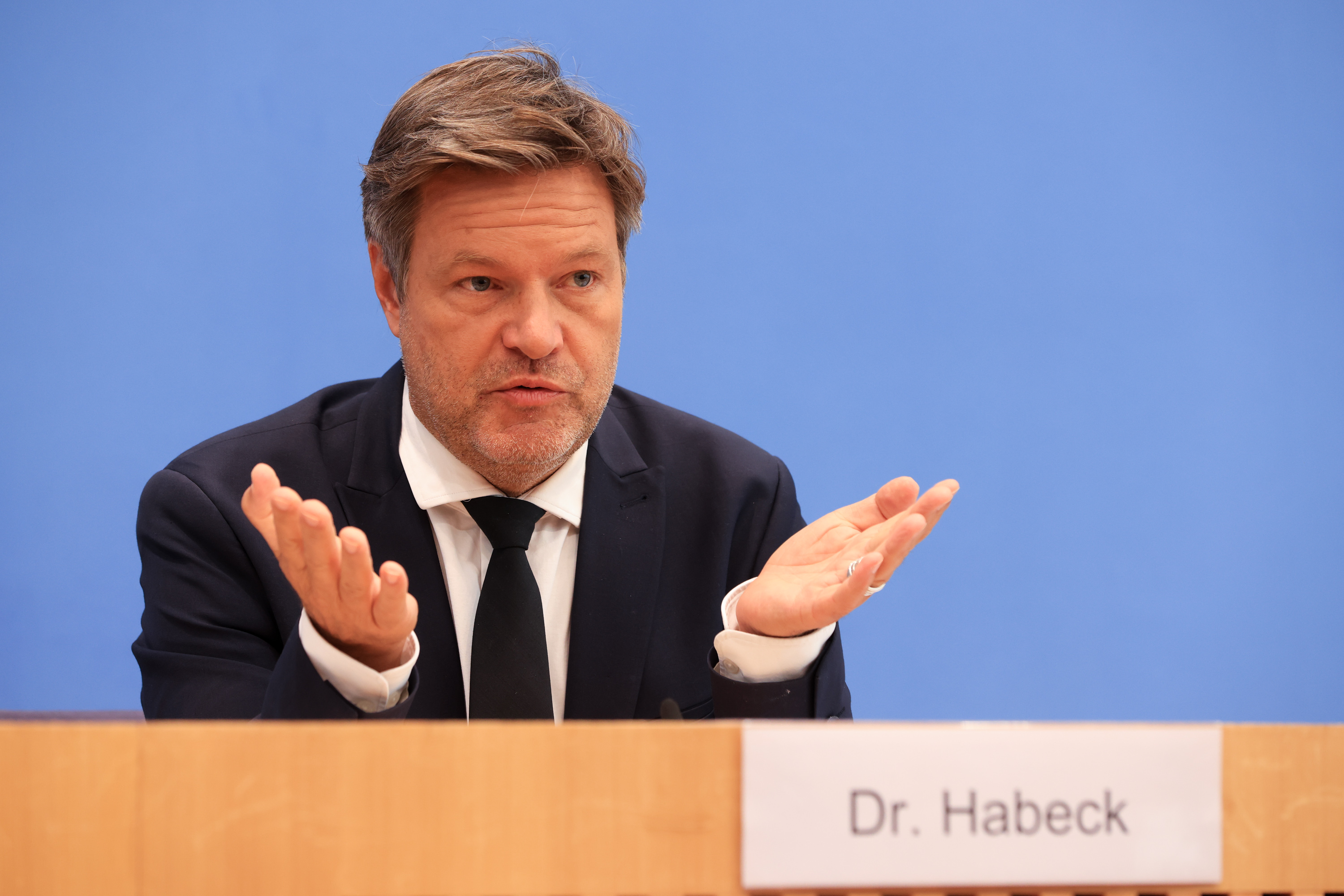
In 2023, Germany, anticipating deindustrialization fears, aimed to emulate a French-style industrial policy. This involved substantial subsidies and protective ‘Buy European’ measures. However, the country encountered limitations sooner than anticipated. Economy Minister Robert Habeck foresaw the prominence of industrial policy in the economic agenda for the year, acknowledging the global challenge posed by influential nations adopting dedicated industrial policies, exemplified by America’s Inflation Reduction Act. Berlin and Brussels expressed readiness to address this evolving landscape.
In 2023, Germany faced challenges as the ‘German business model’ was questioned. The reliance on cheap Russian gas, a powerful tool wielded by the Russian president, was no longer sustainable. With cheap gas gone, nuclear power plants shutting down, and suboptimal conditions for renewable energy, sustaining energy-intensive basic industries became daunting. Economists suggested that not all industries might have a future in Germany, cautioning against subsidising uncompetitive sectors. Economy Minister Habeck, however, committed to a proactive state role, vowing to defend Germany’s industrial landscape. Habeck sought to compete with the US Inflation Reduction Act, demonstrating a willingness to invest significantly.
Join us on Telegram: https://t.me/tfiglobal
In response to the global subsidy race, the European Commission introduced the Green Deal Industrial Plan, aiming to support green industries. The ensuing debate centred on whether this should be managed at the European or national level, with concerns about potential advantages for wealthier nations like Germany. Despite initial resistance, the Commission yielded to Germany’s influence, abandoning the idea of new EU-level debt for subsidies. Germany emerged as a dominant player, raising concerns about market fragmentation and prompting discussions about a European Sovereignty Fund, which materialised as the Strategic Technologies for Europe Platform (STEP) with a limited budget of €10 billion.
Read More: From Green to Gray? Crippled Germany is going back to the Basics
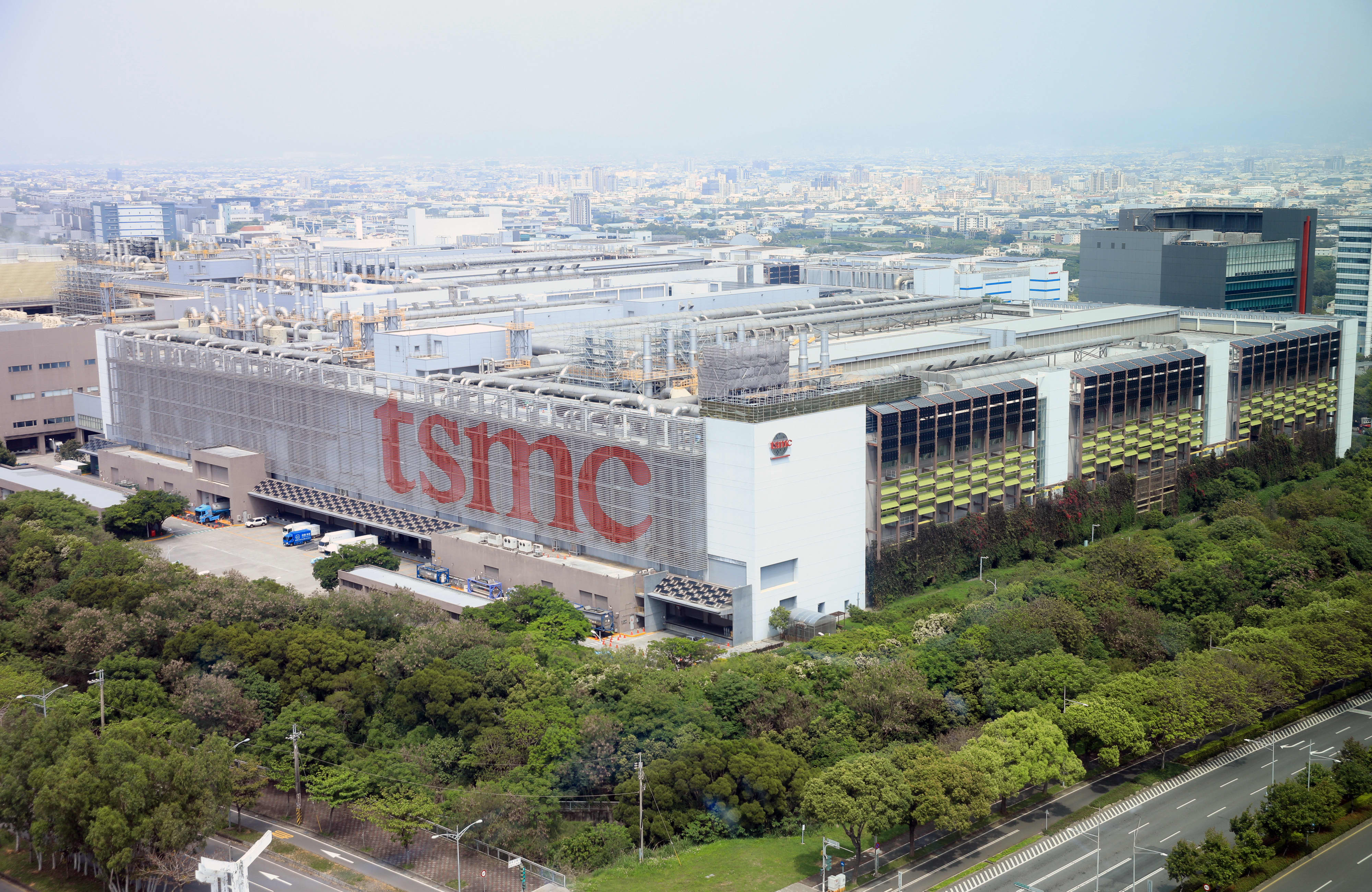
The EU’s new funding platform, STEP, faced criticism for its perceived lack of ambition and the potential risk of internal market fragmentation, according to Renew MEP Valérie Hayer. Meanwhile, Germany demonstrated its financial commitment by allocating €10 billion for a chip factory with Intel and €5 billion for a facility with Taiwan’s TSMC, mirroring French-style industrial policy. However, Germany faced a setback when its top court struck €60 billion from the Climate and Transformation Fund, affecting investments in chip, steel, and hydrogen production. Despite resolving internal disputes by cutting the fund, Germany’s aspiration to adopt Parisian-style ‘local content’ rules, akin to the controversial Buy American clauses, encountered practical challenges.
The EU Council’s recent meeting initiated steps toward a European Green Deal Industrial Plan, including discussions about a loosely-defined “Buy European Act.” However, the proposed “Net-Zero Industry Act” with potential “Buy European” clauses faced resistance. Despite initial alignment, Germany, particularly concerned with potential protectionism and jeopardising renewable energy targets, pushed back. The leaked draft revealed similarities to the US Inflation Reduction Act (IRA) in deterring foreign clean tech products. Opposition arose from advocates of free trade and global competition, cautioning against a protectionist trade war. Germany’s intervention led to a scaled-back proposal, with only 20% of renewable energy auctions affected by specific “resilience” criteria favouring domestic production.
Read More: Bulgaria’s Oil Bonanza: How a Loophole Became a Kremlin Cash Cow
EU countries, mindful of potential setbacks to the energy transition and increased costs, agreed to permit Chinese green tech in most subsidy programs for renewable energy. The European Parliament, in contrast, advocates for a more stringent provision seeking the exclusion of Chinese manufacturers from numerous subsidy programs, reflecting differing opinions within the EU on the extent of reliance on Chinese products in the pursuit of renewable energy goals.
The decision on how much of Europe’s push for domestic production will materialise will unfold in the coming year. Although industrial policy may not take centre stage in the upcoming European Parliament elections, its effective implementation will significantly shape Europe’s prosperity in the ensuing decades. Striking the right balance between promoting domestic industries and navigating global trade dynamics remains a crucial aspect of Europe’s economic strategy. As the region grapples with decisions on green protectionism and subsidy programs, the outcomes will undoubtedly reverberate in the socio-economic landscape for years to come.
Watch More:
https://youtu.be/Tj44_9YtZpI?si=yHRuEsAWkHfFKi-H