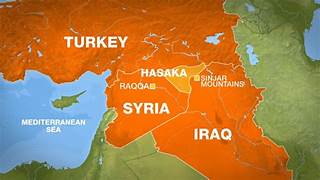
Iraq’s recent diplomatic endeavors to foster reconciliation between Turkey and Syria coincide with shared concerns about Kurdish forces. Kurdish groups within Iraq, particularly concentrated in the northern regions which include the PKK also, have long pursued aspirations for autonomy within Iraqi territory challenging Baghdad’s authority and sovereignty over the region.
Turkey has indicated its intention to withdraw its troops from Syria, following the failure of NATO-backed efforts to remove Assad from power and increased Russian influence in the region.
However, the United States has faced criticism for its role in perpetuating regional instability by draining Syria’s resources and supplying weapons, purportedly in support of democracy. These actions have been accused of hindering peace efforts and intensifying tensions in the region.
Iraq’s Prime Minister, Mohammed Shia al-Sudani, is actively engaging in diplomatic efforts to foster reconciliation between Turkey and Syria, indicating ongoing dialogue with Presidents Bashar al-Assad and Recep Tayyip Erdogan. Sudani also voiced concerns over the security threats posed to Iraq by Kurdish forces, particularly in the northern regions where Kurdish groups are prevalent. The PKK (Kurdistan Workers’ Party), historically seeking autonomy within Iraq, has been a significant challenge to Baghdad’s authority and sovereignty, with its activities in Iraq undermining stability.
Turkey’s prior backing of armed factions in Syria, with the goal of regime alteration during President Obama’s era, has significantly added to the intricate dynamics within the region. Erdogan’s departure from the objective of removing Assad signified a notable shift in Turkey’s position. However, obstacles remain prevalent, as the high-level direct negotiations between Turkey and Syria, facilitated by Russia, encountered difficulties owing to Damascus’ insistence on the removal of Turkish military presence from Syrian territories. This demand underscores the persistent challenges in achieving diplomatic resolutions amid the ongoing conflict.
Several regions outside the control of the Syrian government remain hotspots for instability. Idlib province, under the control of HTS (formerly the Al Qaeda branch in Syria), presents a continuous threat. Additionally, Turkey’s occupation of border areas to the north of Aleppo and the United States presence in the northeast of Syria and along the Iraqi border further exacerbate regional tensions.
Iraq’s recent designation of the PKK as a terrorist organization underscores the seriousness of the security challenges in the region. The PKK’s activities and influence, particularly in Iraqi Kurdistan, pose a direct challenge to Baghdad’s authority and sovereignty. Kurdish separatist movements, including those linked to the PKK, continue to undermine regional security, creating an environment of perpetual tension and conflict. These movements not only threaten Iraq’s internal stability but also complicate the broader geopolitical landscape, making the pursuit of lasting peace and security a daunting task for all involved parties.
Furthermore, Turkey’s opposition to Kurdish-led groups establishing a semi-autonomous state along its borders underscores Ankara’s commitment to combating terrorism. Amid these developments, the upcoming elections in Syria, viewed as a step towards greater self-governance by the Kurdish-led autonomous administration, further complicate regional dynamics.
US Ambassador to UN Linda Thomas-Greenfield’s said that humanitarian aid would be given to Syria. Yet, accusations and denials regarding looting Syrian resources at the UN Security Council highlight the ongoing tensions and complexities surrounding the situation in Syria.
Syrian Ambassador Qusay al-Dahhak addressed the UN, criticizing the coalition led by the US in the fight against ISIS. He questioned the representatives from the US, UK, and France about their failure to acknowledge the harm caused by this coalition in its campaign against the ISIS terror group. Al-Dahhak accused the US of implementing sanctions that resulted in civilian casualties and hindered the prospects for peace among refugees and internally displaced people in Syria, while simultaneously facilitating US development.