On June 13, 2024, the United Nations Security Council unanimously adopted a resolution demanding an end to the Rapid Support Forces (RSF) siege on El Fasher, North Darfur. Sponsored by the United Kingdom, the resolution underscores growing concerns over the humanitarian situation in the region, where civilians face restricted movement and essential infrastructure, including hospitals, has come under attack.
The vote, with 14 in favour and the Russian Federation abstaining, reflects international consensus on addressing the crisis in Darfur and condemning actions by the RSF, which has been accused of exacerbating tensions and causing widespread displacement.
Just days after the resolution, on June 18, 2024, a tense diplomatic exchange unfolded at the United Nations between Sudanese Ambassador Al-Harith Idriss Al-Harith and UAE Ambassador Mohamed Abushahab. Sudan accused the UAE of violating the arms embargo on Darfur by supplying weapons to the RSF, while the UAE criticized Sudan’s reluctance to engage in peace negotiations.
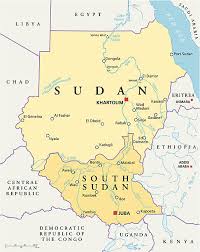
The conflict in Darfur erupted on April 15, 2023, between the Sudanese Armed Forces (SAF), under the leadership of General Abdel Fattah al-Burhan, and the RSF, commanded by General Mohamed Hamdan Degalo (Hemedti). Since then, the violence has claimed approximately 14,000 lives and displaced millions, both internally and in neighbouring countries such as Chad and South Sudan.
According to reports from the United Nations, 25 million Sudanese are in urgent need of humanitarian assistance, including access to food, clean water, and medical care. The ongoing conflict has severely disrupted aid efforts, exacerbating an already dire situation.
In response to the escalating crisis, the World Food Program (WFP) has intensified its efforts, providing cash grants and agricultural support to displaced farmers. WFP Regional Director Michael Dunford has warned that Sudan faces the prospect of becoming home to the world’s largest hunger crisis if immediate action is not taken.
Meanwhile, UN Coordinator Clementine Nkweta Salami has made a heartfelt plea for an end to violence in El Fasher following the tragic death of pharmacist Amna Ahmed Bakhit, killed during an RSF shelling of a hospital. Salami emphasized the devastating impact on civilian infrastructure and the humanitarian community working under perilous conditions.
Former Interim Prime Minister Abdalla Hamdok has emerged as a key figure leading the Tagadum coalition, which seeks to initiate internal dialogue within Sudan aimed at achieving a sustainable resolution to the conflict. Tagadum plans to convene an emergency summit with the African Union (AU) in Addis Ababa, Ethiopia, scheduled for July 10-14, 2024.
The AU Peace and Security Council (PSC) has called for inclusive participation in the summit, including representation from former ruling parties like the National Congress Party (NCP). However, Tagadum has expressed reservations about NCP involvement, citing allegations of collaboration with the RSF.
The involvement of external actors such as Saudi Arabia and the UAE in Sudan’s governance has been a contentious issue, with significant financial support provided to the Transitional Military Council (TMC) since the overthrow of former President Omar Hassan al-Bashir. This external involvement has influenced military actions and regional stability, further complicating efforts to resolve the conflict.
The United States, historically engaged in Sudan, continues to shape Western policy towards instability in the region. Successive administrations under Presidents Trump and Biden have maintained a strategic interest in Sudan, reflecting broader geopolitical dynamics and concerns over regional stability.
Amidst these complexities, challenges persist in achieving a peaceful resolution. The role of the Sudanese Armed Forces (SAF) and the RSF remains a contentious issue, reflecting broader debates over military influence and democratic transition. Efforts towards peace negotiations have been hindered by distrust among Sudanese factions and accusations of external interference.
Human rights violations persistently plague Sudan, with civilians and humanitarian workers enduring targeted attacks despite widespread international condemnation and efforts to enforce accountability for perpetrators. The conflict has not only escalated ethnic tensions but also exacerbated displacement, significantly complicating reconciliation efforts.
As Sudan confronts one of its most severe humanitarian crises to date, international humanitarian agencies and organizations are actively mobilizing to provide critical assistance. The response includes delivering essential aid such as food, water, and medical supplies to affected populations, striving to mitigate the immense suffering caused by prolonged conflict and instability.
Moreover, media coverage and public awareness play pivotal roles in garnering global solidarity and support for diplomatic initiatives aimed at resolving the crisis. By highlighting the plight of Sudanese civilians and advocating for sustained peacebuilding efforts, these efforts aim to foster enduring stability and peace in the region.