TFIGlobal
TFIGlobal
TFIPOST English
TFIPOST हिन्दी
No Result
View All Result
  • Indo-Pacific
  • Americas
  • Canada
  • Indian Subcontinent
  • West Asia
  • Europe
  • Africa
  • The Caribbean
TFIGlobal
  • Indo-Pacific
  • Americas
  • Canada
  • Indian Subcontinent
  • West Asia
  • Europe
  • Africa
  • The Caribbean
No Result
View All Result
TFIGlobal
TFIGlobal
No Result
View All Result
  • Indo-Pacific
  • Americas
  • Canada
  • Indian Subcontinent
  • West Asia
  • Europe
  • Africa
  • The Caribbean

Bangladesh Crisis Highlights Global Power Struggle in the Bay of Bengal

TFIGLOBAL News Desk by TFIGLOBAL News Desk
August 30, 2024
in Geopolitics
Bangladesh Crisis Highlights Global Power Struggle in the Bay of Bengal
Share on FacebookShare on X

The ongoing political crisis in Bangladesh, characterized by violence and instability, reflects a larger geopolitical struggle involving major global players like China and the US. This crisis, exacerbated by internal unrest and international interference, underscores the Bay of Bengal’s rising significance in global power dynamics.

Bangladesh’s political turmoil, including recent violent protests and unrest, has drawn significant attention. The hopes pinned on Nobel Laureate Muhammad Yunus to restore stability seem to have yielded little change, as violence and attacks on minorities continue. The crisis has also revealed the broader geopolitical tensions at play, with the US and China actively involved.

Also Read

Political Vendetta or Justice? Bangladesh International Crimes Tribunal sentences Ex-PM Sheikh Hasina to six months ‘ Jail

Christian Village set ablaze on Christmas Day in Bangladesh

A severe food crisis looms for Bangladesh

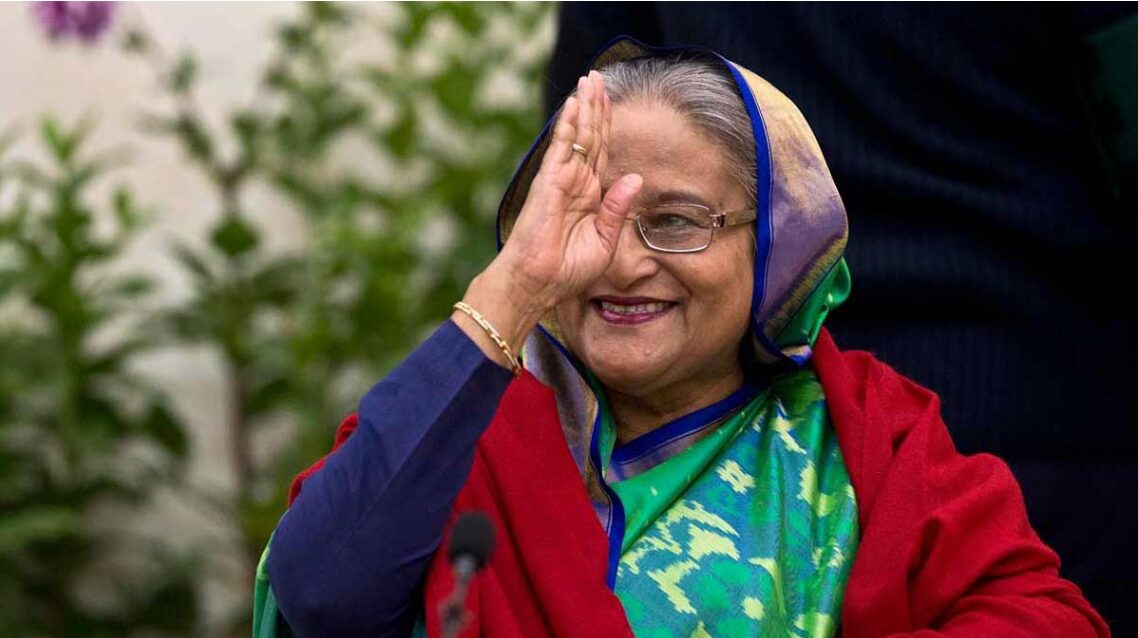
Bangladeshi Prime Minister Sheikh Hasina has criticized US intervention and its interest in St Martin Island, but has notably avoided confronting China’s role. This omission is critical, as the US-China rivalry now prominently affects the Bay of Bengal. China’s strategic investments in Bangladesh, such as in the Chittagong and Mongla ports, are part of its broader Belt and Road Initiative (BRI). This initiative seeks to extend Chinese influence through significant infrastructural investments, often leading to debt dependencies that compromise sovereignty.

China’s presence is evident in strategic assets like the Hambantota port in Sri Lanka and the Kyaukphyu port in Myanmar, which provide China with critical maritime and surveillance capabilities. The development of ports and industrial zones in Bangladesh further illustrates China’s strategy to encircle India and challenge its regional influence.

In response, India has been actively strengthening its ties with Bangladesh and other neighboring states through investments and development projects. India’s Neighbourhood First Policy has resulted in substantial Indian investment in Bangladesh’s infrastructure, including rail links and energy projects. India aims to counterbalance Chinese influence by reinforcing its strategic presence and connectivity in the region.

Japan also plays a role, offering alternatives to Chinese dominance through investments and participation in joint maritime exercises like Malabar. The Bay of Bengal’s geopolitical importance is thus elevated, with India and its allies needing to navigate the complexities of this power struggle carefully.

The Bangladesh crisis highlights the Bay of Bengal’s emerging role as a geopolitical hotspot. India must strategically manage its interests to safeguard regional stability amidst the intensifying US-China rivalry.

Tags: Bangladesh crisisBay of BengalBelt and Road InitiativeChina InfluenceGeopolitical struggleIndia-Bangladesh relationsMuhammad YunusRegional StabilitySheikh HasinaUS-China rivalry
ShareTweetSend
TFIGLOBAL News Desk

TFIGLOBAL News Desk

Right Arm. Round the World. Fast.

Also Read

India-Russia RELOS Pact Comes Into Force: Strategic Military Access, Arctic Reach and Multi-Alignment in Focus

India-Russia RELOS Defense Pact in Action allowing both countries can station their Troops, warships, Aircrafts and share military bases in each other country in Peace and War Time

April 20, 2026
US Dollar at Risk? UAE Eyes Chinese Yuan as Iran War Shakes Global Oil Trade

US Dollar dominance in danger? UAE eyes Chinese currency as financial safety net while Indian Refineries turning to Yuan for Oil Payment amid Iran War Crisis!

April 20, 2026
Hormuz Reopens, but Western Powers want a permanent solution: UK & France Plan Naval Mission Amid Fragile Iran Ceasefire

Hormuz Reopens, but Western Powers want a permanent solution: UK & France Plan Naval Mission Amid Fragile Iran Ceasefire

April 18, 2026
US U-Turn on Russian Oil Waivers Amid Iran War: A Strategic Relief for India’s Energy Security

US again takes U-Turn on Russian Oil Waivers Amid Iran War

April 18, 2026
Trump THANKS Iran for Reopening Strait of Hormuz Amid Ceasefire, Oil Prices Crash Over 10%

Trump THANKS Iran for Reopening Strait of Hormuz Amid Ceasefire, Oil Prices Crash Over 10%

April 17, 2026
Meloni vs Trump: Italy PM Pushes Back on US Pressure, Signals Strategic Shift Ahead of 2027 Elections

“Being allies does not mean being vassals or subjects” Italy PM Meloni Pushes Back on Trump Pressure, Signals Strategic Shift Ahead of 2027 Elections

April 17, 2026
Youtube Twitter Facebook
TFIGlobalTFIGlobal
Right Arm. Round the World. FAST.
  • About Us
  • Contact Us
  • TFIPOST – English
  • TFIPOST हिन्दी
  • Careers
  • Brand Partnerships
  • Terms of use
  • Privacy Policy

©2026 - TFI MEDIA PRIVATE LIMITED

Welcome Back!

Login to your account below

Forgotten Password?

Retrieve your password

Please enter your username or email address to reset your password.

Log In

Add New Playlist

No Result
View All Result
  • Indo-Pacific
  • Americas
  • Canada
  • Indian Subcontinent
  • West Asia
  • Europe
  • Africa
  • The Caribbean
TFIPOST English
TFIPOST हिन्दी

©2026 - TFI MEDIA PRIVATE LIMITED

This website uses cookies. By continuing to use this website you are giving consent to cookies being used. View our Privacy and Cookie Policy.