In a move that has sent waves through both the political and business worlds, the United States government has decided to block a $14.9 billion bid by Japan’s Nippon Steel to take over U.S. Steel, a
historic American company. The move is a powerful reminder of how sensitive industries like steel remain crucial to America’s national security and economic stability and remains a vital topic for political discussions. It also showcases that the United States considers such companies national assets which should be protected from foreign entities.
The Background
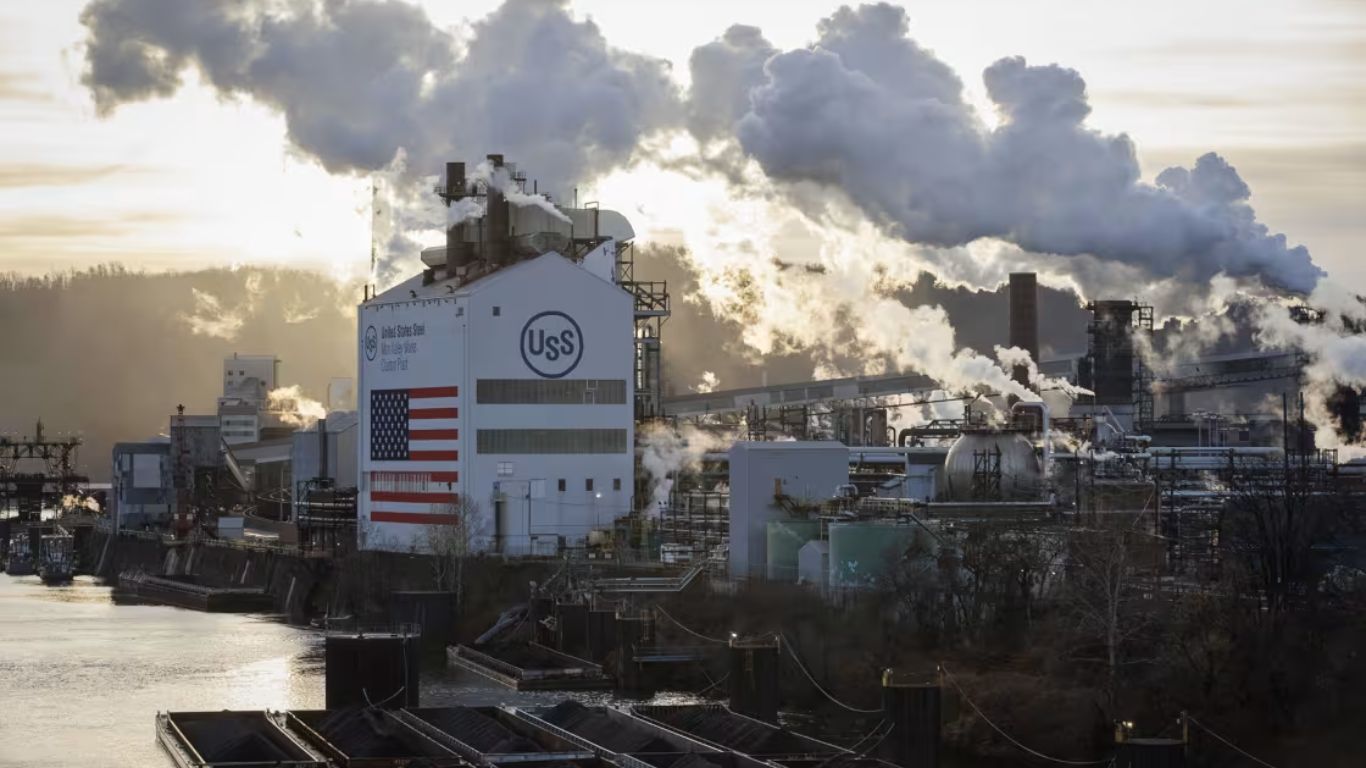
U.S. Steel, founded in 1901, has long been a cornerstone of the American industrial landscape.
Its steel has been used in iconic structures like the Willis Tower in Chicago and the United
Nations building in New York. Despite its legacy, the company has faced financial difficulties in recent years due to the changing dynamics of global metal markets. With the rise of competitors and a slow adoption of newer technologies, U.S. Steel found itself in a vulnerable position.
In 2023, Nippon Steel, the fourth-largest steel producer in the world, saw an opportunity to
expand its market share in the United States. Nippon’s bid to acquire U.S. Steel was an effort to tap into a growing demand for steel driven by massive federal infrastructure investments. However, the deal faced swift opposition from U.S. Steel’s workers, the powerful United Steelworkers union, and key political figures, as well as the President Biden and the President elect Donald Trump.
Why Did the United States block the Deal?
The move by the United States to block the deal is not just about protecting an iconic American company. It is also about national security. The Committee on Foreign Investment in the United States (CFIUS)
raised concerns that Nippon Steel, once in control of U.S. Steel, might cut production capacity
to prioritize its global interests, potentially leading to supply shortages in critical industries. This
posed a risk to American security, as the steel produced by U.S. Steel is essential for military
and infrastructure needs.
Additionally, the political implications of allowing a Japanese company to take over a company
as emblematic as U.S. Steel were too great. The company’s headquarters are in Pennsylvania,
a crucial state. The powerful union, which opposed the deal, feared that Nippon would not honor
commitments to workers’ pensions and jobs. It had earlier been indicated by government authorities that it was vital for U.S. Steel to remain an American company.
Trump and Biden: United in Opposition, but for Different Reasons
Interestingly, both Donald Trump and Joe Biden are aligned on this issue. Both men oppose the acquisition, and their reasons highlight the importance of this issue. For Biden, it’s about securing American jobs, protecting workers’ rights, and ensuring that vital industries stay under U.S. control. He has made it clear that U.S. Steel, a company with deep historical and cultural significance, should remain American-owned and operated.
Trump frames the issue as a matter of protecting American industry and preserving the
country’s industrial heritage. During his presidency, Trump famously enacted tariffs on foreign
steel imports to protect U.S. manufacturers from international competition. His opposition to
Nippon Steel’s bid is rooted in a desire to keep key sectors of the economy in American hands,
viewing foreign control as a threat to economic sovereignty.
It is apparent that both Biden and Trump recognize the importance of steel production to the
American economic and national security. This alignment shows how critical the issue of foreign
investment in sensitive industries has become, transcending party lines.
Implications of this move
The US’ decision to block the deal is a significant moment in the broader conversation about globalization, national security, and American industrial policy. It sends a clear message that the U.S. government is willing to exercise its executive power to protect American interests, especially in industries vital to the nation’s infrastructure and defense.
However, this decision may also have repercussions beyond just U.S. Steel. It could make foreign investors more cautious about acquiring American companies in politically sensitive sectors, particularly in swing states or even deter them from investing in industries deemed critical for the United States. This could slow the flow of foreign investment into the U.S. and lead to more scrutiny of foreign deals.
The move also raises questions about the future of U.S. Steel. The company has struggled financially and has been in talks with other potential buyers, including Cleveland-Cliffs, which previously made an offer. While the blocking of Nippon Steel’s acquisition may preserve U.S. Steel’s American roots, it also means that the company will need to navigate a difficult path forward, potentially facing layoffs and a shift in its operations.
For workers, the decision is bittersweet. While U.S. Steel’s employees were concerned about Nippon’s commitment to jobs and pensions, they now face uncertainty about the company’s long-term survival in an increasingly competitive global steel market.