The North Atlantic Treaty Organization (NATO), long a pillar of collective security in the Western world, is grappling with renewed internal tensions as U.S. President Donald Trump’s recent statements and actions reignite questions about American commitment to the alliance. At the heart of the controversy lies the ongoing conflict in Ukraine, a flashpoint that has tested the unity and resolve of NATO members since Russia’s full-scale invasion in 2022.
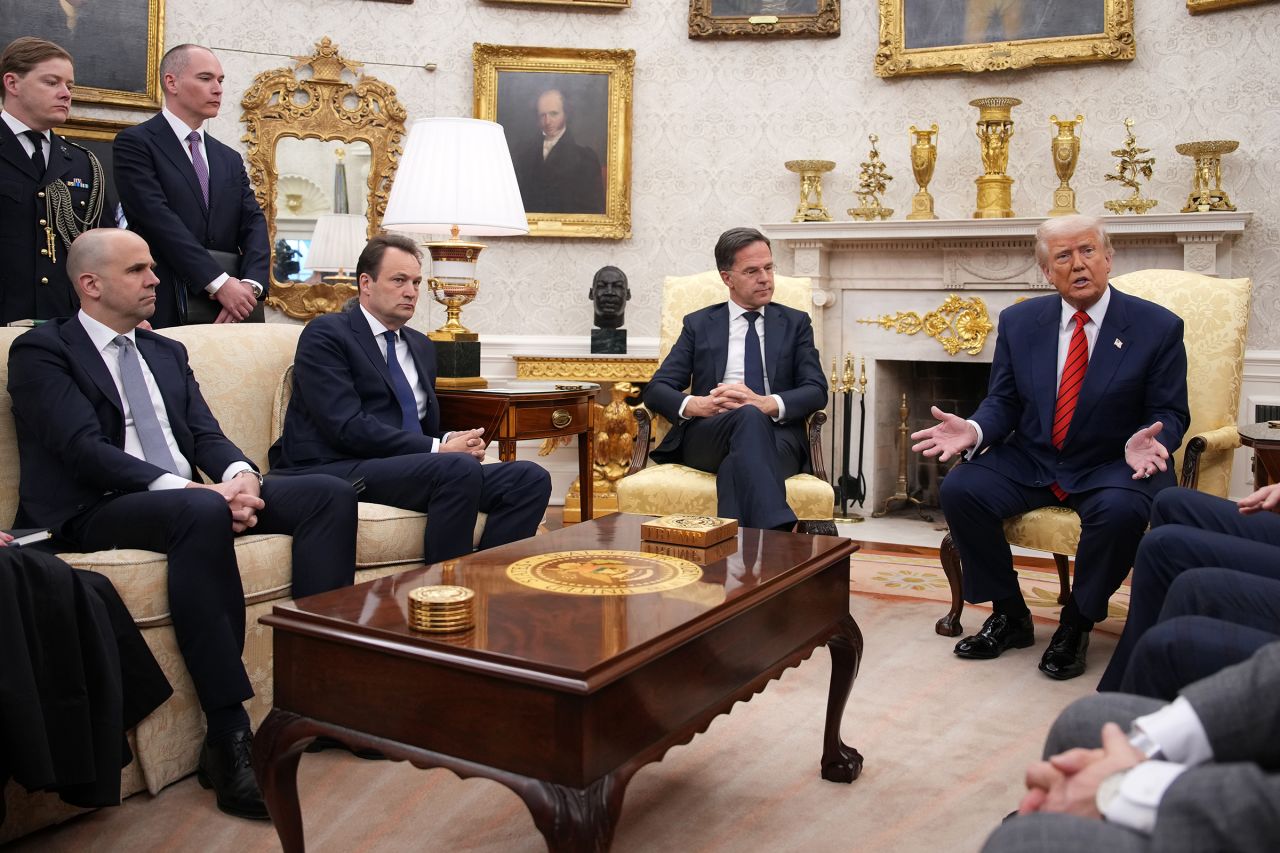
Not too long ago, in a campaign rally, Trump hinted that he might not defend certain NATO allies who “don’t pay their fair share” of defense spending. These remarks, echoing similar sentiments from his Presidential moves, have caused alarm in European capitals. Many leaders worry that the United States—historically the cornerstone of NATO’s military might- may look to abandon its obligations under Article 5, the mutual defense clause that underpins the alliance.
There are also implications for the U.S. foreign policy in the long run. Trump’s transactional view of international alliances marks a stark departure from decades of bipartisan consensus that saw NATO go up against the USSR bloc. However, since the fall of the Soviet Union slowly the Americans now believe the alliance is becoming redundant and a weight on its economy.
Trump’s direct rhetoric has also emboldened many populist leaders in Europe while simultaneously spurring others to pursue greater strategic autonomy. Countries like France have renewed calls for a stronger European defense posture, while Eastern European members, particularly those bordering Russia, express deep concern over the reliability of American security guarantees.
What Would a U.S. Withdrawal from NATO Mean for Europe?
If the United States were to distance itself significantly from NATO, the ripple effects across Europe would be substantial. First, European nations would likely face immense pressure to rapidly increase their own defense spending and military capabilities. This shift could strain national budgets already under pressure from economic challenges, including inflation and post-pandemic recovery.
Second, countries in Eastern Europe—such as Poland, the Baltic States, and Romania—would feel especially vulnerable. These nations rely heavily on U.S. military presence and deterrence to counterbalance Russian aggression. Without a credible American commitment, they may seek bilateral defense agreements or even nuclear deterrents, potentially fracturing the collective nature of European defense.
Third, a diminished U.S. role could accelerate the development of a European strategic identity, including expanded roles for the EU’s defense initiatives and stronger ties among Western European powers. However, this path is fraught with political and logistical challenges, as member states have differing threat perceptions, defense capabilities, and political will.
Geopolitically, a U.S. retreat from NATO would be seen as a victory for Moscow and a setback for democratic cohesion in the West. It would likely embolden adversaries—not just Russia, but also China and others —who could interpret the alliance’s disunity as an opportunity.
As NATO continues its now stuttering run the alliance faces critical questions. Can it remain cohesive in the face of diverging political winds in the U.S.? Will European members take on a greater share of the burden, both financially and militarily? And, perhaps most importantly, can NATO adapt to a world where American leadership is no longer guaranteed?
For now, uncertainty lingers. While the war in Ukraine has galvanized a combined sense of purpose among many NATO members, internal discord—exacerbated by shifts in U.S. foreign policy, threatens to fracture that unity. The coming months will be pivotal in determining whether NATO can navigate these challenges and continue to serve as a bulwark of transatlantic stability.