On May 26, 2025, German Chancellor Friedrich Merz announced that Western nations—including Germany, the United States, France, and the United Kingdom—have officially lifted all range restrictions on weapons supplied to Ukraine. This significant policy shift allows Kyiv to use long-range cruise missiles such as Storm Shadow and ATACMS to strike military targets deep within Russian territory—up to 300 kilometers (roughly 200 miles) away. Previously, Ukraine had been restricted from using these Western-supplied weapons to target sites beyond its own occupied territories, especially those in Russia, but now this move is bound to drastically change the terms of engagement.
Russia Reacts
Kremlin spokesman Dmitry Peskov condemned the move, calling it “highly dangerous” and claiming it undermines Moscow’s efforts to pursue a peaceful settlement. He warned that such actions would escalate the conflict and provoke a severe response from Russia. Moscow has long viewed Western military support as direct involvement in the war, and the lifting of these restrictions is seen by Russian officials as a green light for Ukraine to launch strikes on critical infrastructure and military facilities inside Russia.
“If such decisions have indeed been made, they are entirely at odds with our aspirations for a political resolution and with the efforts currently being made toward a settlement,” Peskov stated.
“Quite dangerous decisions, again – if they were indeed made,” he stressed.
Moscow has repeatedly warned Western countries against enabling Ukraine to carry out long-range strikes, arguing that this could make the military bloc a direct participant in the conflict, given that such attacks would require targeting data from NATO satellites – capabilities that Kiev does not possess.
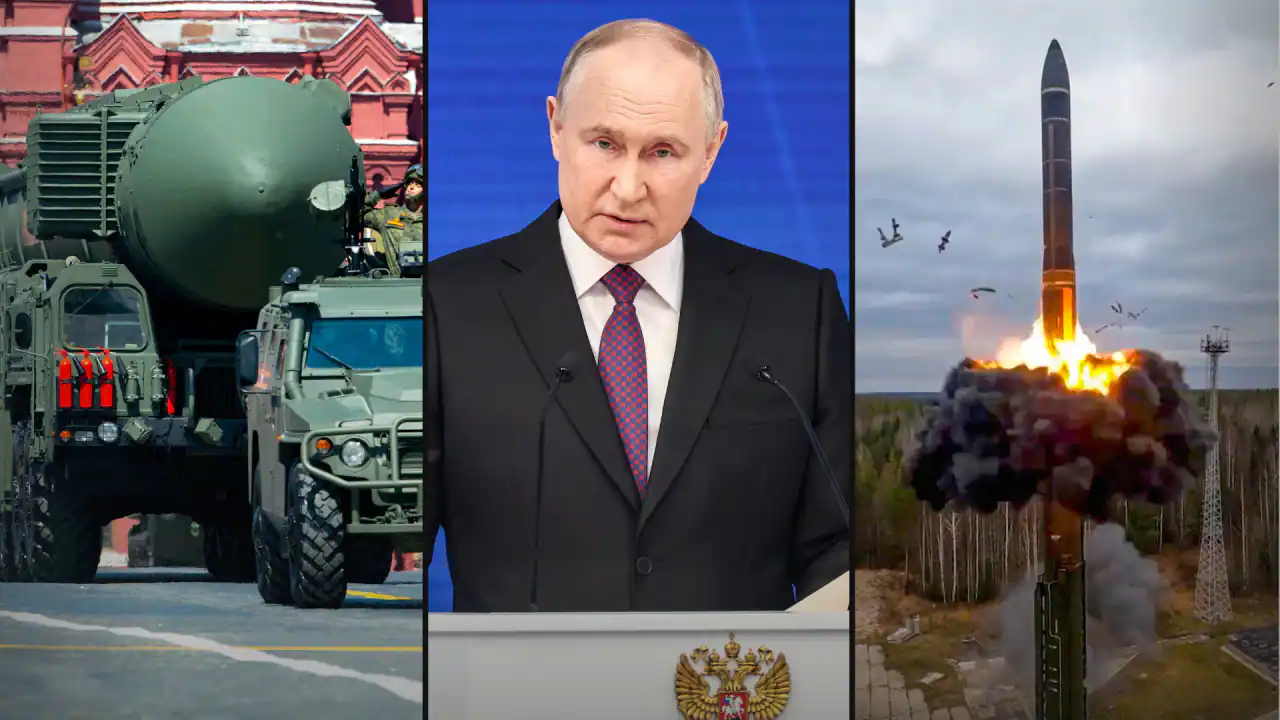
Moscow updated its nuclear doctrine last November following deliberations by Ukraine’s backers on whether to allow Kiev to use Western-supplied long-range missiles to strike targets deep inside Russia.
Russian President Vladimir Putin expanded the list of conditions that could trigger a nuclear response to include scenarios where aggression by a non-nuclear state or group of states supported by a nuclear state could be viewed as a “joint attack.”
Potential Impact on the War
Ukraine’s new ability to strike deeper into Russian territory could prompt more aggressive retaliatory measures from Moscow. Russia may respond with broader aerial or missile campaigns, potentially extending targets beyond front-line zones.
Although the move gives Ukraine the chance to degrade Russia’s supply chains, command centers, and logistical hubs far from the front lines. This could disrupt Russian offensives and slow down troop movements, especially as Russia prepares for a summer campaign.
The decision is bound to complicate peace efforts. Russia is unlikely to engage in negotiations while it perceives the West as expanding Ukraine’s military reach. These risks prolonging the conflict and reducing the likelihood of ceasefire agreements in the near future.
Strikes deeper into Russian territory—especially if they hit symbolic or civilian-sensitive sites—may widen the conflict. Russia could respond with cyberattacks, missile strikes beyond Ukraine, or more aggressive maneuvers in regions like Moldova or the Baltic states.
The decision will also put pressure on Western leaders as they know Russia’s stance on such attacks. It could trigger political debate in NATO countries about the risks of being drawn into a confrontation with Russia.
The lifting of long-range weapon restrictions marks a huge uptick in Western military support for Ukraine. While it offers Kyiv a stronger hand militarily, it also raises the stakes of the war and the risks of wider escalation. As Ukraine gains new capabilities, the conflict enters a more dangerous and unpredictable phase—one that could either push Russia to the negotiating table or trigger a new wave of retaliation.