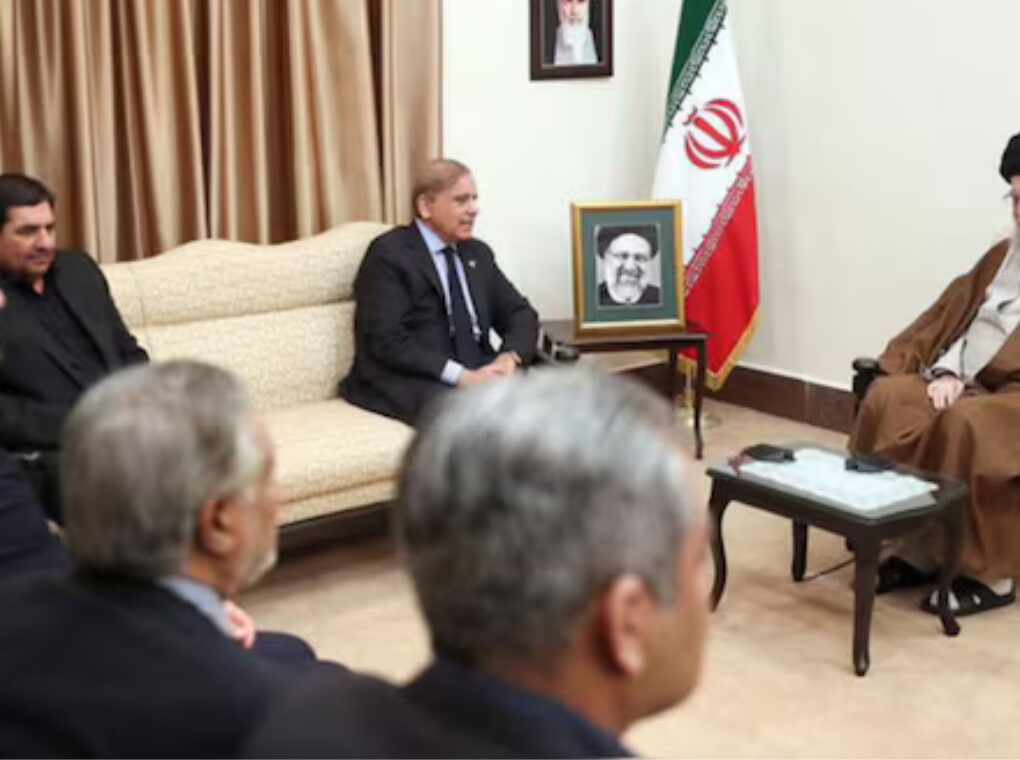
Pakistan’s supposed threat to unleash nuclear retaliation against Israel in case of a nuclear strike on Iran has been swiftly denied by its own government—but not before exposing glaring contradictions in Islamabad’s nuclear posturing.
The bold claim by Iranian IRGC General Mohsen Rezaei, broadcasted on Iranian state TV, asserted that Pakistan had assured Iran of nuclear retaliation against Israel if Tel Aviv deployed atomic weapons against Tehran. But within hours, Pakistan’s Defence Minister Khawaja Muhammad Asif categorically dismissed the assertion, reiterating that “no such assurance was ever given.”
“Our nuclear capability is strictly for our defence, not regional conflict or ideological crusades,” Asif stated in a public post on X.
Pakistan’s Nuclear Rhetoric vs. Strategic Reality
Despite projecting itself as a defender of the Islamic world, Pakistan’s nuclear program is anything but independent. The reality is that Islamabad’s nuclear assets operate under close scrutiny and indirect control by the United States, which has long ensured that Pakistan’s weapons do not become destabilizing tools in regional conflicts.
Pakistan, which receives significant military aid and strategic oversight from Washington, is not in a position to launch or threaten nuclear warfare without facing catastrophic diplomatic and economic consequences. U.S. satellite surveillance, military intelligence coordination, and strategic pressure have quietly but effectively kept Pakistan’s nuclear ambitions in check for decades.
“Pakistan may wave the nuclear flag to placate domestic audiences and allies like Iran, but it knows it cannot act without inviting crippling retaliation—if not from Israel, then certainly from the West,” said a senior former Indian diplomat.
Duplicitous Diplomacy: Playing Both Sides
This is not the first time Pakistan has tried to walk a double line—courting radical regimes and terror-linked networks while trying to appear like a responsible nuclear power before Western governments. While it has condemned Israeli actions in Gaza, Tehran, and Yemen, Pakistan has maintained diplomatic silence on Iran’s support for armed militias like Hezbollah and Hamas.
At home, Pakistan continues to provide safe havens to extremist elements, even as it lectures the world on “Islamic unity.” Now, it’s posturing as Iran’s nuclear backstop while relying on American-made F-16s and IMF bailouts to keep its own economy from collapse.
Strategic Irrelevance in a New Middle East Order
The latest episode only underscores Pakistan’s fading strategic relevance. In contrast, nations like India have emerged as central figures in shaping the regional security architecture. India, the world’s fourth-largest economy, is a Quad member with growing influence in the Indo-Pacific and Middle East, while Pakistan remains diplomatically isolated, with deteriorating ties with Gulf nations, Iran, and even China showing strategic fatigue.
Meanwhile, Pakistan’s economy teeters on the edge of bankruptcy, with inflation soaring and a fragile coalition government unable to implement reforms. Nuclear weapons, in this context, are reduced to symbolic sabre-rattling—a “prestige project” with no real strategic utility.
A Bluff Called Out
Iran’s nuclear claim may have aimed to pressure Israel, but it also revealed Pakistan’s geopolitical fragility. With Washington watching closely, any Pakistani move to escalate militarily would almost certainly trigger immediate consequences—from sanctions to global isolation.
In short, Pakistan’s nuclear arsenal is a locked box—guarded not just by Islamabad, but by Washington’s invisible leash.
Its recent denial, though diplomatically necessary, only confirms what the world already knows: Pakistan cannot act on its nuclear threats. And in the court of global credibility, its bluff has been called.