
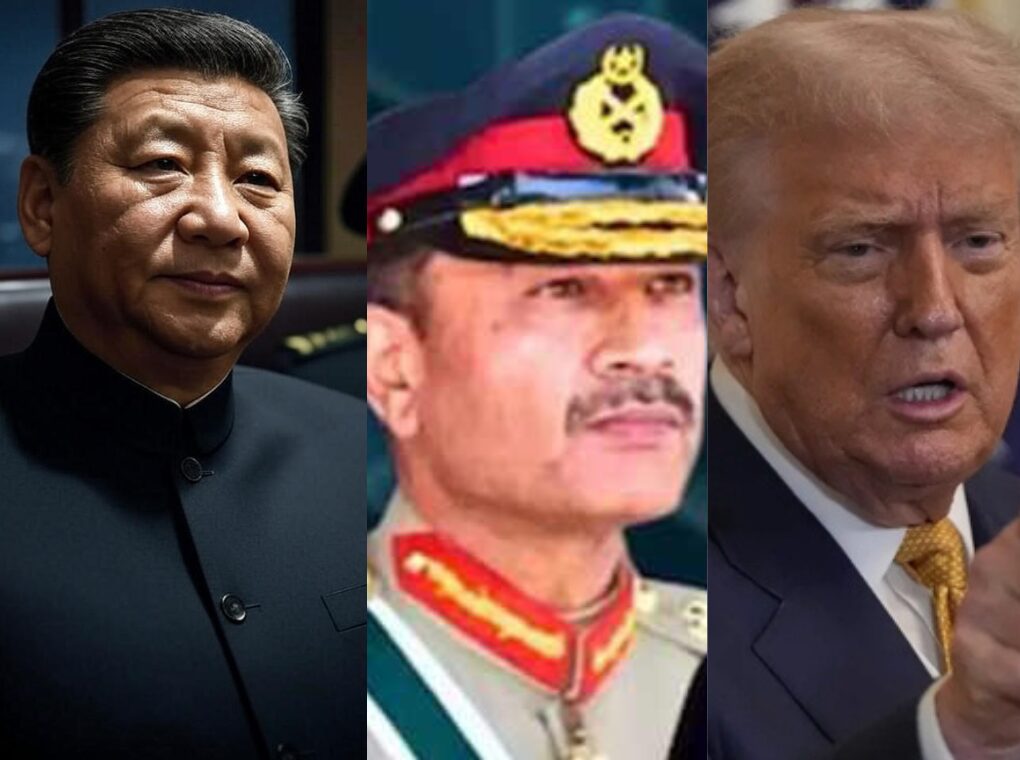
Balochistan, Pakistan’s largest yet most underdeveloped province, is becoming the latest chessboard in the global race for critical minerals — a contest that now pits the United States against China in a high-stakes geopolitical struggle.
Following decades of economic marginalization and political unrest, Balochistan has remained a hotbed of insurgency and discontent. Its people — the Baloch — have long accused Islamabad of exploiting their land without consent, reaping profits from vast natural wealth while leaving the local population in poverty.
Now, with Washington entering the scene, many fear that history is about to repeat itself — only this time with U.S. corporate and military interests replacing Chinese dominance.
From CPEC to a U.S. Mining Push
Chinese-backed projects under the China–Pakistan Economic Corridor (CPEC) promised infrastructure and prosperity but largely failed to deliver for Balochistan. Despite billions in investment, basic facilities remain absent, while resentment against foreign involvement has escalated into targeted attacks on Chinese personnel and assets.
Beijing’s experience has underscored a critical truth: in Balochistan, the main obstacle to resource extraction is political, not logistical. The Baloch insurgency’s armed resistance has repeatedly disrupted projects, forcing even the heavily protected CPEC to operate under constant threat.
Now, the United States is entering this volatile landscape. In early 2025, U.S. officials, led by senior diplomat Eric Meyer, met Pakistani leaders to discuss large-scale cooperation in the mineral sector.
The renewed push coincides with President Donald Trump’s return to the White House and his more transactional, hard-nosed foreign policy.
Trump has already met with Pakistan’s army chief, General Asim Munir, and announced deals framed around “oil development” — although analysts note Pakistan’s true value lies in critical minerals like copper, lithium, and rare earths.
Why Balochistan Matters in the Mineral Race?
Global demand for critical minerals is set to soar in the coming decades, especially for use in electric vehicle batteries, renewable energy systems, advanced electronics, and modern weapons systems. The U.S. military — the world’s largest consumer of such materials — views secure access to these minerals as a strategic necessity.
China currently dominates supply chains for many of these resources, controlling over two-thirds of global rare earth mining and nearly half of copper smelting capacity. In recent years, Beijing’s export restrictions have given it leverage in trade disputes, forcing Washington to scramble for alternative sources.
Balochistan holds some of the world’s richest deposits of copper, gold, and potentially lithium. The Reko Diq copper-gold mine alone is estimated to generate $74 billion in free cash flow over four decades once production begins, making it one of the most valuable untapped mineral projects in the world.
The Political Cost of Extraction
While Washington sees opportunity, Baloch nationalists see another round of plunder. Armed groups in the province have consistently opposed foreign investment that bypasses local consent, targeting Chinese projects and warning that U.S. ventures will meet the same fate.
Past mega-projects — from Saindak’s copper-gold mine to CPEC’s infrastructure plans — have failed to bring economic uplift to ordinary Baloch. Instead, they have brought increased militarization, displacement, and environmental degradation. The Pakistani state’s reliance on force to secure these projects has only deepened local grievances.
For the U.S., securing mining operations in Balochistan will almost certainly mean working closely with Pakistan’s powerful military. This could mirror earlier patterns of U.S.–Pakistan relations, where strategic cooperation was paired with tolerance for Islamabad’s undemocratic and heavy-handed internal policies.
Security and Sustainability Challenges
Beyond insurgency, other challenges loom. Mining in water-scarce regions like Balochistan demands enormous water inputs — up to 40% of local availability in some cases. With Pakistan already among the most water-stressed nations globally, large-scale mineral processing could trigger new environmental and social crises.
Moreover, Pakistan’s debt burden — standing at around $130 billion in 2024, with significant obligations to China — means Islamabad is desperate for foreign investment, even at the cost of long-term stability. This desperation risks prioritizing short-term revenue over sustainable development or local rights.
A Risky Bet in the New Cold War
The U.S. push into Balochistan is part of a broader strategy to counter Chinese influence in critical supply chains. For Pakistan’s leadership, it offers a chance to attract new investment and diversify geopolitical partnerships. But for Balochistan, the consequences may be grim: intensified militarization, renewed insurgent violence, and further marginalization of local voices.
If Washington repeats Beijing’s mistake — treating Balochistan as merely a resource frontier rather than a politically complex region with a long-standing demand for self-determination — it will likely inherit the same instability that has plagued Chinese projects.
The “new great game” over minerals may enrich foreign capitals and Pakistani elites, but without local consent and equitable benefit-sharing, it risks deepening a decades-old cycle of violence. In Balochistan, the ground may hold vast wealth but extracting it without justice could prove costlier than either Washington or Islamabad expects.