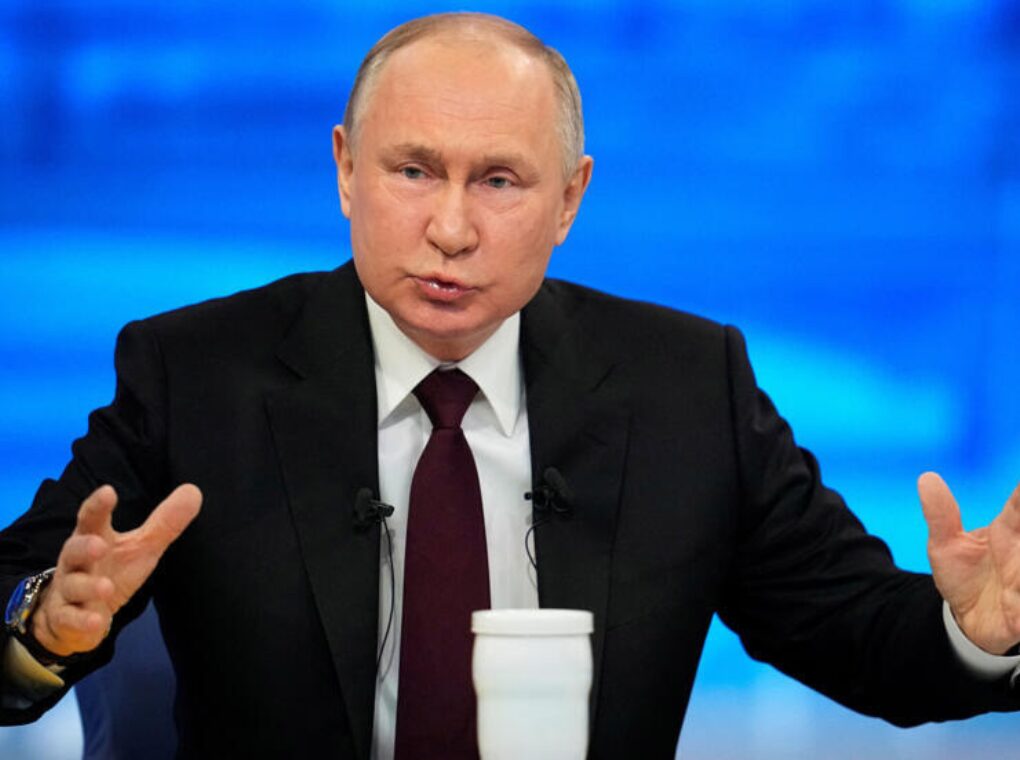
Russian President Vladimir Putin has sent strong signals regarding the country’s nuclear strategy, emphasizing that Russia is prepared to match the United States in an arms race if necessary.
Speaking at a summit in Tajikistan, Putin stressed that Moscow would not be concerned if the U.S. decided against extending the New START treaty, which is set to expire in February next year. This treaty has long served as a framework for limiting the number of strategic nuclear warheads and delivery systems deployed by both powers.
Putin described the possibility of the treaty lapsing without extension as unfortunate but not threatening to Russia’s capabilities. He noted that an arms race is already underway and that Russia continues to develop and test new-generation nuclear weapons.
The Russian president also cautioned that other nations may be contemplating nuclear tests, signaling that Moscow would respond in kind if such actions were undertaken. He further suggested that extending the treaty, even for a single year, would help maintain stability in global strategic deterrence.
The New START treaty, signed more than a decade ago, has been a cornerstone of nuclear arms control, capping the number of deployed warheads and delivery systems on both sides. Beyond numerical limits, it has included mechanisms for mutual inspections and information sharing to ensure transparency and build trust.
With the treaty nearing expiration, the framework that has restrained unchecked nuclear buildup is at risk, raising concerns about the potential resurgence of an arms race reminiscent of Cold War dynamics.
Putin’s remarks underscore that Russia remains willing to voluntarily adhere to the treaty’s limits if the United States reciprocates. However, the absence of a firm commitment from Washington leaves the future of arms control uncertain.
The Russian leader stressed that maintaining dialogue and extending the treaty would serve global strategic stability, while also highlighting Moscow’s readiness to continue developing its nuclear capabilities independently if necessary.
The implications of a potential lapse in the New START treaty are far-reaching. Without legally binding limitations on strategic weapons, both Russia and the U.S. could feel compelled to expand their arsenals, which in turn could prompt other nuclear-armed nations to accelerate their own weapons programs.
Countries like China, India, and Pakistan have been modernizing and expanding their nuclear capabilities, and the removal of existing arms control measures could heighten tensions and increase the risk of miscalculation or inadvertent escalation.
Global security experts warn that the erosion of arms control agreements could lead to a new phase of competitive nuclear development, with nations feeling less constrained by international frameworks. The geopolitical landscape may become more volatile, with the potential for localized conflicts to escalate rapidly if nuclear posturing intensifies.
The stakes are particularly high as new technologies emerge, including hypersonic delivery systems and advanced missile defense capabilities, which could further destabilize the balance of power.
In this context, sustained diplomatic engagement is essential. Preserving arms control frameworks or negotiating new agreements could help mitigate the risks posed by renewed nuclear competition. Confidence-building measures, transparency initiatives, and multilateral dialogue will be crucial to prevent misunderstandings and maintain strategic stability.
The international community faces a critical juncture: the decisions made in the coming months regarding treaty extensions or replacements will shape the trajectory of global nuclear security for years to come.
Ultimately, Putin’s statements highlight the delicate state of nuclear arms control today. While Russia projects confidence in its ability to match U.S. capabilities, the broader message is clear: the absence of robust arms control agreements could trigger a dangerous cycle of escalation. Ensuring that nations remain committed to dialogue, transparency, and restraint is vital to preventing a return to unchecked nuclear competition and safeguarding global security in an increasingly uncertain world.