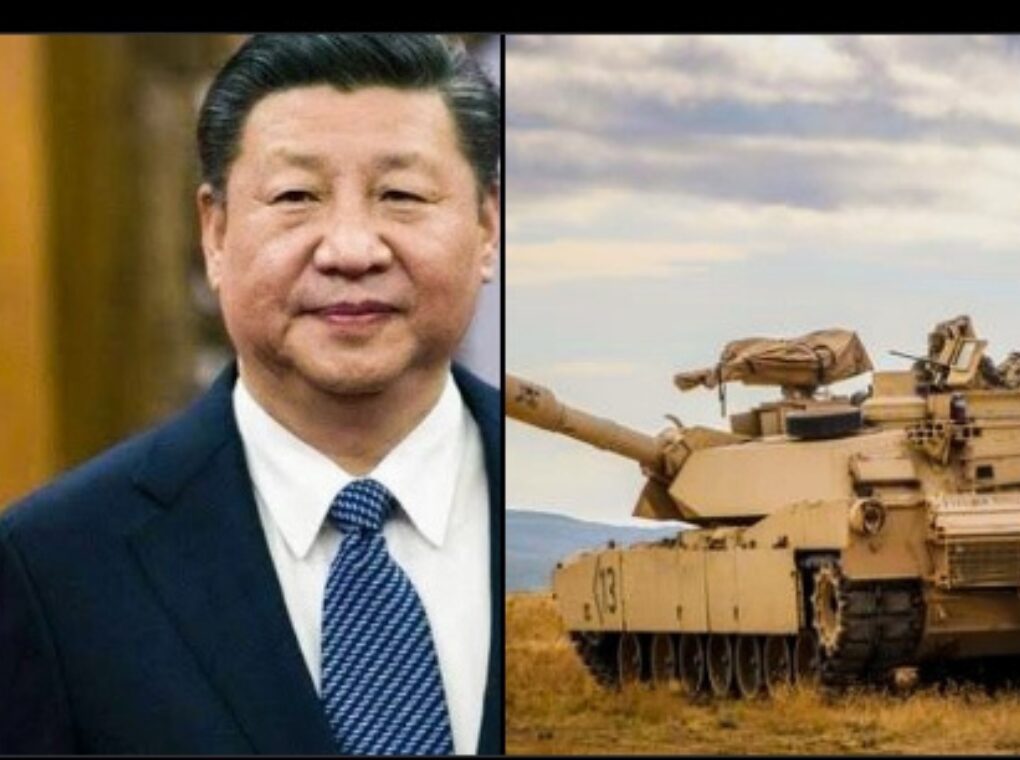
China is poised to tighten its grip on the global rare earth market with a new export control system that could choke off supplies to U.S. defense contractors while easing access for civilian industries. The move, coming just weeks after a fragile trade truce between Presidents Donald Trump and Xi Jinping, signals Beijing’s intent to wield its mineral dominance as a strategic weapon in the ongoing U.S.-China rivalry.
The proposed system would require exporters to prove their rare earth materials—critical for everything from fighter jets to electric car motors—are destined for non-military use. Companies linked to the U.S. defense sector could face outright bans or lengthy delays, while civilian firms might see faster approvals. This selective approach allows China to honor its recent commitment to loosen rare earth exports to the U.S. without surrendering leverage over its adversary’s military supply chains.
Rare earths, a group of 17 metals like neodymium and dysprosium, are the backbone of high-tech manufacturing. They power magnets in missile guidance systems, drone engines, and F-35 jets, as well as commercial products like wind turbines and smartphones. China controls over 90% of global processing and nearly 70% of mining, a monopoly built through decades of state-backed investment that sidelined Western competitors. The U.S., once a rare earth powerhouse, now relies heavily on Chinese imports, leaving its defense industry exposed.
A Strategic Squeeze
This new system refines China’s existing export controls, which already require licenses to prevent military proliferation. After the Trump-Xi summit in October, Beijing paused broader restrictions to stabilize trade ties, with the U.S. agreeing to hold off on tougher sanctions. But the latest plan reveals the limits of that détente: it boosts civilian exports to meet the letter of the agreement while targeting America’s military-industrial complex.
The U.S. defense sector is already on edge. Stockpiles of rare earths and related materials like gallium are dangerously low, with some firms down to mere months of supply. Even products with trace amounts of Chinese rare earths could be blocked, creating headaches for manufacturers serving both military and civilian markets, such as those producing aircraft for commercial airlines and defense contracts.
The ripple effects could be profound. Aerospace, automotive, and tech industries, which often share supply chains, may face higher costs or production delays. Investors are jittery, with U.S. rare earth companies seeing volatile trading as fears of supply disruptions clash with hopes for domestic growth.
U.S. Scrambling to Respond
Washington has been racing to reduce its dependence on China. Recent deals with Australia’s Lynas Rare Earths, the largest non-Chinese producer, aim to boost U.S. processing by 2027. Partnerships with Canada, Greenland, and India are also underway, but scaling up faces steep costs and environmental challenges. The Trump administration has pushed an “America First” approach, funneling funds into domestic mining and processing, but experts warn it could take years to close the gap.
China’s strategy has sparked debate over its long-term goals. Some see it as a calculated escalation, using economic leverage to weaken Western militaries without firing a shot. Others view it as a defensive move to protect Beijing’s interests amid growing U.S. efforts to curb Chinese tech and trade influence. Either way, the plan underscores China’s unmatched control over materials that power modern warfare and green technology.
Global Stakes Soar
As demand for rare earths surges—projected to triple by 2030 due to defense needs and clean energy—the U.S. faces tough choices. Retaliatory tariffs could reignite trade tensions, while accelerating diversification risks falling short in time. Allies like the EU, also reliant on Chinese supplies, are exploring their own alternatives, but no one has yet matched Beijing’s scale.
For now, China’s plan casts a long shadow over global markets and geopolitics. It’s a high-stakes chess move in a contest for technological and military supremacy, with the world’s most critical minerals at the center. As one observer put it, this is a battle over the raw materials that will define the future—fought not with weapons, but with supply chains.