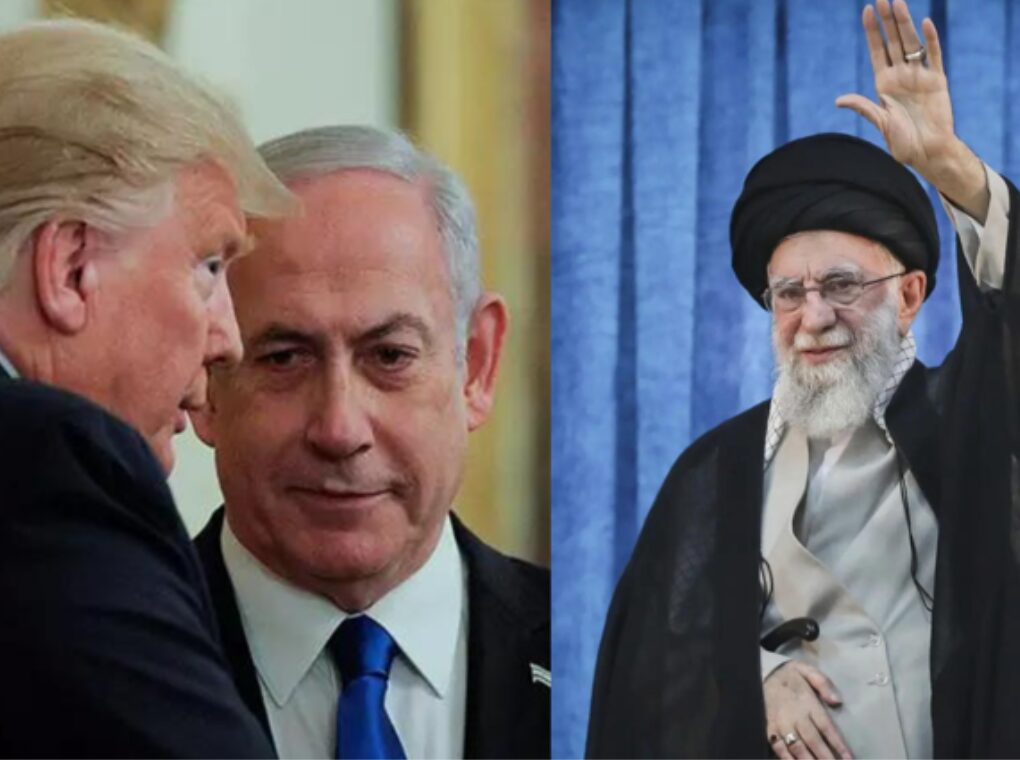
In a dramatic escalation of the long-standing conflict between Iran and the US-Israel alliance, Iran’s Supreme Leader Ayatollah Ali Khamenei has been killed in a targeted joint military operation, according to multiple Israeli officials cited by international news outlets, including Reuters, CNN, and the Associated Press.
A senior Israeli official told Reuters that Khamenei’s body was discovered under the rubble of his compound in Tehran following an airstrike on Saturday. Israeli sources confirmed the 86-year-old cleric’s death, describing it as a major success in the operation aimed at dismantling Iran’s top leadership.
Israeli Prime Minister Benjamin Netanyahu addressed the nation in a televised statement, declaring there were “many signs” and “growing signs” that Khamenei was “no longer alive” or “gone.” He added, “This morning we eliminated senior figures in the ayatollahs’ regime — commanders in the Revolutionary Guards and senior officials in the nuclear programme — and we will continue.” Netanyahu thanked US President Donald Trump for his “historic leadership” in the joint effort, framing the strikes as necessary to remove an “existential threat” posed by Iran’s regime.
President Trump, in remarks to NBC News and a video posted on Truth Social, endorsed the reports, stating he believed the account of Khamenei’s death was accurate. He described the operation as essential to defend the American people and eliminate imminent threats from what he called a “vicious” regime, while suggesting it could give Iranians an opportunity to topple their rulers.
The strikes, described as one of the most ambitious attacks on Iran in decades, targeted leadership infrastructure in Tehran and other locations. They followed previous tensions, including a 12-day air war in June 2025 during which Israel struck Iran’s underground nuclear facilities, killed senior commanders and nuclear scientists, and prompted threats against Khamenei himself.
Khamenei had served as Supreme Leader since 1989, succeeding Ayatollah Ruhollah Khomeini. Under his rule, Iran solidified its role as a regional power opposing US and Israeli influence, backing groups like Hezbollah, Hamas, and other proxies. His tenure saw the 2015 nuclear deal (later abandoned by the US under Trump), repeated crackdowns on domestic protests, and heightened confrontations amid setbacks for Iran’s allies—such as heavy losses for Hamas and Hezbollah, and the fall of Syrian President Bashar al-Assad in late 2024.
The Supreme Leader’s position holds ultimate authority over Iran’s government, military, and judiciary under the Islamic Republic’s constitution. The Assembly of Experts, a body of clerics, is responsible for selecting a successor, though the process could be complicated by ongoing conflict and internal instability.
Iran has yet to officially confirm Khamenei’s death. State-affiliated media outlets like Tasnim and Mehr reported that the Supreme Leader remained “steadfast and firm in commanding the field,” insisting he and other leaders were safe. Iran’s Foreign Ministry described the strikes as unprovoked and illegal, vowing retaliation. Tehran launched missiles toward Israel and US bases in the region in response.
Implications for the Region and Beyond
Khamenei’s reported death represents a potentially seismic blow to Iran’s theocratic system, already strained by economic woes, war losses, and internal dissent. Israel has long viewed him as a central figure in regional instability and threats to its security. The operation could accelerate regime change pressures inside Iran or spark further chaos.
As the situation develops rapidly, with conflicting claims from Iranian sources, the international community watches closely for confirmation and potential escalation. Flights across the Middle East have been disrupted, and regional allies are on high alert.
This is a developing story. Updates will follow as more information emerges from Tehran, Jerusalem, and Washington.