A fresh debate over nuclear deterrence is intensifying across Europe, exposing divisions within NATO as member states weigh the risks of hosting nuclear weapons amid rising tensions with Russia.
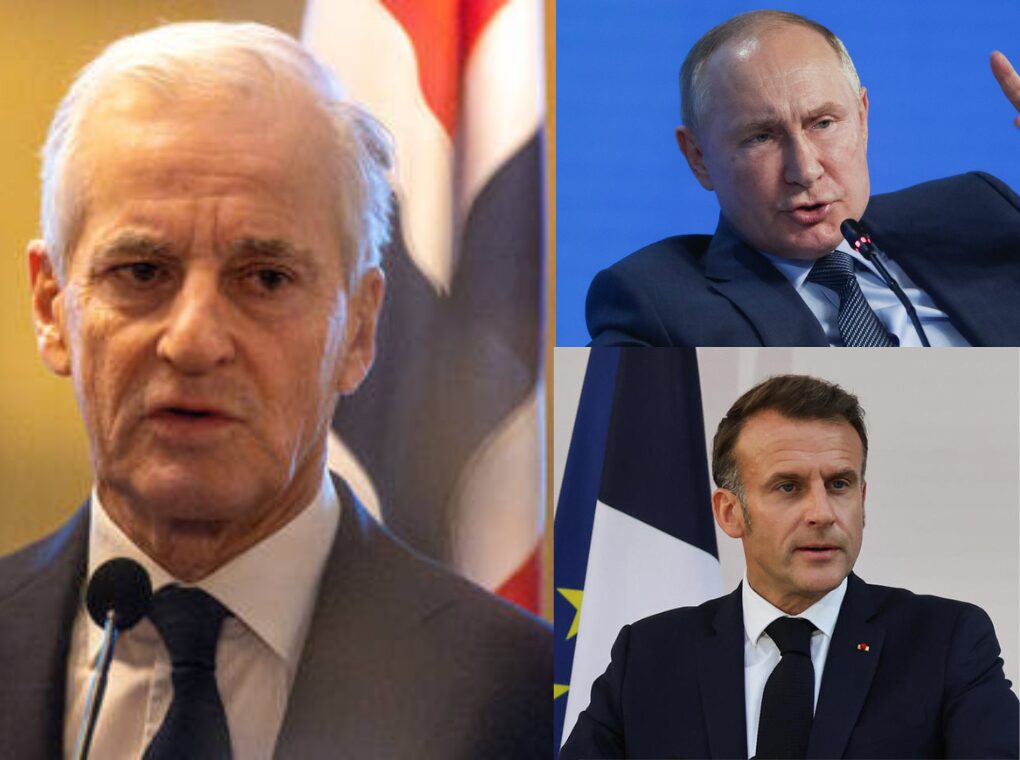
At the center of the latest developments is Norway, which has firmly reiterated its long-standing policy of not allowing nuclear weapons on its soil. Prime Minister Jonas Gahr Støre stated during a high-level press conference in Oslo that the country will not alter its legislation to permit nuclear deployment.
“We have a clear policy. There will be no stationing of nuclear weapons in Norway,” Støre said, emphasizing that Oslo continues to rely on NATO’s broader nuclear deterrence rather than hosting such weapons domestically.
Nordic Divide on Nuclear Policy
Norway’s stance contrasts sharply with signals from neighboring Nordic countries. Officials in Sweden and Denmark have indicated openness to potential nuclear deployments under NATO arrangements. Meanwhile, Finland — NATO’s newest member — has sparked particular concern in Moscow after announcing plans to amend its laws to remove barriers to hosting or transporting nuclear weapons.
Although Finnish leaders, including President Alexander Stubb, have downplayed the move, insisting there are no immediate plans to host nuclear arms, the legislative shift has been interpreted by Russia as a strategic escalation.
Kremlin spokesperson Dmitry Peskov warned that any deployment of nuclear weapons in Finland would be viewed as a direct threat. “If Finland threatens us, we will take appropriate measures,” he said, signaling potential retaliatory steps.
Russia Draws Red Lines
Russia has consistently maintained that it does not threaten European nations but has made it clear that any country hosting nuclear weapons aimed at Russian territory would become a target. The warning reflects growing anxiety in Moscow over NATO’s eastward expansion and the possibility of nuclear infrastructure moving closer to its borders.
Finland’s NATO accession in 2023 already strained relations, effectively reducing diplomatic engagement to near zero. With a 1,340-kilometer border shared between the two nations, any nuclear deployment scenario carries significant geopolitical risks.
Macron’s Nuclear Ambitions Stir Debate
Amid this evolving landscape, Emmanuel Macron has injected new momentum into Europe’s nuclear discourse. In a recent keynote address, the French president outlined a vision of “advanced nuclear deterrence,” proposing closer cooperation with European allies and even the possibility of deploying French nuclear-capable assets across NATO countries on a temporary basis.
France, one of the few nuclear-armed states in Europe, currently maintains an arsenal of roughly 300 warheads. Its deterrent relies on a dual system: submarine-launched ballistic missiles and air-launched cruise missiles carried by Rafale fighter jets.
However, analysts have raised questions about the scale and feasibility of Macron’s ambitions. France operates a limited number of delivery platforms — including four Triomphant-class submarines — and lacks the capacity for rapid expansion. Experts suggest that any near-term increase in its arsenal would likely be modest, potentially adding only a few dozen warheads.
Adding to the controversy, Macron also announced that France would no longer publicly disclose the exact size of its nuclear stockpile, citing strategic ambiguity. Critics argue that this move may fuel speculation rather than reduce it.
European Nuclear Shield or Strategic Overreach?
Macron’s broader vision includes positioning France as a central pillar of European security, particularly at a time when questions persist about the long-term reliability of the United States’ nuclear umbrella. His proposal hints at a more autonomous European deterrence framework, potentially extending French nuclear protection to other EU states.
However, the plan stops short of formal nuclear sharing arrangements like those led by the United States within NATO. Instead, France is focusing on joint exercises, infrastructure development, and the ability to rapidly deploy nuclear-capable aircraft to allied bases during crises.
Countries such as Germany, Poland, and the Netherlands have been identified as potential partners in these initiatives, though concrete commitments remain limited.
Rising Tensions, Uncertain Outcomes
The broader context of these developments is the collapse of key arms control agreements between the United States and Russia, which previously helped regulate nuclear arsenals and reduce risks of escalation. With those frameworks now weakened, Europe is entering a new phase of strategic uncertainty.
While Norway’s firm refusal to host nuclear weapons reflects a cautious approach, the openness shown by other NATO members highlights a growing divide within the alliance. At the same time, Russia’s increasingly sharp warnings underscore the high stakes involved.
As Europe navigates this پیچیده nuclear landscape, one thing is clear: the balance between deterrence and escalation is becoming harder to maintain — and the consequences of miscalculation could be profound.