The escalating conflict in the Middle East has taken a dramatic turn as Iran reportedly launched a series of coordinated missile and drone strikes targeting U.S. military infrastructure across the region. Among the most significant developments are claims of damage at the strategically vital Al Dhafra Air Base and multiple radar installations supporting American air defense systems.
Satellite Images Show Damage at Key U.S. Military Hub
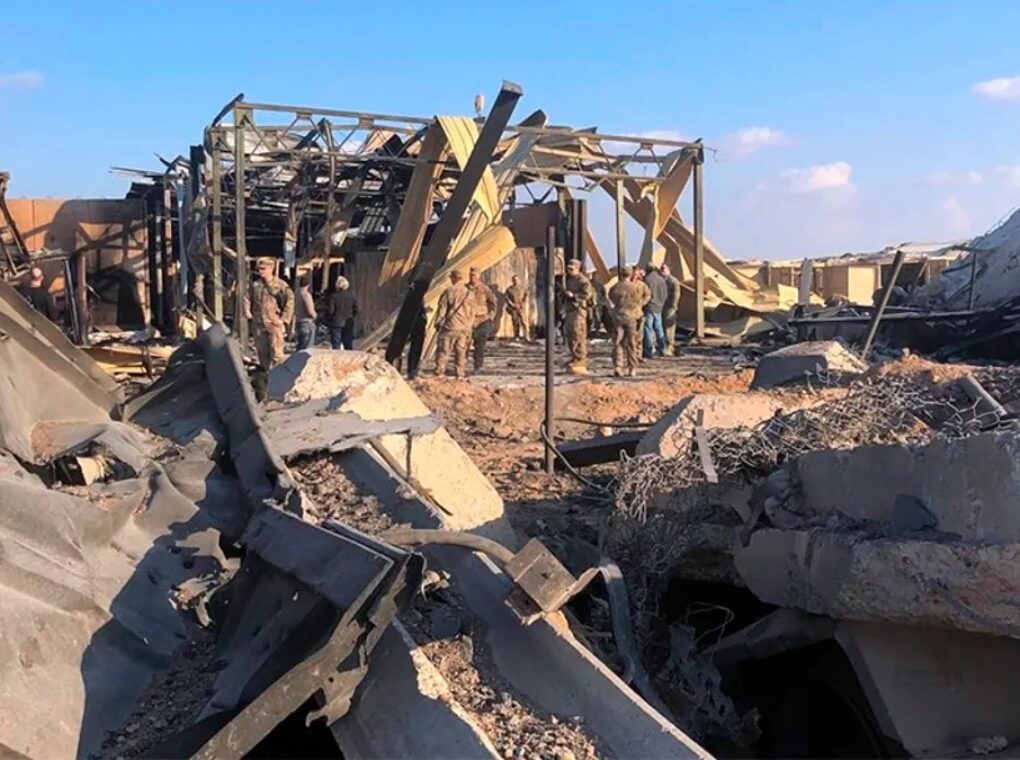
Commercial satellite imagery released by Airbus Defence and Space has revealed visible destruction at Al Dhafra Air Base, a critical hub for U.S. military operations in Southwest Asia. The images reportedly show at least one aircraft hangar severely damaged by fire, while another structure appears to have sustained heavy roof damage.
The base, located near Abu Dhabi, hosts approximately 2,000 U.S. personnel and supports a wide range of operations, including reconnaissance, drone missions, and fighter deployments. It has also been associated with advanced platforms such as the F-35 Lightning II, although there has been no official confirmation that any such aircraft were destroyed in the strikes.
Defense analysts suggest that the targeted areas appear to include maintenance zones, logistics facilities, and aircraft storage sections—critical components that sustain ongoing air operations. Damage to these areas could disrupt mission readiness even without direct losses of high-value aircraft.
Iran’s Coordinated Strike Strategy
The attacks are believed to have been carried out by Iran’s elite military force, the Islamic Revolutionary Guard Corps (IRGC), as part of a broader retaliatory campaign amid rising tensions with the United States and its allies, including Israel.
Reports indicate that Iran employed a mix of ballistic missiles, cruise missiles, and unmanned aerial vehicles in a saturation-style attack designed to overwhelm air defense systems. While U.S. and allied defenses reportedly intercepted a significant number of incoming threats, some projectiles are believed to have penetrated defenses, causing structural damage and fires.
Iranian officials have claimed that the strikes successfully hit operational and logistical targets, asserting that they have degraded U.S. military capabilities in the region. However, these claims have not been independently verified by U.S. authorities.
U.S. Radar Installations Also Targeted
In a parallel development, multiple reports suggest that Iran targeted at least ten U.S. radar installations across the Middle East. These systems are integral to early warning and missile interception networks supporting platforms such as the Patriot missile system and the THAAD.
Radar sites in countries including the UAE, Saudi Arabia, Qatar, Jordan, Bahrain, and Kuwait were reportedly struck. Some of these installations house high-value assets such as the AN/TPY-2 and AN/FPS-132 radar systems, which are essential for tracking ballistic missile threats.
Satellite imagery and open-source intelligence analyses suggest that certain facilities may have sustained physical damage, including impacts on radomes, communication arrays, and support infrastructure. However, the extent to which these strikes have affected operational capability remains unclear.
Strategic and Regional Implications
The reported attacks highlight potential vulnerabilities in forward-deployed U.S. forces, particularly in the face of coordinated, high-volume missile and drone assaults. Even limited damage to radar systems could complicate early warning and interception efforts, potentially reducing the effectiveness of layered air defense networks.
Al Dhafra’s importance as a logistics and operational hub means that any disruption there could have ripple effects on U.S. military activities across the Gulf region. At the same time, the targeting of infrastructure rather than personnel suggests a calculated attempt to degrade capabilities while avoiding immediate large-scale escalation.
The situation also raises concerns for regional allies hosting U.S. military assets, as they could face increased risk of becoming direct targets in the ongoing conflict.
Uncertainty Remains
Despite the dramatic claims and emerging imagery, key details remain unconfirmed. The U.S. Department of Defense has not officially acknowledged significant losses at Al Dhafra, and there is no verified evidence confirming the destruction of advanced aircraft such as F-35 fighters.
As the conflict continues to evolve, analysts caution that both physical damage and information warfare are shaping perceptions of the battlefield. Satellite imagery provides valuable insights, but a complete picture of the strikes’ impact will likely take time to emerge.
Iran’s reported strikes on U.S. military assets mark a significant escalation in an already volatile region. Whether these attacks represent a temporary spike in hostilities or the beginning of a broader confrontation remains uncertain. What is clear, however, is that the balance of power—and the nature of modern warfare in the Middle East—is being tested in real time.