In a dramatic escalation of rhetoric amid ongoing tensions in the Middle East, Donald Trump has claimed that the United States could soon “jointly control” the strategically vital Strait of Hormuz alongside Iran’s supreme leadership. However, Tehran has categorically denied that any such discussions are taking place, further deepening uncertainty in an already volatile geopolitical landscape.
Trump Signals Possible Breakthrough — Iran Pushes Back
Speaking to reporters, Trump suggested that diplomatic progress could lead to the reopening of the Strait of Hormuz, a critical maritime route through which nearly 20% of global oil supply passes. He stated that the waterway could be “open very soon” if talks with Iran yield positive results.
In a controversial remark, Trump added that control of the passage could be “jointly handled” by him and “whoever the next Ayatollah is,” a comment widely interpreted as referring to Iran’s newly declared Supreme Leader, Mojtaba Khamenei.
However, Iran’s Foreign Ministry swiftly dismissed Trump’s assertions. Officials insisted that no direct or indirect negotiations with Washington have taken place, contradicting the US president’s claims of “productive conversations.”
A source cited by Iranian media mocked Trump’s remarks, urging him to focus instead on “oil prices and stock markets,” signaling Tehran’s continued resistance to US pressure.
Strait of Hormuz: A Global Flashpoint
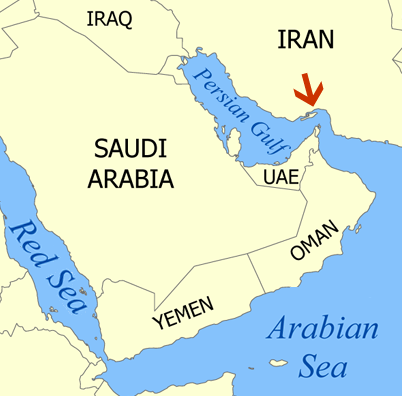
The Strait of Hormuz remains one of the world’s most critical energy chokepoints. Located between Iran and Oman, it serves as the main transit route for oil exports from Gulf producers to global markets.
Since late February, Iran has imposed restrictions on vessels linked to the US and Israel, following a wave of military strikes carried out by the US and Israel targeting Iranian infrastructure.
This partial closure has already triggered significant disruptions in global oil supply chains, raising fears of a prolonged energy crisis.
War Escalation and Mounting Casualties
The current conflict began on February 28, when US and Israeli forces launched coordinated strikes on Iranian targets, including areas in Tehran. According to Iran’s Health Ministry, the attacks have resulted in over 1,400 deaths and more than 18,000 injuries, highlighting the severe humanitarian toll.
In response, Iran has issued threats against energy infrastructure across the Gulf, publishing a list of potential targets. The standoff has brought the region dangerously close to a broader war.
Meanwhile, Israel has intensified its military operations in southern Lebanon, targeting positions held by Hezbollah. Israeli forces have reportedly destroyed key bridges over the Litani River, a strategic location in the ongoing conflict.
Market Reactions: Oil Prices Swing
Global markets reacted sharply to Trump’s remarks and the prospect of de-escalation. European stock markets, which had suffered losses amid escalating tensions, showed signs of recovery following his announcement.
At the same time, crude oil prices dropped by nearly 10%, reflecting investor optimism that the Strait of Hormuz could soon reopen. However, analysts warn that the situation remains highly unpredictable, with conflicting narratives from Washington and Tehran.
Regime Change Remarks Add Fuel
Adding to the controversy, Trump hinted at a “very serious form of regime change” within Iran, a statement likely to provoke strong backlash from Tehran and further complicate diplomatic efforts.
Experts caution that such rhetoric could undermine any potential negotiations and escalate tensions further, especially given Iran’s firm stance against external interference in its political system.
Uncertain Path Ahead
With both sides presenting conflicting accounts, the future of the Strait of Hormuz — and by extension, global energy stability — remains uncertain. While Trump’s comments suggest a possible diplomatic opening, Iran’s outright denial underscores the deep mistrust between the two nations.
As the conflict enters its fourth week, the international community is closely watching developments, aware that any escalation could have far-reaching consequences for global security and the economy.